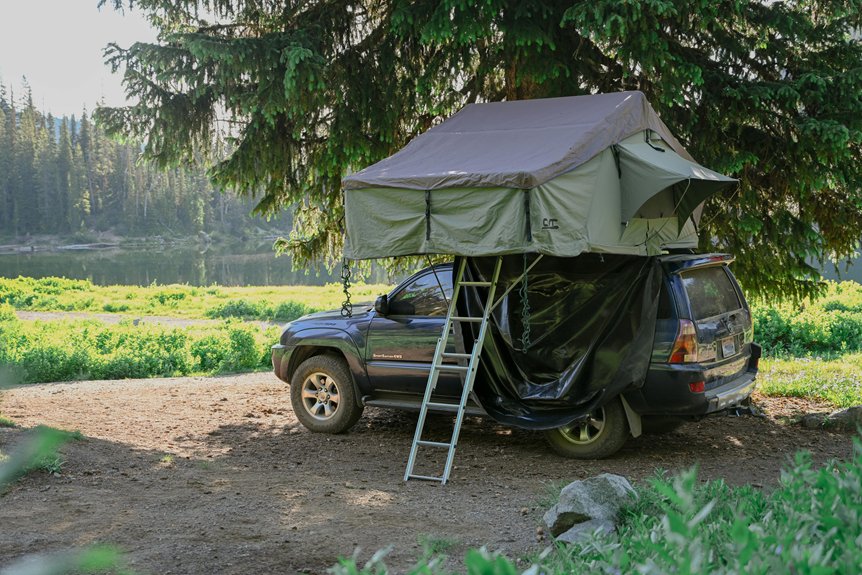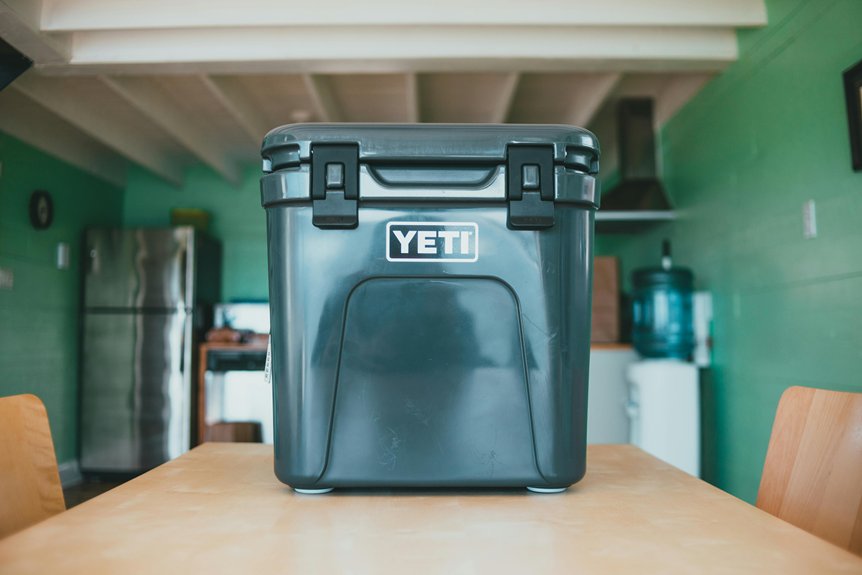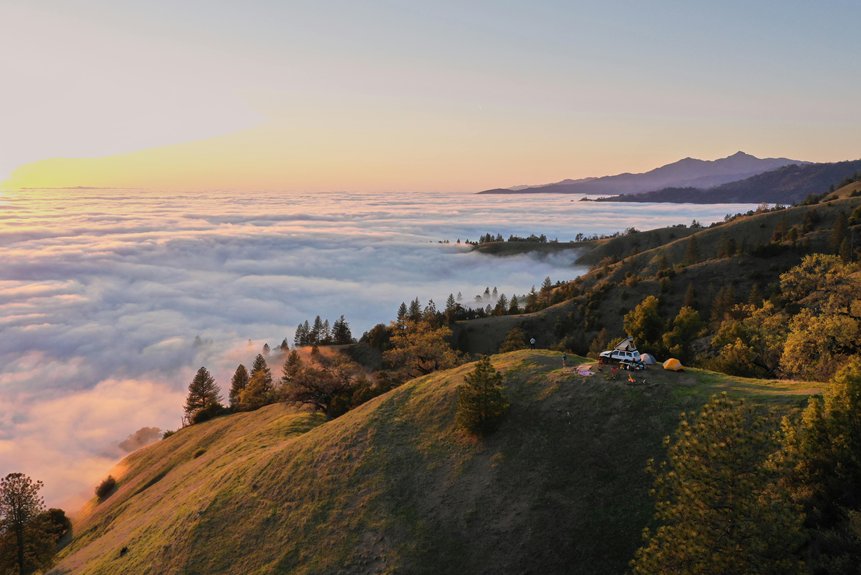
Dispersed camping lets you escape the crowds and immerse yourself in nature, far from established campgrounds. You’ll find yourself surrounded by stunning landscapes, but it comes with responsibilities. Without amenities, you’ll need to prepare carefully and adhere to specific regulations. This experience not only offers tranquility but also a chance to connect more deeply with the wild. Curious about how to make the most of your adventure?
Understanding Dispersed Camping
When you venture into the great outdoors, understanding dispersed camping can elevate your experience to a whole new level. This camping style allows you to set up camp outside designated campgrounds, giving you the freedom to explore remote areas while enjoying nature’s tranquility.
You’ll find spots along forest roads, in national forests, or on Bureau of Land Management land. With no established amenities, you’ll need to pack in everything you require, from food to water, and practice Leave No Trace principles.
Familiarizing yourself with local regulations is essential, as some areas have specific rules regarding dispersed camping. Ultimately, embracing this primitive style of camping fosters a deeper connection with nature while providing an adventurous escape from the hustle and bustle of everyday life.
Benefits of Dispersed Camping
Dispersed camping offers a wealth of benefits that can enhance your outdoor adventure.
First, you’ll enjoy solitude and tranquility, away from crowded campgrounds. This peace allows you to fully immerse yourself in nature, whether you’re hiking, fishing, or simply relaxing under the stars.
Second, you can often camp for free, which makes it a budget-friendly option for travelers. You’ll have the freedom to choose your own campsite, giving you the chance to discover hidden gems without the constraints of established sites.
Additionally, dispersed camping encourages you to practice Leave No Trace principles, fostering a strong connection to the environment.
Ultimately, it’s a chance to escape the hustle and bustle and create unforgettable memories in the great outdoors.
Popular Locations for Dispersed Camping
Where can you find the best spots for dispersed camping? National forests and Bureau of Land Management (BLM) areas are prime locations.
Places like the Sierra National Forest in California offer stunning views and various terrains, while the Apache-Sitgreaves National Forest in Arizona provides a serene escape among tall pines.
If you’re in the Rockies, check out the Routt National Forest in Colorado, where you can enjoy wildflower-filled meadows and crystal-clear streams.
The vast landscapes of Utah’s BLM lands, like those around Moab, are perfect for adventure seekers.
Don’t forget the beautiful forests in Washington State, such as the Olympic National Forest, where you can immerse yourself in lush greenery.
Just remember to respect the land as you explore!
Essential Gear for Dispersed Camping
Exploring the great outdoors is exhilarating, but having the right gear can make or break your dispersed camping experience.
Start with a sturdy tent that suits the terrain and weather conditions. A quality sleeping bag and sleeping pad will guarantee a good night’s sleep.
Don’t forget a portable stove or a camping grill for cooking meals; lightweight cookware is essential too. Pack a reliable water filtration system to stay hydrated, and bring along a first-aid kit for emergencies.
A multi-tool can serve various purposes, while a headlamp or flashlight will light your way at night.
Finally, consider packing insect repellent and sunscreen to keep yourself comfortable. With the right gear, you’re set for an unforgettable adventure in nature!
Leave No Trace Principles
When you venture into the wilderness, keeping it pristine for future visitors is essential. Embracing the Leave No Trace principles helps you achieve that goal.
First, plan ahead to minimize your impact and choose durable surfaces for camping. Always pack out what you pack in, including trash and food scraps.
Be mindful of campfires; use established fire rings or opt for a portable stove instead. Respect wildlife by observing from a distance and never feeding them.
Stay on trails to protect fragile vegetation, and if you need to go off-trail, disperse your activities over a wide area.
Finally, leave natural and cultural features undisturbed. By following these principles, you’ll guarantee that nature remains beautiful for generations to come.
Safety Considerations
While enjoying the freedom of dispersed camping, it’s important to keep safety at the forefront of your mind. Always let someone know your plans and expected return time. Familiarize yourself with the area, including potential hazards like wildlife or difficult terrain.
Bring a first-aid kit, and know basic first-aid procedures. When setting up camp, choose a spot away from hazards like dead trees or flooding areas. Keep food stored properly to avoid attracting animals.
Always have a reliable map or GPS to navigate, and consider the weather forecast before heading out. Finally, pack sufficient water and stay hydrated.
Navigating Local Regulations
Before you head out into the wilderness, understanding local regulations is essential to ensuring a smooth and responsible dispersed camping experience. Each area has specific rules about where you can camp, how long you can stay, and what activities are permitted.
Check with local forest service offices or websites for detailed information. You’ll want to know about fire restrictions, waste disposal requirements, and any seasonal closures. Some regions may have designated camping zones, while others allow more freedom.
Familiarize yourself with Leave No Trace principles to minimize your impact. Respecting these regulations not only protects the environment but also helps maintain access for future campers.
Being informed keeps you safe and enhances your overall outdoor adventure.
Tips for a Successful Dispersed Camping Experience
Understanding local regulations sets the foundation for a great dispersed camping trip, but there are several practical tips to guarantee your experience is enjoyable and safe.
First, choose your campsite wisely—look for flat ground away from water sources to minimize impact. Always pack out what you pack in; this keeps the environment pristine.
Bring a reliable map or GPS, as cell service can be spotty. Prepare for changing weather conditions by layering your clothing and having waterproof gear. A well-stocked first-aid kit is essential, just in case.
Finally, keep a respectful distance from wildlife and practice Leave No Trace principles. By following these tips, you’ll guarantee your dispersed camping adventure is both memorable and responsible.
Connecting With Nature Through Dispersed Camping
When you immerse yourself in dispersed camping, you open the door to a deeper connection with nature that can be both rejuvenating and transformative.
You’ll find yourself surrounded by untouched landscapes, where the only sounds are the rustling leaves and chirping birds. This solitude allows you to truly listen to the world around you, fostering mindfulness and appreciation for the environment.
As you set up camp away from crowds, you’ll discover the magic of starry nights, the warmth of a crackling campfire, and the thrill of exploring hidden trails.
Each moment spent in this serene setting enhances your bond with nature, reminding you of life’s simple joys and the importance of preserving these wild spaces for future generations.