Have you ever wondered how some campers seem to effortlessly enjoy the great outdoors while others struggle through the night? The key to a more comfortable tent camping experience lies in thoughtful preparation and the right gear. By making a few simple upgrades, you can transform your camping trips into cozy retreats that feel less like a struggle and more like a getaway. Let’s explore some practical ways to enhance your outdoor experience.
Choose the Right Tent Size
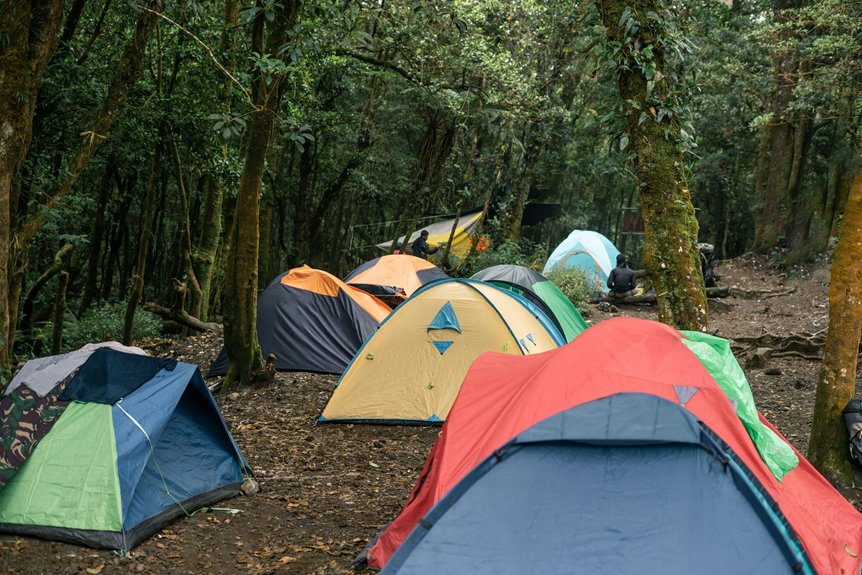
Choosing the right tent size can make all the difference in your camping experience. When selecting a tent, consider how many people will be sharing the space. If you’re camping with friends or family, make certain everyone has enough room to sleep comfortably.
Tents usually come with a suggested capacity, but you might want to go larger for extra gear or added space to move around. Think about your activities too; if you plan to spend a lot of time inside during bad weather, a larger tent can provide a cozy refuge.
Finally, consider the weight and packability if you’re hiking to your campsite. A well-sized tent will enhance your comfort and enjoyment in the great outdoors.
Invest in a Quality Sleeping Pad
Once you’ve found the perfect tent size, the next step is to think about how you’ll sleep comfortably. Investing in a quality sleeping pad can make a world of difference. A good sleeping pad cushions your body from the hard ground, providing insulation and support.
Look for one that balances comfort and portability; self-inflating options offer convenience, while air pads are lightweight and packable.
Consider the thickness and R-value, which indicates insulation level. Thicker pads generally offer more comfort, while higher R-values keep you warmer.
Don’t forget to check the size to guarantee it fits your tent. By prioritizing a quality sleeping pad, you’ll enhance your camping experience, allowing you to wake up refreshed and ready for outdoor adventures.
Use a Warm Sleeping Bag
While a quality sleeping pad lays the foundation for a good night’s sleep, a warm sleeping bag is equally essential for staying cozy during chilly nights in the great outdoors.
When choosing your sleeping bag, consider the temperature rating to guarantee it suits the conditions you’ll face. A bag with down insulation offers excellent warmth-to-weight efficiency, while synthetic options are more affordable and still provide good insulation even when wet.
Don’t forget to check the fit; a snugger bag retains heat better than a roomy one. Finally, features like draft collars and hoods can enhance warmth by preventing cold air from sneaking in.
With the right sleeping bag, you’ll wake up refreshed and ready for your outdoor adventures.
Bring Extra Blankets for Insulation
Even with a high-quality sleeping bag, nights in the wilderness can still get cold, so bringing extra blankets can make a significant difference in your comfort.
Layering extra blankets not only adds warmth but also provides versatility for different weather conditions. You can use lightweight fleece or wool blankets that pack easily; they’re great for extra insulation.
Consider using one as a cozy throw while sitting around the campfire, too. If you’re in a group, sharing blankets can create a warm, communal atmosphere.
Plus, if temperatures unexpectedly drop, having those extra layers can help you stay snug throughout the night.
Don’t underestimate the power of a little extra insulation; it can transform your camping experience into a more enjoyable adventure.
Elevate Your Sleeping Area
Elevating your sleeping area can dramatically enhance your camping comfort. Consider using a portable cot or air mattress to keep you off the cold, hard ground. This simple upgrade not only provides better insulation but also helps you avoid moisture that can seep up from the ground during chilly nights.
If you’re looking for a DIY option, stack sleeping pads or create a platform using lightweight pallets. Additionally, raising your sleeping area can help you stay away from insects and small critters that wander into your tent.
Don’t forget to secure your setup to prevent any slips or falls. By taking these steps, you’ll enjoy a more restful night’s sleep and wake up refreshed for your outdoor adventures.
Create a Comfortable Sleeping Setup
To guarantee a great night’s sleep while camping, it’s essential to create a comfortable sleeping setup tailored to your preferences.
Start with a high-quality sleeping pad or air mattress for cushioning and insulation from the ground. Consider using a sleeping bag rated for the season to keep you warm, and don’t forget a fitted sheet for added comfort.
If you prefer elevation, a camping cot can provide extra support. Experiment with different arrangements to find what feels best for you, whether that’s snuggling up in a cocoon or spreading out for more room.
Finally, block out light and noise by using a sleep mask and earplugs, ensuring you wake up refreshed and ready for your outdoor adventures.
Pack Your Favorite Pillows
Packing your favorite pillows can greatly enhance your camping experience, turning a good night’s sleep into a great one. Instead of settling for thin, uncomfortable alternatives, bring along pillows that cater to your sleep habits.
Whether you prefer a firm support or something softer, your familiar pillow can help you feel more at home in the great outdoors.
Consider the weight and size of your pillow; inflatable options are lightweight and packable, while compressible models offer comfort without taking up too much space.
Just remember to protect them from moisture by using a waterproof stuff sack. With the right pillow, you’ll wake up refreshed and ready to tackle the day’s adventures, making your camping trip much more enjoyable.
Manage Temperature With Ventilation
Managing temperature in your tent is essential for a comfortable camping experience, and proper ventilation plays a key role in that. To keep the air circulating, open vents and windows when possible, allowing fresh air to flow in while letting hot air escape.
If the weather’s chilly, partially close the vents to trap warmth but still maintain airflow. Consider using a tent with a rainfly that allows for airflow while protecting you from rain.
You can also create cross-ventilation by positioning your tent wisely—set it up to catch any breeze. Remember, a well-ventilated tent reduces condensation, making your space more pleasant.
With these simple adjustments, you’ll enjoy a more comfortable camping atmosphere, regardless of the weather.
Set Up a Cozy Outdoor Living Space
Creating a cozy outdoor living space can greatly enhance your camping experience, especially after a long day of hiking or exploring.
Start by choosing a flat, dry area for your setup. Lay down a durable outdoor rug or tarp to define the space and add comfort. Bring along portable chairs or cushions for seating, and consider a small table for games or evening snacks.
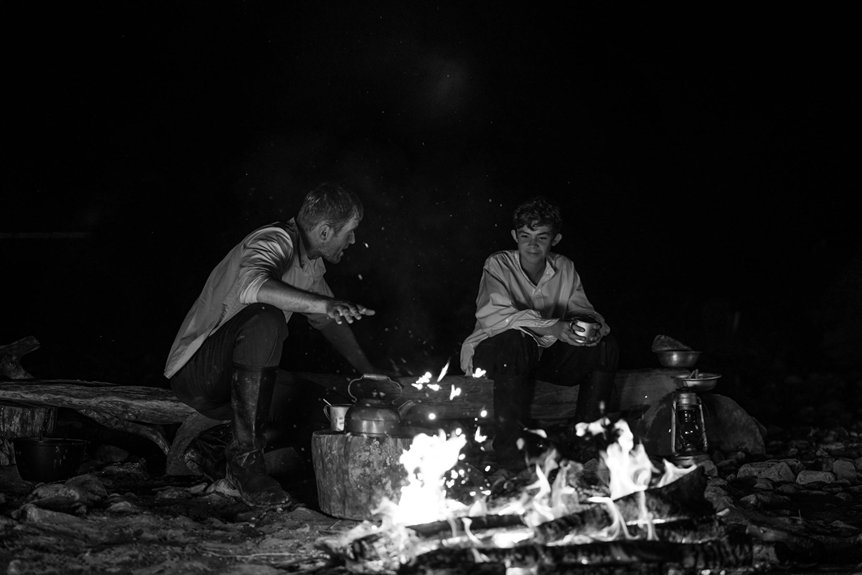
String up fairy lights or lanterns to create a warm ambiance as the sun sets. Don’t forget a portable fire pit or a camp stove to enjoy warmth and cook meals.
Bring Comfort Foods and Snacks
When you head out into the great outdoors, having comfort foods and snacks can make all the difference in keeping your spirits high. Packing your favorite treats can elevate your camping experience, turning ordinary meals into delightful moments.
Think easy-to-carry items like granola bars, trail mix, or jerky for quick snacks. Consider bringing pre-made meals like pasta or chili that only need reheating over the campfire. Don’t forget about s’mores ingredients for that classic camping dessert!
Having comforting flavors can evoke nostalgia, making your time in nature feel even more special. Plan ahead, store items properly, and enjoy the satisfaction of a delicious meal under the stars.
With the right snacks, you’ll feel cozy and satisfied, no matter where you are.