You might think dispersed camping is too risky or inconvenient, but it offers a unique way to connect with nature like no other. Imagine choosing your own secluded spot, away from crowds and noise, where you can truly unwind. This adventure not only enhances your outdoor experience but also lets you explore hidden gems. So, what do you need to know to make the most of this rewarding camping style?
Understanding Dispersed Camping: The Basics
When you venture into the great outdoors, understanding dispersed camping can elevate your experience and connect you more deeply with nature.
Dispersed camping means setting up camp outside of designated campgrounds, often on public lands like national forests or Bureau of Land Management areas. You’ll have the freedom to choose your own spot, allowing for a more secluded and personal experience.
However, it’s essential to follow guidelines to minimize your impact. Practice Leave No Trace principles by cleaning up after yourself and respecting wildlife. Bring all necessary supplies, as amenities are typically non-existent.
With no reservations needed, you can embrace spontaneity, discovering hidden gems and breathtaking vistas without the crowds.
Get ready for an adventure that’s all your own!
Benefits of Dispersed Camping
While many campers flock to crowded campgrounds, opting for dispersed camping opens up a world of unique benefits that enhance your outdoor experience.
You’ll enjoy the freedom of choosing your own spot, allowing you to connect more intimately with nature. With fewer people around, you’ll find peace and tranquility, perfect for relaxing or stargazing at night.
Dispersed camping often leads to discovering hidden gems, like serene lakes or stunning vistas, that you might miss in busy campgrounds. Plus, you’ll likely save money, as many dispersed sites are free or low-cost.
Engaging with the wilderness in this way fosters a deeper appreciation for the environment, making each adventure memorable and enriching.
How to Find Dispersed Camping Locations
So, how do you discover the perfect dispersed camping spots? Start by checking out online resources like the Bureau of Land Management (BLM) and U.S. Forest Service websites, which often list areas open for dispersed camping.
Utilize apps like Campendium or iOverlander to find user-submitted locations and reviews. Don’t forget to explore local forums or social media groups where fellow campers share hidden gems.
When you arrive, look for natural clearings away from trails and water sources to minimize your impact. Always verify you’re following Leave No Trace principles to protect the environment.
Finally, trust your instincts—if a spot feels right, it probably is. Now, gear up and get ready for an adventure!
Essential Gear for Dispersed Camping
Starting on a dispersed camping adventure requires the right gear to guarantee comfort and safety in the great outdoors.
A sturdy tent or hammock is essential for shelter, while a reliable sleeping bag and pad assure a good night’s rest.
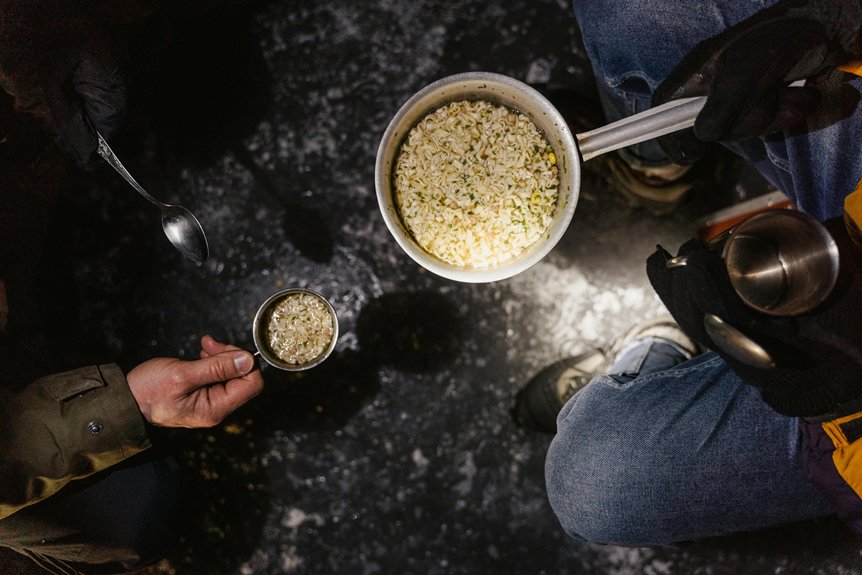
Don’t forget a portable stove or campfire grill for cooking meals—fuel your adventures with delicious food!
A quality backpack will help you carry your gear, and a first-aid kit is vital for unexpected bumps and scrapes.
Bring a water filter or purification tablets to stay hydrated, and pack a multi-tool for various tasks.
Finally, headlamps or flashlights are indispensable for maneuvering in the dark.
With the right gear, you’re ready to explore the beauty of nature!
Best Practices for Dispersed Camping
When planning your dispersed camping trip, embracing best practices can enhance both your experience and the environment.
First, choose a campsite at least 200 feet away from water sources to protect fragile ecosystems. Follow the Leave No Trace principles—pack out what you pack in, and avoid creating new fire rings.
Use existing trails and campsites to minimize your impact, and stay on durable surfaces when hiking. Always keep a safe distance from wildlife and never feed them.
If you plan to have a campfire, make sure it’s allowed and keep it small.
Finally, respect other campers’ privacy and maintain a peaceful atmosphere.
Personal Safety Tips for Dispersed Camping
While the allure of solitude and nature draws you to dispersed camping, prioritizing personal safety is essential for a successful adventure.
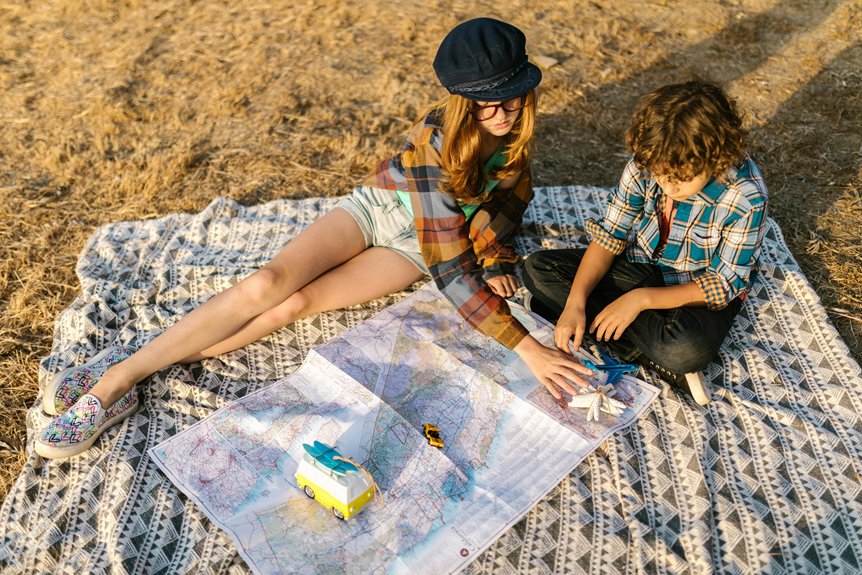
First, always let someone know your plans and expected return time. Carry a reliable map and a GPS device to navigate unfamiliar terrain. Pack a first-aid kit and know basic wilderness first aid techniques.
Be cautious of wildlife; store food securely and maintain a safe distance. Keep an eye on the weather, as conditions can change rapidly. Bring a fully charged phone, but don’t rely solely on it for navigation.
Finally, trust your instincts—if a spot feels off, move on. Dispersed camping can be thrilling, but staying safe guarantees you’ll enjoy every moment.