Starting your camping journey can be both rewarding and a bit intimidating. You’ll need to choose a camping style that fits your preferences and gather the right gear to guarantee a comfortable experience. From setting up your tent to planning meals, each step is essential for your outdoor adventure. But before you head out, it’s important to understand the basics that can make or break your trip. What comes next might surprise you.
Understanding the Basics of Camping
Camping can be an exhilarating escape from everyday life, offering you a chance to reconnect with nature and recharge your spirit. Understanding the basics of camping is essential for a successful trip.
Start by familiarizing yourself with various camping styles, such as tent camping, RV camping, or backcountry camping. Each offers unique experiences, so think about what suits you best.
Choose a suitable campsite that aligns with your preferences, whether it’s a serene lakeside or a rugged mountain. Learn essential outdoor skills like setting up a tent, building a fire, and steering with a map.
Finally, embrace the rhythms of nature—listen to the sounds around you, feel the earth beneath your feet, and allow the fresh air to invigorate your senses.
Choosing the Right Camping Gear
How do you know which camping gear will enhance your outdoor experience? Start by considering your camping style, whether you’re hiking deep into the wilderness or setting up at a family-friendly campground.
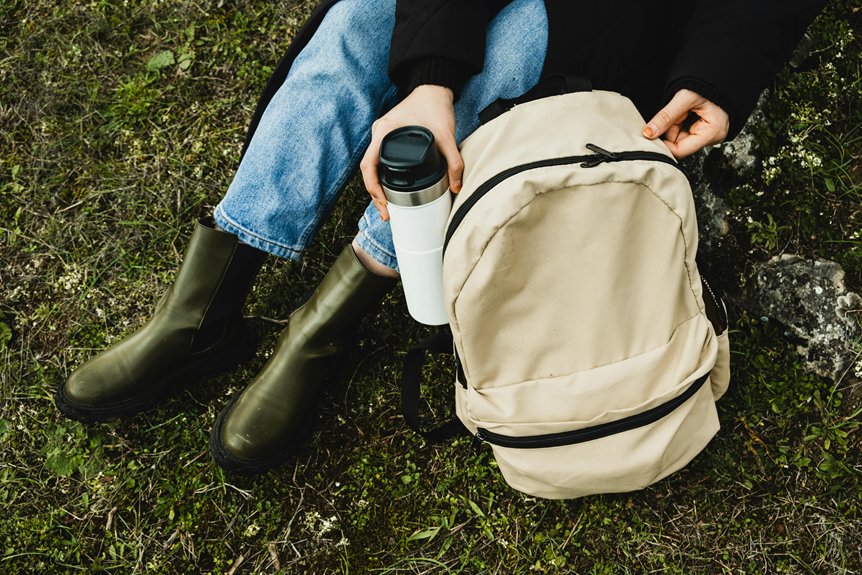
A sturdy, lightweight tent is essential for shelter, while a quality sleeping bag keeps you warm on chilly nights. Don’t forget a reliable camp stove for cooking, along with durable cookware.
If you plan on hiking, invest in comfortable, moisture-wicking clothing and sturdy boots. Additionally, a first aid kit and multi-tool can be lifesavers in unexpected situations.
Always check the weather forecast and adapt your gear accordingly. With the right equipment, you’ll not only feel safer but also enjoy your outdoor adventures to the fullest!
Selecting the Perfect Campsite
After you’ve gathered the right gear, the next step is to find the perfect campsite that complements your outdoor adventure.
Begin by considering your desired experience—do you want solitude or social interaction? Look for sites that offer scenic views, access to water, and natural shade.
Check for level ground to set up your tent comfortably, and avoid areas prone to flooding or insect infestations. Pay attention to local regulations and verify you’re camping in designated spots to protect the environment.
For a more immersive experience, choose a location close to hiking trails or fishing spots.
Finally, consider the proximity to amenities; a balance between wilderness and convenience can enhance your trip remarkably.
Enjoy the thrill of discovering your ideal campsite!
Essential Camping Skills for Beginners
While the thrill of being in nature is enticing, mastering essential camping skills can greatly enhance your outdoor experience.
Start with setting up your tent, ensuring it’s secure and properly staked. Familiarize yourself with knot-tying; knowing a few key knots can aid in securing tarps or gear.
Fire-making is vital—practice different methods, from matches to flint, to keep warm and cook meals. Learn basic navigation skills using a map and compass; it’s easy to get turned around in the wilderness.
Finally, get comfortable with first aid basics; knowing how to treat minor injuries can make a big difference.
With these skills under your belt, you’ll feel more confident and ready to tackle any adventure nature throws your way.
Planning Your Camping Meals
Planning your camping meals can be one of the most enjoyable aspects of your outdoor adventure, especially when you consider the delicious options available.
Start by creating a menu that includes easy-to-cook recipes, focusing on ingredients that pack well and don’t spoil quickly. Think about quick breakfasts like oatmeal or granola, satisfying lunches like wraps or sandwiches, and hearty dinners like foil packet meals or pasta.
Don’t forget snacks—trail mix, jerky, and energy bars are great choices. Prepping some meals at home can save time, too.
Pack your ingredients in resealable bags or containers to keep things organized. With a little planning, you’ll savor every bite while enjoying nature’s beauty around you.
Happy camping!
Safety Tips for Outdoor Adventures
When you venture into the great outdoors, prioritizing safety can make the difference between a thrilling experience and a potentially dangerous situation.
Always inform someone about your plans, including your route and expected return time. Carry a first aid kit, and know how to use it—basic skills like treating cuts or bites can be lifesavers.
Stay aware of weather conditions; sudden storms can disrupt your adventure. Invest in a map and compass, even if you have a GPS—technology can fail.
When hiking, stick to marked trails and avoid wandering off.
Finally, respect wildlife; observe from a distance to prevent aggressive encounters.
Navigating the Great Outdoors
How will you find your way through the vast wilderness without feeling overwhelmed? Start by familiarizing yourself with a good map and compass. These tools are your best friends when it comes to steering through trails.
Make sure you know how to read the map’s symbols and contours. GPS devices and smartphone apps can be handy, but don’t rely solely on them—batteries can die.
Before you head out, plan your route and share it with someone. While hiking, pay attention to landmarks and trail markers. Trust your instincts; if something doesn’t feel right, retrace your steps.
Finally, practice patience. The more time you spend outdoors, the more comfortable you’ll become maneuvering the wild. Enjoy the journey, and let the adventure unfold!
Campfire Etiquette and Fun Activities
As the sun dips below the horizon and the stars begin to twinkle, gathering around the campfire creates a magical atmosphere that brings everyone together.
To keep the experience enjoyable, follow some simple campfire etiquette. Speak softly, allowing everyone to share stories or laughter without shouting. Respect others’ space by arranging seating thoughtfully and avoiding excessive movement.
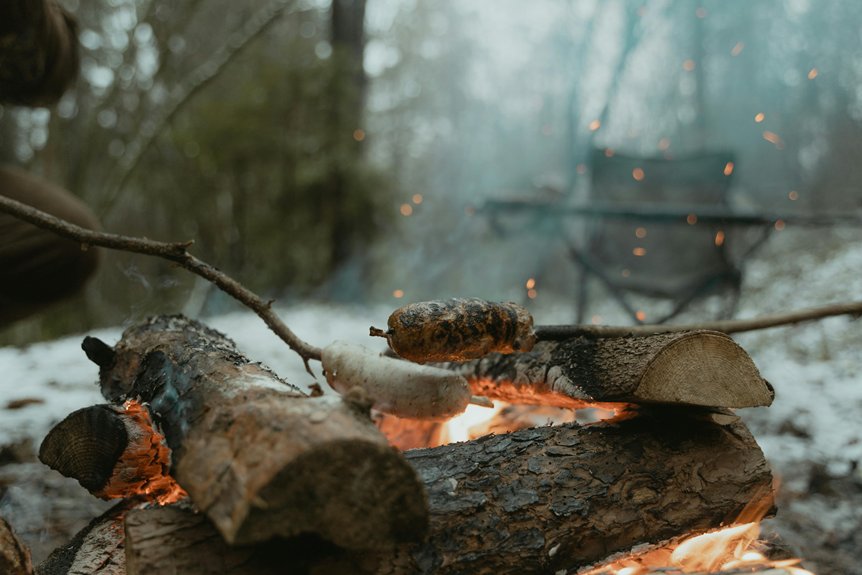
When it comes to fun activities, consider roasting marshmallows for s’mores or sharing ghost stories that send delicious chills down your spine. You might also bring a guitar for sing-alongs or card games to spark friendly competition.
Leave No Trace: Protecting Nature for Future Generations
While you immerse yourself in the beauty of nature, it’s crucial to remember the impact your visit can have on the environment. Practicing Leave No Trace principles helps guarantee that these natural wonders remain pristine for future generations.
Start by planning ahead—know the rules of the area you’re visiting. When hiking, stick to established trails to protect fragile ecosystems. Always pack out what you pack in, including trash and leftover food, to avoid disturbing wildlife.
Keep campfires small and contained, using only dead and downed wood. Respect wildlife by observing from a distance and never feeding animals.