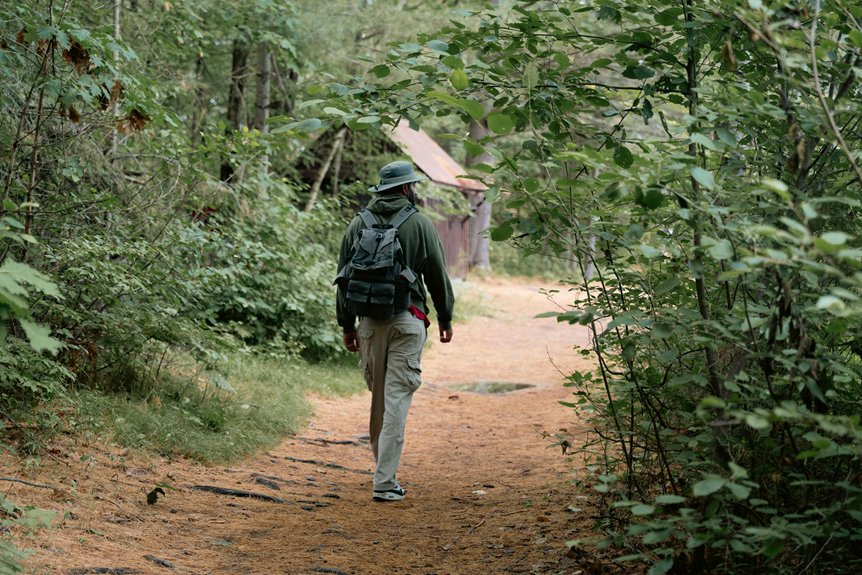
Packing a camping backpack isn’t just about cramming in gear; it’s about weight distribution for comfort and balance on the trail. By understanding how to strategically position your items, you can minimize strain and enhance your hiking experience. Start with the heavy stuff and work your way up to lighter essentials. Curious about how to achieve the perfect setup? Let’s explore the key steps to optimize your backpack for your next adventure.
Understanding Weight Distribution Basics
When you’re packing a camping backpack, understanding weight distribution is essential for a comfortable hike.
Start by placing heavier items, like your sleeping bag and food, near your back and at the bottom of the pack. This keeps your center of gravity low, making it easier to maintain balance.
Next, position medium-weight items, such as cooking gear and extra clothing, in the middle.
Finally, use the top and side pockets for lighter items like snacks and a first aid kit.
Remember, evenly distribute weight on both sides to prevent swaying. A well-balanced pack reduces strain on your shoulders and back, allowing you to enjoy your adventure without discomfort.
Prioritize comfort, and your hike will be much more enjoyable.
Choosing the Right Backpack
Choosing the right backpack can make all the difference in your camping experience, especially if you plan to hike for several days.
Start by considering the capacity you need; a 50-70 liter pack is ideal for extended trips. Look for a comfortable fit that suits your torso length, as a well-fitting backpack helps prevent fatigue. Opt for adjustable straps and a padded hip belt to distribute weight evenly.
Don’t forget to check the material—durable, water-resistant fabric provides better protection against the elements. Additionally, think about extra features like pockets for organization and hydration reservoirs for easy access to water.
With the right backpack, you’ll enjoy a more comfortable and enjoyable hiking adventure.
Packing the Heavy Items
Packing your heavy items correctly is essential for maintaining balance and stability in your backpack. Start by placing the heaviest gear, like your sleeping bag or cooking equipment, close to your back and near your center of gravity. This positioning not only keeps your load stable but also reduces strain on your shoulders and hips.
Avoid stacking heavy items too high, as this can affect your balance and make hiking more challenging. Secure these items tightly to prevent shifting while you walk.
Finally, pack them in a way that allows easy access; you might need to reach for a cooking pot without unpacking everything else. Prioritizing this step will make your adventure much more enjoyable and manageable.
Positioning Medium Weight Gear
Positioning your medium weight gear properly is essential for maintaining comfort on the trail. Place these items just above your heavy gear, keeping them close to your back for better weight distribution. This helps you maintain balance and reduces strain on your shoulders.
Think of items like your sleeping bag, cooking gear, or extra clothing; they should be easily accessible but not so bulky that they throw off your center of gravity. Avoid packing these items too high or too low, as this can lead to instability. Instead, aim for a snug fit, securing everything tightly with straps to minimize shifting as you hike.
A well-packed backpack can make a world of difference in your hiking experience!
Organizing Light Items
While organizing your light items, it’s important to contemplate their placement for easy access during your hike. Start by packing essentials like snacks, first aid supplies, and a headlamp toward the top of your backpack. This way, you won’t have to dig deep when you need something quickly.
Use small pouches or zip-lock bags to group similar items together, which further simplifies access. Don’t forget about your water bottles; keep them within reach to stay hydrated.
Make certain that lighter items are balanced on both sides of your pack to maintain stability while you walk. By organizing your light items thoughtfully, you’ll enhance your hiking experience, making it both enjoyable and efficient.
Utilizing External Straps and Pockets
To make the most of your camping backpack, take advantage of the external straps and pockets designed for easy access to your gear. These features are perfect for stowing items like sleeping pads, trekking poles, or a lightweight jacket. By securing gear outside your pack, you free up internal space for essentials.
When packing, make sure that heavier items are strapped close to your body to maintain balance. Use side pockets for quick-access items like water bottles or snacks, keeping them within reach during your hike.
Additionally, don’t forget to utilize compression straps; they help stabilize your load and reduce bulk. Properly using these external features can enhance your hiking experience and make organization a breeze.
Keeping Essentials Accessible
Keeping your most important items within easy reach is key to a smooth hiking experience. Start by identifying essentials like snacks, water, maps, and first-aid supplies. Pack these items in external pockets or the top of your backpack for quick access.
When you need to hydrate or grab a snack, you won’t want to dig through layers of gear. Use a hydration reservoir or water bottle in a side pocket for convenience. Also, consider a small, easily accessible pouch for your phone or GPS device.
This way, you can stay oriented without fumbling around. Organizing your essentials effectively means you can focus on the adventure ahead, rather than wasting time searching for what you need.
Balancing Your Load
How can you guarantee that your camping backpack feels comfortable and manageable on the trail? The key lies in balancing your load.
Start by placing heavier items, like your tent or cooking gear, close to your back and near your center of gravity. This positioning helps maintain stability and reduces strain on your shoulders.
Next, distribute lighter items, such as clothing and food, evenly throughout the pack to prevent any lopsidedness. You should also avoid cramming items into the top of your bag, which can throw off your balance.
Finally, double-check your setup before hitting the trail. A well-balanced backpack makes for a more enjoyable hiking experience, allowing you to focus on the adventure ahead instead of discomfort.
Adjusting Your Backpack for Comfort
While you might be enthusiastic to hit the trail, taking a moment to adjust your backpack can make all the difference in your comfort.
Start by loosening all straps and putting the pack on. Once it’s settled, tighten the hip belt first; it should rest comfortably on your hips, transferring weight away from your shoulders.
Next, adjust the shoulder straps to fit snugly but not restrictively. You want them to hold the pack close to your back without digging in.
Finally, check the sternum strap; it should help stabilize the load without constricting your breathing.
Make small adjustments as needed, and don’t hesitate to take a few steps to guarantee everything feels just right before starting your adventure.
Tips for Last-Minute Packing
Once you’ve adjusted your backpack for comfort, it’s time to tackle the packing process, especially if you’re in a rush.
Start by creating a checklist of essentials: food, water, first aid kit, and clothing. Prioritize lightweight items and pack them in layers, placing heavier gear closer to your back for better weight distribution.
Roll your clothes to save space and minimize wrinkles. Don’t forget to utilize every pocket; smaller items like snacks and maps can fit into side compartments for easy access.
Double-check the weather forecast and pack accordingly, adding rain gear if necessary.
Finally, do a quick gear inspection—make sure you’ve got everything, so you can hit the trail confidently without unnecessary stress!