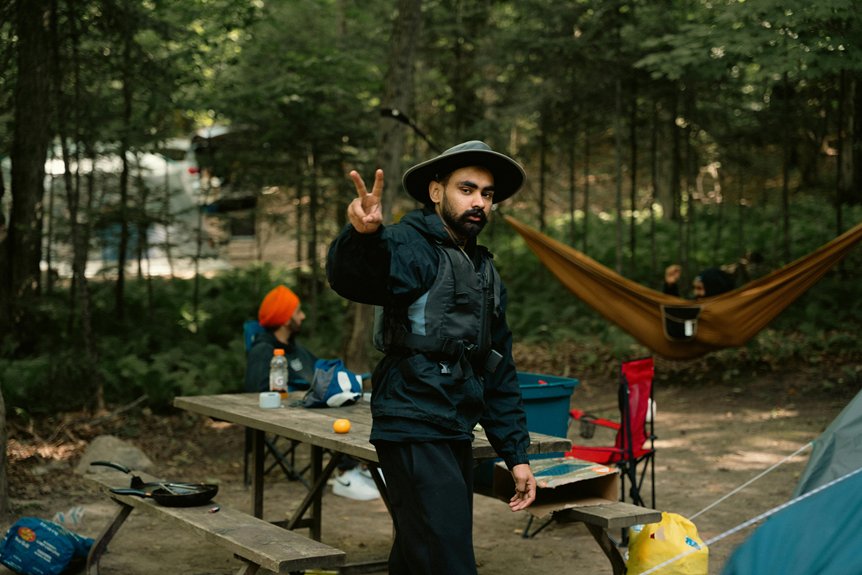
If you’ve ever longed for a camping experience that pulls you away from the hustle and bustle, dry camping might be your answer. Picture yourself nestled in a remote location, surrounded by nature’s beauty, with no crowds or distractions. This off-grid lifestyle demands self-sufficiency and adaptability, pushing you to explore new terrains and embrace the unexpected. But what exactly does it take to thrive in such an environment? Let’s explore the essentials of dry camping together.
What Is Dry Camping?
Dry camping, often referred to as boondocking, is an adventurous way to experience the great outdoors without the comforts of traditional campgrounds.
It involves setting up camp in remote locations, away from established facilities like water and electricity. You’ll find yourself immersed in nature, surrounded by stunning landscapes, whether it’s a serene forest, a rugged mountain, or a picturesque desert.
To thrive in this environment, you’ll need to be self-sufficient, relying on solar panels, portable water tanks, and your own supplies.
The thrill of dry camping lies in its unpredictability; each location offers unique challenges and rewards.
You’ll learn to appreciate the simplicity of life, connecting deeply with nature and discovering the joy of solitude under a star-filled sky.
The Advantages of Dry Camping
Camping off the beaten path opens up a world of advantages that traditional campgrounds simply can’t match. You’ll find unparalleled solitude, allowing you to immerse yourself in nature without the distractions of nearby campers.
The flexibility of choosing your own spot means you can set up near breathtaking views or serene lakes. Plus, you’ll enjoy the thrill of adventure, exploring uncharted territories and discovering hidden gems.
Dry camping encourages minimalism, teaching you to rely on essential gear and fostering a deeper connection with the outdoors. You’re also less likely to deal with noise and crowds, ensuring a peaceful retreat.
Ultimately, dry camping transforms your outdoor experience into something truly unique and memorable. So, pack your gear and embrace the freedom!
Essential Gear for Dry Camping
When you venture into the world of dry camping, having the right gear is vital to guarantee a safe and enjoyable experience.
Start with a reliable tent or shelter that can withstand the elements, ensuring you stay dry and protected. A high-quality sleeping bag suited for varying temperatures will keep you warm and cozy at night.
Don’t forget a portable stove or cooking system, along with lightweight cookware, so you can whip up meals easily. Water is essential, so pack a sturdy water filter or purification tablets.
Finally, a good first-aid kit, multi-tool, and headlamp are must-haves for emergencies.
With this vital gear, you’ll be well-prepared for your off-grid adventure, ready to embrace the great outdoors.
Finding the Perfect Dry Camping Spot
Choosing the right spot for your dry camping adventure can make all the difference in your experience.
Look for locations that offer natural beauty, like scenic views, towering trees, or calm lakes. Accessibility is key, so make sure your vehicle can reach the site without trouble. Consider the proximity to hiking trails, fishing spots, or other activities you enjoy.
Also, pay attention to the weather—avoid low-lying areas that might collect water or places prone to strong winds. Check local regulations, too, to verify you’re camping in permitted areas.
Finally, embrace solitude! Finding a quieter spot away from crowds enhances the tranquility of your off-grid experience, allowing you to truly connect with nature.
Happy camping!
Safety Tips for Off-Grid Camping
While immersing yourself in the beauty of off-grid camping, it’s essential to prioritize safety to guarantee a worry-free adventure.
Start by informing someone about your plans, including your expected return date. Always have a reliable map and a GPS device; getting lost in the wilderness can be dangerous.
When setting up camp, choose a spot away from hazards like falling branches or flash flood zones. Keep a well-stocked first aid kit handy for minor injuries.
Also, familiarize yourself with local wildlife and know how to safely store food to avoid attracting animals.
Finally, check the weather forecast and be prepared for sudden changes to stay safe and enjoy the tranquility of nature fully.
Managing Resources: Water and Food
After ensuring your safety in the wilderness, managing your resources becomes a top priority, especially when it comes to water and food.
Start by evaluating your water supply; carry enough for drinking, cooking, and cleaning. Consider using a filtration system or purification tablets if you plan to source water from natural bodies.
For food, opt for non-perishable items like freeze-dried meals, nuts, and energy bars that are lightweight and easy to prepare. Plan your meals ahead, and pack just what you need to minimize waste.
Don’t forget to bring a portable stove or campfire gear for cooking, and always store food securely to avoid attracting wildlife.
Powering Your Adventure: Energy Options
As you commence your dry camping adventure, finding reliable energy sources is essential for staying connected and comfortable in the great outdoors.
Solar power is a popular choice, thanks to portable panels that can easily recharge your devices and batteries. You might also consider bringing a compact generator for a quick power boost when needed.
Don’t forget about your trusty power banks; they’re perfect for keeping your phone and gadgets charged without drawing too much energy.
For those who love a cozy campfire, a propane stove can serve double duty, cooking meals and providing a bit of warmth.
Whichever option you choose, make sure it aligns with your adventure style, ensuring your experience is both enjoyable and sustainable.
Leave No Trace Principles for Dry Campers
To guarantee your dry camping adventure respects the natural environment, embracing the Leave No Trace principles is essential.
Start by planning ahead; know the area and its regulations. When you set up camp, choose durable surfaces and keep your impact minimal. Always pack out what you pack in—this includes food scraps and trash.
Respect wildlife by observing from a distance and never feeding them. Keep campfires small or avoid them altogether to prevent habitat destruction. Additionally, stay on designated trails to protect fragile vegetation.
Finally, be considerate of other visitors by keeping noise levels down and leaving the area as you found it. By following these principles, you’ll guarantee your outdoor experience is enjoyable and sustainable for everyone.
Inspiring Dry Camping Destinations
Whether you’re a seasoned dry camper or just starting out, exploring inspiring destinations can elevate your outdoor experience.
Picture yourself camping under the stars in the serene wilderness of Joshua Tree National Park, where unique rock formations and iconic trees create a magical backdrop.
Alternatively, the stunning landscapes of the Grand Canyon offer breathtaking views and numerous secluded spots to pitch your tent.
For ocean lovers, consider the rugged beauty of Big Sur; its cliffs and crashing waves provide a dramatic setting.
If you prefer mountains, the peaceful trails of the North Cascades invite you to disconnect and immerse yourself in nature.
Each of these destinations promises unforgettable memories, allowing you to truly embrace the spirit of dry camping.