Imagine waking up to the sound of rustling leaves and a breathtaking sunrise over untouched landscapes. Wild camping offers you the chance to escape the hustle and bustle, immersing yourself in nature’s beauty. However, before you pitch your tent in the wilderness, you need to understand some key aspects of this adventure. From legal regulations to choosing the right gear, there’s much to contemplate for a safe and rewarding experience.
Understanding Wild Camping
When you venture into the wild for camping, you’re stepping into an exhilarating world where nature’s beauty takes center stage and the comforts of home fade into the background.
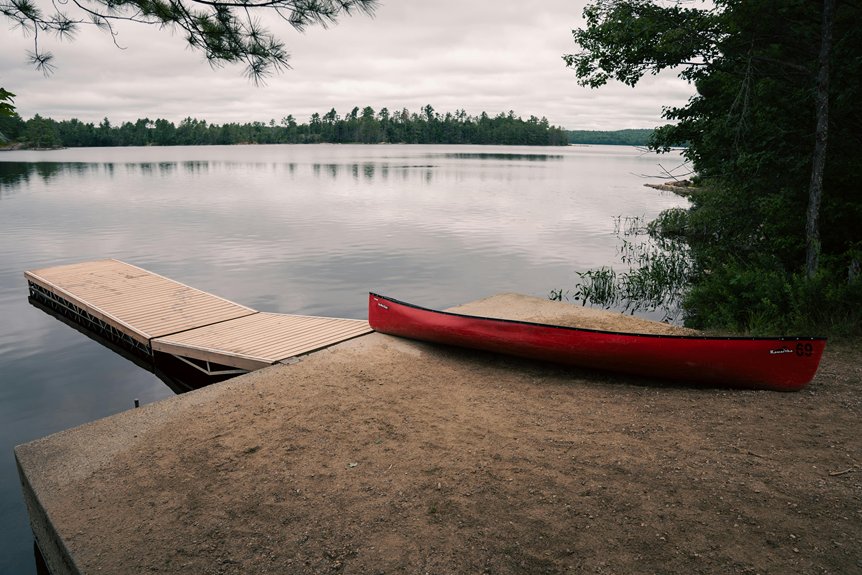
Wild camping, often referred to as backcountry camping, means setting up your tent in remote locations, away from designated campsites. You’ll embrace the thrill of spontaneity and discover untouched landscapes, from rugged mountains to serene lakes.
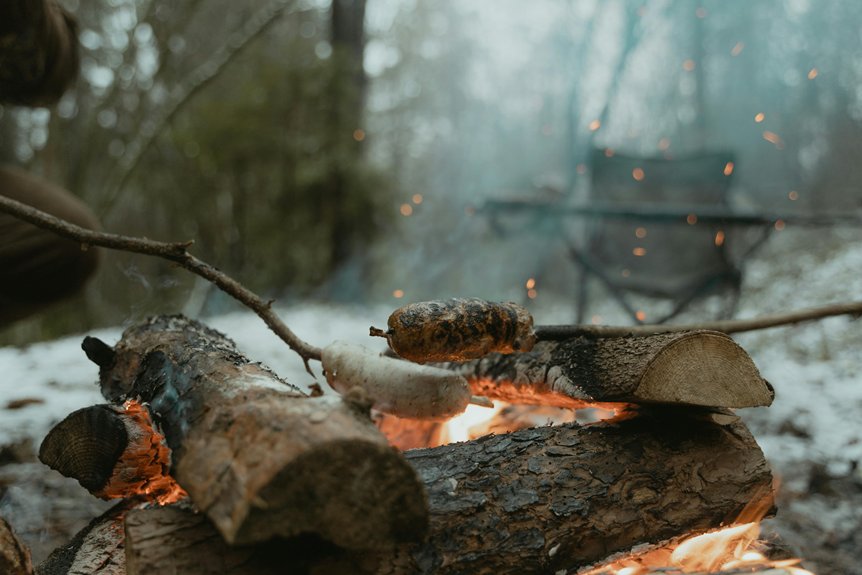
Here, you’ll learn to adapt to the elements, honing essential skills like navigation and fire-building. It’s about immersing yourself in nature, respecting the environment, and leaving no trace behind.
You’ll find a deeper connection to the wild, experiencing the sights and sounds that urban life can’t offer. Get ready for adventure!
Benefits of Wild Camping
Wild camping offers a myriad of benefits that can enrich your outdoor experience.
First and foremost, it immerses you in nature, allowing you to disconnect from the hustle and bustle of daily life. You’ll breathe fresh air, enjoy stunning views, and experience the soothing sounds of the wilderness.
This adventure fosters self-reliance and boosts your confidence as you navigate and set up camp in unfamiliar terrain. You’ll also get a chance to observe wildlife up close, enhancing your appreciation for the natural world.
Moreover, wild camping encourages mindfulness, as you become attuned to your surroundings and the simplicity of life outdoors.
Finally, it provides a unique opportunity to bond with friends or family, creating memories that’ll last a lifetime.
Legal Considerations and Regulations
Before you commence your wild camping adventure, it’s essential to understand the legal considerations and regulations that govern outdoor activities in your chosen area.
Different regions have varying rules about where you can camp, how long you can stay, and what activities are allowed. Check if you need permits or if certain areas are designated for camping.
In some national parks or forests, wild camping might be prohibited altogether. Respect local wildlife and follow the Leave No Trace principles to minimize your impact.
Familiarize yourself with any fire restrictions and off-limit zones to avoid fines or penalties. By knowing the rules, you’ll not only keep yourself safe but also guarantee a responsible and enjoyable experience in the wild.
Choosing the Right Location
How do you find the perfect spot for your wild camping experience? Start by scouting for a location that offers both beauty and safety.
Look for flat ground away from water sources; this keeps you dry and minimizes the risk of flooding. Opt for areas with natural windbreaks like trees or hills, which can shield you from harsh weather.
Be mindful of local wildlife; avoid camping too close to animal trails or nests. Check the terrain for potential hazards like rocky outcrops or dead trees that could fall.
Finally, embrace the adventure by choosing a spot that inspires you—whether it’s a secluded meadow or a stunning mountain overlook. Your perfect wild camping location awaits!
Essential Gear for Wild Camping
Finding the perfect spot to pitch your tent is just the beginning of your wild camping adventure. To guarantee a successful trip, you’ll need the right gear.
Start with a durable tent that’s easy to set up and weather-resistant. A quality sleeping bag suited for the season keeps you warm and cozy. Don’t forget a sleeping pad for added comfort and insulation from the ground.
Pack a portable stove or camping cookware for meal preparation, along with lightweight, non-perishable food. A reliable water filter or purification tablets will keep you hydrated.
Finally, bring a first-aid kit, headlamp, and a multi-tool for those unexpected situations. With the right gear, you’re ready to embrace the wilderness and create unforgettable memories!
Safety Tips for Wilderness Adventures
While you’re enthusiastic to explore the great outdoors, prioritizing safety during your wilderness adventures is essential. Start by letting someone know your itinerary and expected return time.
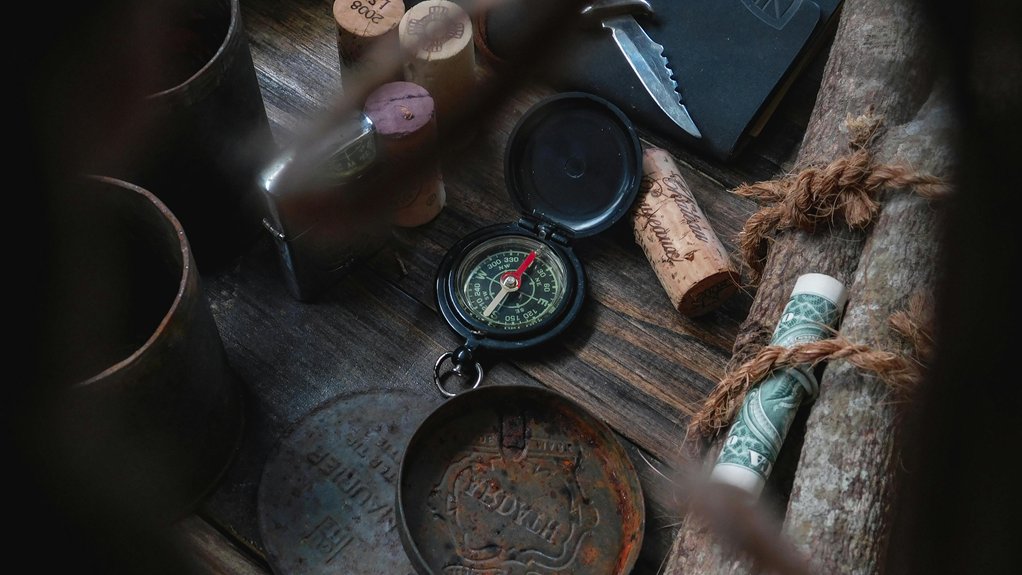
Always carry a map and compass, even if you plan to use a GPS; technology can fail. Pack a well-stocked first aid kit, and familiarize yourself with basic first aid skills. Stay hydrated and know how to purify water.
Be aware of weather conditions, as they can change rapidly; dress in layers to adjust accordingly. Keep food stored away from your campsite to avoid attracting wildlife.
Finally, trust your instincts; if something doesn’t feel right, it’s okay to turn back. Your safety is paramount—adventure smartly!
Leave No Trace Principles
To fully enjoy your wild camping experience, embracing the Leave No Trace principles is essential for preserving the beauty of nature.
Start by planning ahead and preparing for your trip, ensuring you know the area’s regulations. When you arrive, choose established campsites to minimize impact.
Always pack out what you pack in—this includes trash, leftover food, and any gear. Keep wildlife wild by storing food properly and observing animals from a distance.
Respect the landscape by sticking to trails and avoiding trampling vegetation. Finally, be considerate of other campers by keeping noise levels down and allowing others to enjoy the tranquility.
Preparing for Wild Camping Experiences
As you gear up for a wild camping adventure, thoughtful preparation can make all the difference in ensuring a safe and enjoyable experience.
Start by researching your destination; know the terrain, weather, and wildlife. Pack essential gear like a sturdy tent, sleeping bag, and cooking equipment. Don’t forget a first aid kit and navigation tools.
Planning your meals in advance helps keep your pack light and manageable. Choose dehydrated foods or easy-to-cook options.
Also, check your gear for functionality—nothing’s worse than a broken tent or faulty stove in the wild.
Lastly, practice setting up your campsite beforehand. Familiarizing yourself with your equipment boosts confidence and efficiency when you’re out in the wilderness, ready to embrace the great outdoors.