Wild camping is more than just pitching a tent in the wilderness; it’s about immersing yourself in nature’s untouched beauty. You escape the noise of everyday life, discovering remote locations that few have ventured to. It challenges you to be self-reliant and resilient, fostering a deeper connection with the environment. But before you grab your gear and head out, there are essential skills and knowledge you’ll need to guarantee a safe and rewarding experience.
The Essence of Wild Camping
When you step into the world of wild camping, you’re not just setting up a tent; you’re embracing a lifestyle that connects you with nature in its purest form.
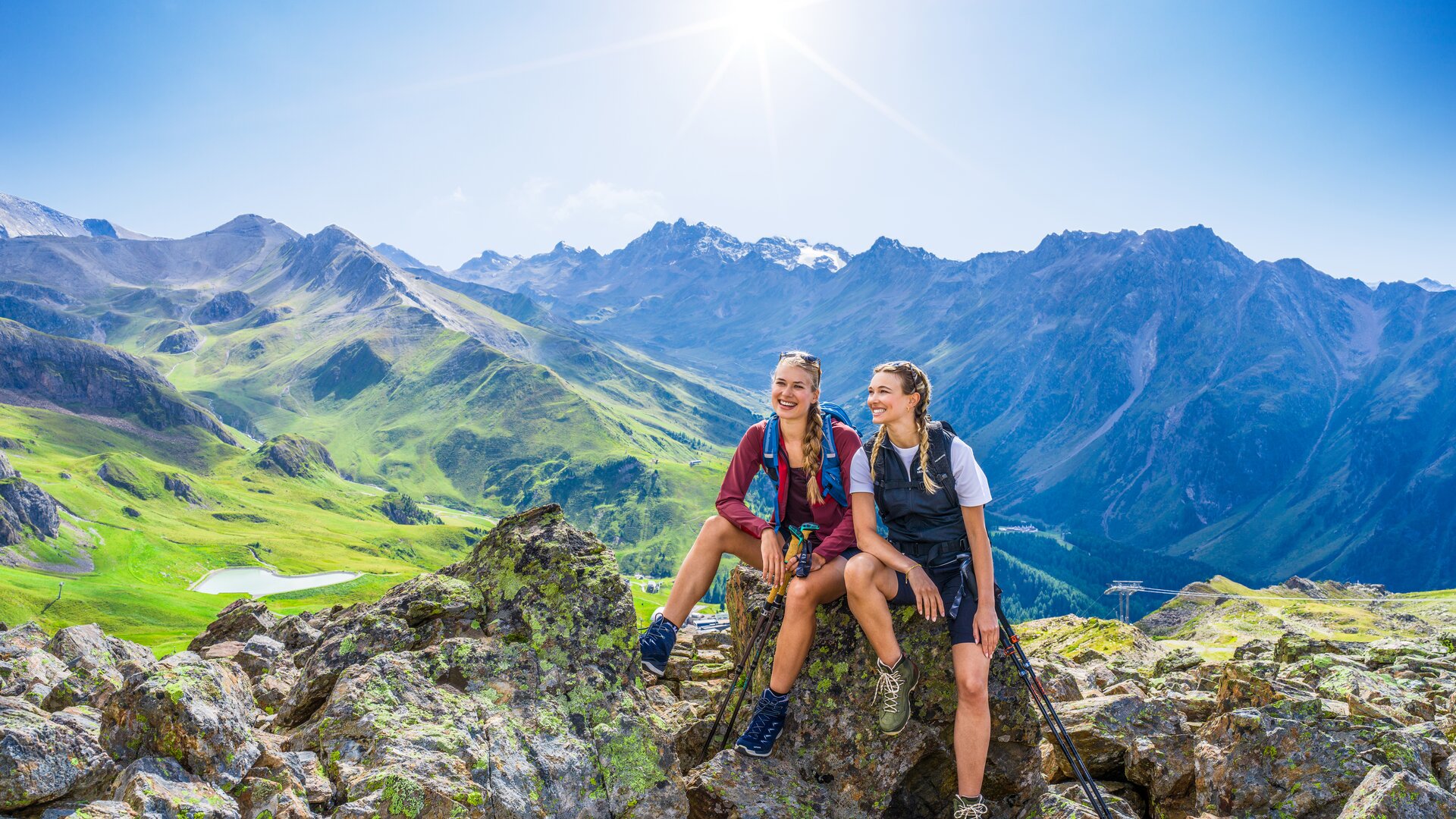
This adventure invites you to escape the hustle and bustle of daily life, offering a chance to disconnect from technology and reconnect with the great outdoors. You’ll find yourself traversing through breathtaking landscapes, from lush forests to stunning mountain ranges.
Each moment spent under the stars deepens your appreciation for the natural world. You’ll learn essential skills like fire building, wayfinding, and even foraging, fostering a sense of self-reliance.
Wild camping isn’t merely about the destination; it’s about the journey, the experiences, and the memories you create along the way.
Benefits of Wild Camping
Wild camping offers a wealth of benefits that enrich both your body and mind. By immersing yourself in nature, you’ll experience a revitalizing break from daily routines and digital distractions.
The physical activity involved, whether hiking or setting up camp, boosts your fitness levels and enhances your stamina. You’ll also discover the joy of sleeping under the stars, which can improve your sleep quality and overall well-being.
Additionally, wild camping fosters a sense of adventure and self-reliance, empowering you to tackle challenges and build confidence. You’ll develop a deeper appreciation for the environment, connecting with nature in a way that’s often lost in urban life.
Essential Gear for Wild Camping
To guarantee a successful wild camping experience, you’ll need to pack some essential gear that keeps you safe, comfortable, and prepared for the unexpected.
Start with a reliable tent that’s lightweight and weather-resistant; it’ll be your shelter from the elements. Don’t forget a sleeping bag suited for the season—it’ll keep you cozy at night.
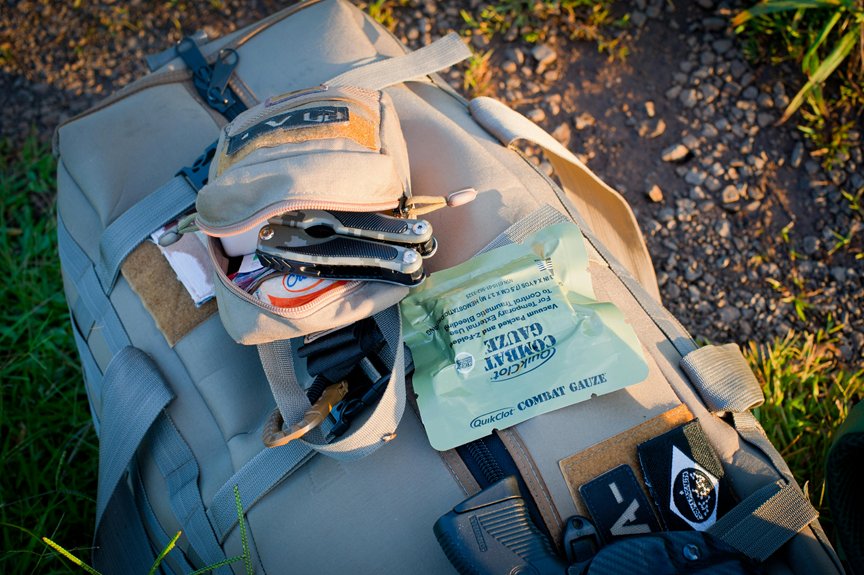
A portable stove and cooking utensils are vital for preparing meals, while a water filtration system guarantees you have safe drinking water. A first aid kit is a must for any accidents.
Finally, bring a sturdy backpack to carry everything and a good map or GPS device to help you navigate. With the right gear, you’ll be ready to embrace the adventure of wild camping!
Skills Needed for Wild Camping
Mastering the skills needed for wild camping can transform your outdoor adventure into a truly rewarding experience.
First, learn basic navigation using a map and compass; this’ll keep you oriented in the wilderness.
Practice setting up your tent efficiently, as a well-pitched shelter makes all the difference in comfort.
Familiarize yourself with fire-making techniques; a warm fire can be your best friend for cooking and warmth.
Additionally, honing your cooking skills with minimal gear will elevate your meals.
Don’t forget about first aid basics—being prepared for minor injuries is essential.
Finally, cultivate a respect for nature; understanding wildlife and environmental preservation will enhance your experience while keeping you safe.
With these skills, you’re ready to embrace the wild!
Choosing the Right Location
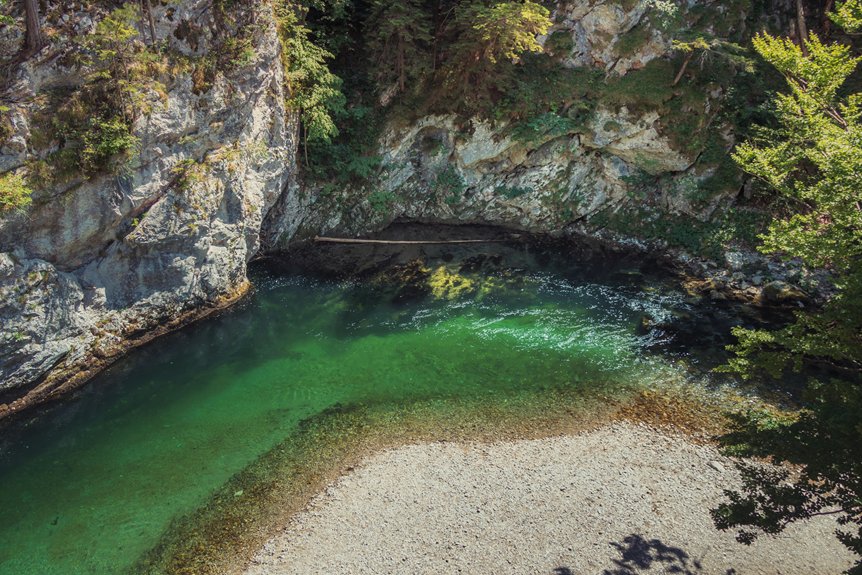
When you’re planning a wild camping trip, selecting the right location can make or break your experience. Look for spots that offer stunning views, access to water, and natural shelter from wind.
Think about the terrain—flat ground is ideal for pitching your tent, while nearby trees can provide shade and a sense of privacy. Consider the weather patterns too; avoid low-lying areas that might flood or windy ridges that can make sleeping uncomfortable.
Research local regulations to guarantee you’re camping in permitted areas. Finally, trust your instincts—if a spot feels right, it probably is!
Embrace the adventure of discovering new places, and let the beauty of nature guide your choice. Happy camping!
Setting Up Camp Responsibly
As you settle into your chosen location, making a conscious effort to set up camp responsibly guarantees that you leave nature just as you found it.
Start by selecting a durable surface, like gravel or grass, to minimize your impact. Keep your camp at least 200 feet away from water sources to protect local wildlife and maintain water quality.
When pitching your tent, avoid trampling vegetation and use existing sites whenever possible. Organize your camp to minimize clutter, ensuring that your presence doesn’t disrupt the natural beauty around you.
Finally, be mindful of fire regulations and consider using a portable stove instead of an open fire. By following these guidelines, you’ll enhance your adventure while respecting the pristine environment you enjoy.
Leave No Trace Principles
Understanding and applying the Leave No Trace principles is essential for anyone who loves the great outdoors. These guidelines help you minimize your impact while enjoying nature’s beauty.
Start by planning ahead and preparing, which guarantees you have the right gear and know the regulations for your area. When you camp, choose durable surfaces and set up away from water sources to protect fragile ecosystems.
Always pack out what you pack in—this includes trash, leftover food, and personal items. Respect wildlife by observing from a distance and never feeding them.
Finally, keep campfires small or avoid them altogether, opting for a camp stove instead. By following these principles, you help preserve the wild spaces you cherish for future adventurers.
Safety Tips for Wild Camping
Following the Leave No Trace principles not only helps preserve the environment but also sets the stage for a safer wild camping experience.
Before you venture out, familiarize yourself with the area’s wildlife and weather conditions. Keep your campsite tidy; store food securely to deter animals. Always have a first-aid kit on hand and know basic first-aid skills.
Choose a flat, dry spot to pitch your tent, away from potential hazards like falling branches or rising water. Stay hydrated and bring plenty of water or a reliable filtration system.
Finally, let someone know your plans and expected return time. Embrace the adventure, but keep safety at the forefront to guarantee a memorable, worry-free experience in the wild!
Wild Camping in Different Environments
Whether you’re exploring lush forests, arid deserts, or rugged mountains, wild camping offers a unique opportunity to connect with nature in various environments.
In forests, you’ll find ample shelter among trees, allowing you to immerse yourself in the sounds of chirping birds and rustling leaves.
Deserts challenge you with their vast, open spaces and extreme temperatures, urging you to adapt your gear and hydration strategies.
Meanwhile, the mountains present breathtaking views and fresh air, but they require careful planning for altitude and weather conditions.
Each environment demands respect and preparation, but the rewards are incredible.
You’ll witness stunning sunrises, encounter diverse wildlife, and experience the tranquility that comes from truly being in nature.