Stealth camping is all about finding hidden spots in nature or urban areas where you can camp discreetly without attracting attention. It combines adventure with the challenge of seeking privacy and safety. You’ll need careful planning and an understanding of local laws to enjoy this unique experience fully. Curious about the benefits and essential gear you’ll need? Keep exploring to uncover the secrets of stealth camping.
The Concept of Stealth Camping
Stealth camping, while it may sound clandestine, is simply about finding discreet places to set up camp without drawing attention. You’re not looking for formal campsites; instead, you seek out hidden spots in nature or urban areas where you can rest without being noticed.
This practice requires careful planning and respect for local laws and regulations. You have to scout locations ahead of time, considering factors like privacy, safety, and access to resources.
Choosing the right time to pitch your tent is essential, too—often, late evenings or early mornings yield the best results.
Benefits of Stealth Camping
When you embrace stealth camping, you reveal a range of benefits that enhance your outdoor adventures.
First, it allows you to connect deeply with nature, as you’ll likely choose remote, serene locations away from crowded campsites. You’ll enjoy solitude, giving you a chance to reflect and recharge.
Stealth camping also offers a sense of freedom; you can explore off-the-beaten-path spots and experience unique landscapes.
Additionally, it often costs less than traditional camping, as you can set up in areas where camping fees don’t apply.
Finally, this practice hones your survival skills, boosting your confidence and resourcefulness in the wild.
Essential Gear for Stealth Camping
To make the most of your stealth camping experience, having the right gear is key.
Start with a lightweight tent or a bivy sack that blends into your surroundings. A sleeping bag rated for the season will keep you comfortable, while a sleeping pad adds insulation from the ground.
Pack a compact cooking system to prepare meals quietly, and don’t forget a reliable headlamp or flashlight for nighttime navigation. Bring a multi-tool for various tasks and a small first aid kit for emergencies.
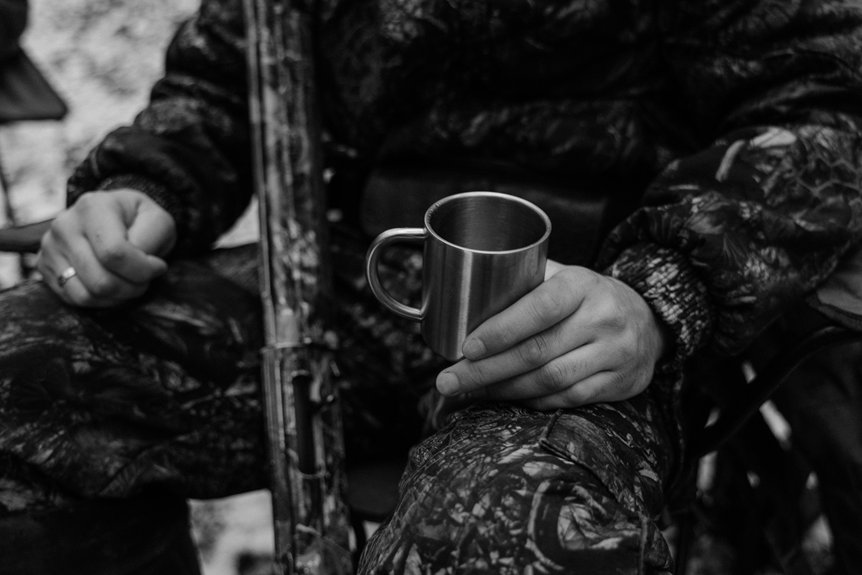
Camouflage clothing is essential for blending in, and a lightweight backpack will help you carry it all discreetly.
With this essential gear, you’ll be well-prepared for your stealth camping adventure.
Choosing the Right Location
Choosing the right location for your camping adventure can greatly enhance your experience and keep you safe. Look for secluded spots away from trails and roads to minimize exposure.
Urban areas might offer hidden gems, like vacant lots or parks, but make sure they’re discreet. Consider natural cover, such as dense trees or bushes, to help you blend in with your surroundings.
Pay attention to terrain features—flat ground is best for setting up your gear and staying comfortable. Additionally, proximity to water sources is vital for hydration without drawing attention.
Scout the area during the day to familiarize yourself with potential hazards and exit routes. By carefully selecting your spot, you’ll enjoy a more peaceful and enjoyable stealth camping experience.
Legal Considerations and Regulations
As you plan your stealth camping adventure, understanding the legal considerations and regulations in your chosen area is essential for a trouble-free experience.
Different locations have varying rules about camping, and it’s important to research local laws. In many urban areas, camping on private property without permission can lead to fines or eviction. Always check for signs indicating restrictions, too, as some parks and public lands prohibit overnight stays.
If you’re near campgrounds, consider their policies on stealth camping. Additionally, familiarize yourself with local ordinances regarding camping, as they can differ considerably between cities.
Being aware of these regulations not only keeps you safe but also helps preserve the beauty of nature for others.
Safety Tips for Stealth Campers
While stealth camping can be an exhilarating experience, prioritizing your safety is essential.
First, choose a safe location away from busy roads and potential hazards. Always inform someone you trust about your plans and expected return time.
Keep a low profile by avoiding bright lights and loud noises, which can attract unwanted attention. Carry a first aid kit and know basic first aid skills; accidents can happen unexpectedly.
Stay aware of your surroundings and trust your instincts—if something feels off, be ready to move.
Finally, keep your gear organized and secure to minimize the chances of theft.
Techniques for Staying Discreet
To blend in seamlessly during your stealth camping adventure, mastering a few discreet techniques is key.
First, choose your campsite wisely—look for hidden spots like dense woods or behind large rocks. Set up your tent quickly and quietly, opting for a low-profile design that doesn’t attract attention.
Use natural materials to camouflage your gear, and avoid bright colors. Keep noise to a minimum; pack lightweight, silent gear and speak softly if you encounter other campers.
Be mindful of your light sources; use a headlamp with a red filter or lantern that won’t be seen from a distance.
Finally, depart early in the morning to avoid detection, leaving no trace behind to maintain your stealthy presence.
Environmental Impact and Ethics
Stealth camping can offer a thrilling escape into nature, but it’s essential to contemplate the environmental impact and ethical responsibilities that come with it.
When you camp discreetly, you must respect the land and its ecosystems. Avoid damaging vegetation, disturbing wildlife, or leaving behind any litter. Always follow the Leave No Trace principles; this way, you can minimize your footprint.
Consider the locations you choose—opt for sites that are already impacted rather than pristine areas. It’s also crucial to be aware of local regulations, as stealth camping may not be permitted everywhere.
Urban vs. Wilderness Stealth Camping
Whether you’re traversing the bustling streets of a city or the serene expanses of the wilderness, each stealth camping experience offers distinct challenges and rewards.
In urban settings, you’ll navigate noise, light pollution, and the ever-watchful eyes of passersby. Finding discreet spots behind buildings or in parks is essential, and you’ve got to blend in with the environment while staying safe.
On the other hand, wilderness stealth camping allows you to immerse yourself in nature, but it comes with its own hurdles, like unpredictable weather and wildlife encounters.
You’ll need to scout for flat, safe ground away from trails and water sources. Each environment shapes your experience, making you adapt and grow as a stealth camper.
Personal Experiences and Stories
While each stealth camping adventure is unique, the stories shared by fellow campers often reveal common threads of excitement and challenge.
You might find yourself tucked away in an alley, heart racing as a passerby approaches. Others recount setting up camp in remote spots, only to be startled by wildlife.
Many campers share the thrill of waking up to a beautiful sunrise after a night of uncertainty, feeling a deep connection to nature.
You’ll hear about the camaraderie formed around campfires and the shared laughter over close calls.
These experiences highlight the balance of risk and reward, pushing you to embrace spontaneity while honing your skills.
Each story serves as a reminder that stealth camping is as much about the journey as the destination.