Imagine a world where you can escape the hustle and bustle, finding peace under a starry sky far from civilization. That’s the essence of boondocking camping, a practice that invites you to embrace off-grid living. To truly thrive in this environment, you’ll need to master the art of preparation and self-sufficiency. Curious about the essentials for a successful adventure and how to navigate the challenges of remote camping? Let’s uncover the key elements together.
Understanding Boondocking: The Basics
When you venture into boondocking, you’re stepping away from the comforts of traditional campgrounds and embracing a more adventurous, self-sufficient lifestyle.
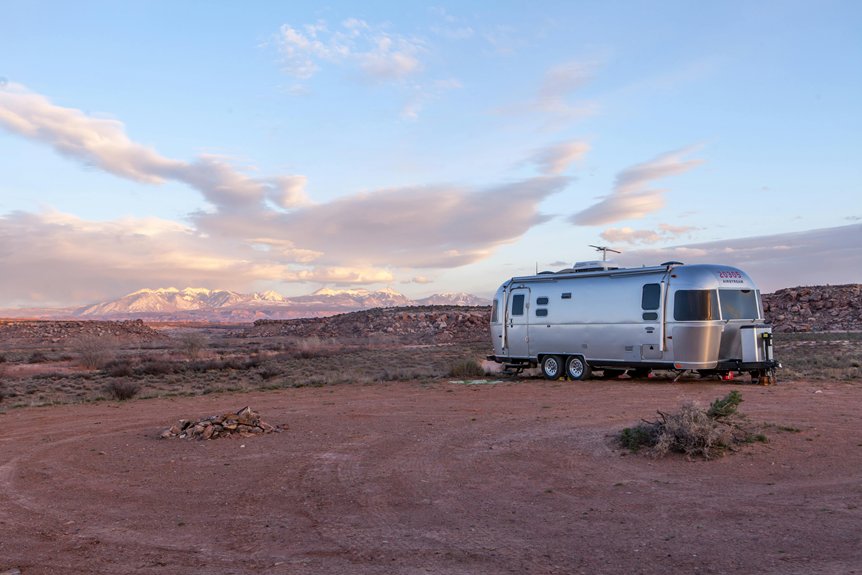
Boondocking, often referred to as dry camping, involves setting up your RV or tent in remote locations without amenities like water, electricity, or restrooms. It’s crucial to choose a suitable site, ideally on public lands, where you’re allowed to camp. Always check local regulations before arriving.
Prepare for self-sustainability by bringing enough water, food, and fuel for your trip. Additionally, familiarize yourself with waste disposal methods, so you leave no trace behind.
Embrace minimalism and learn to adapt, as this experience will push you to connect with nature in ways you never thought possible.
Benefits of Boondocking Camping
Boondocking camping offers a unique sense of freedom and adventure that traditional campgrounds simply can’t match. By venturing off the beaten path, you can discover stunning, secluded locations that immerse you in nature.
This experience not only allows for breathtaking views but also provides an opportunity to connect with the environment on a deeper level. You’ll enjoy greater privacy, as you’ll often be the only camper around.
Plus, boondocking can save you money since many spots are free or low-cost. It also encourages self-sufficiency, teaching you essential skills like resource management and navigation.
Ultimately, boondocking fosters a sense of adventure that can enrich your camping experiences and create lasting memories. Embrace the thrill of the unknown!
Essential Gear for Off-Grid Adventures
As you embrace the thrill of off-grid adventures, having the right gear can make all the difference in your experience.
Start with a reliable power source, like solar panels or a portable generator, to keep your devices charged. A high-quality water filtration system is essential for staying hydrated and healthy.
Don’t forget a sturdy camping stove or portable grill for cooking meals, along with durable cookware. A comfortable sleeping setup, including a sleeping bag rated for your climate, is vital for restful nights.
For navigation, bring a compass and detailed maps, as GPS may not always work. Finally, pack a first aid kit and multi-tool to handle any emergencies.
With this gear, you’ll be well-prepared for your off-grid journey!
Choosing the Perfect Boondocking Location
How do you find that perfect spot for your boondocking adventure? Start by researching public lands like National Forests and Bureau of Land Management areas, where you’ll often discover free camping options.
Use apps or websites that provide information on boondocking sites, including user reviews and photos, to pinpoint the best locations. Consider factors like proximity to water sources, scenic views, and accessibility to hiking trails.
Also, think about your vehicle’s size and capabilities; some areas may require high clearance or four-wheel drive. Finally, remember to check for any regulations or permits required for camping in your chosen location.
Safety Tips for Boondocking
Once you’ve found that ideal boondocking spot, keeping safety in mind is just as important as selecting the location. Always let someone know your plans and expected return time.
Invest in a reliable GPS and offline maps, as cell service can be spotty. Keep an eye on the weather; sudden storms can create hazards.
Secure your vehicle and belongings, as remote areas can attract thieves. Be aware of wildlife; store food properly and avoid direct encounters.
Carry a first aid kit and know basic first aid skills. Finally, trust your instincts—if something feels off, don’t hesitate to move to a different site.
Your safety should always be your top priority while enjoying the freedom of boondocking.
Sustainable Practices for Off-Grid Living
While embracing the freedom of off-grid living, you can adopt several sustainable practices that not only benefit the environment but also enhance your overall experience.
Start by utilizing solar panels or wind turbines for energy, reducing reliance on fossil fuels.
Practice water conservation by collecting rainwater and using low-flow fixtures.
Composting food scraps not only minimizes waste but also enriches your soil for gardening.
Choose biodegradable products to lessen your ecological footprint.
When it comes to transportation, consider biking or carpooling to minimize emissions.
Finally, respect nature by following Leave No Trace principles, ensuring you leave the area as you found it.
Resources and Communities for Boondockers
For those looking to enhance their boondocking experience, tapping into available resources and communities can make all the difference.
Start by exploring websites like iOverlander or Campendium, which offer user-generated information on free campsites, amenities, and road conditions.
Joining social media groups or forums dedicated to boondocking allows you to connect with fellow enthusiasts, share tips, and find locations others have loved.
Don’t forget to check out apps that help you locate water sources, dump stations, and rest areas.
Local outdoor stores often host meetups, providing opportunities to network and learn from others.