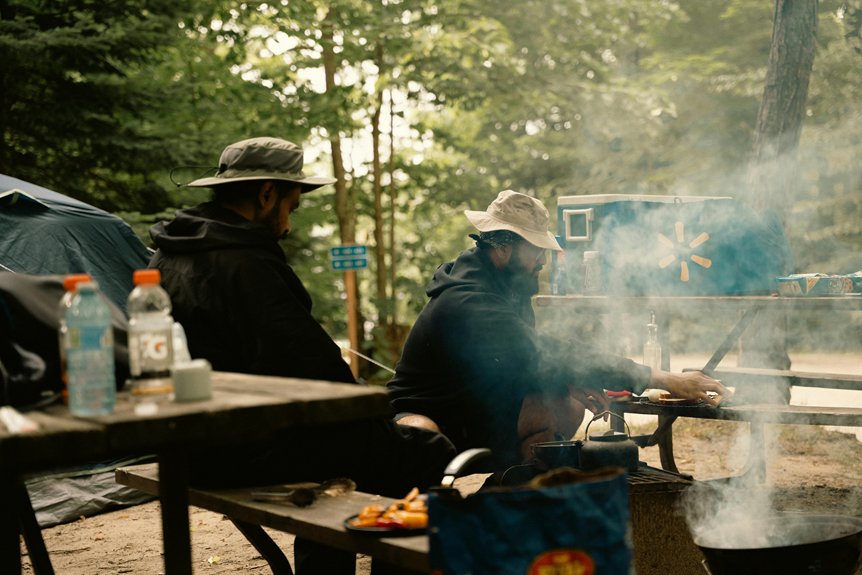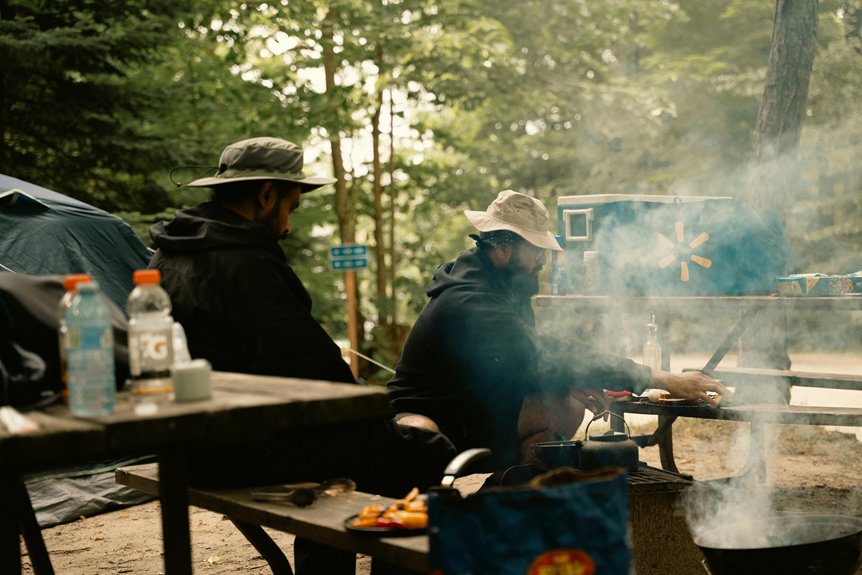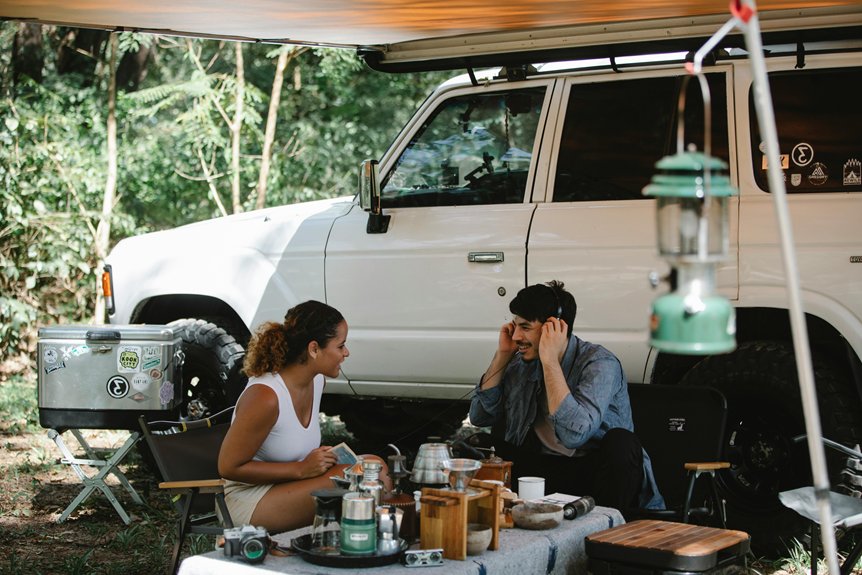
Boondock camping offers a unique way to escape the hustle and bustle of everyday life, allowing you to immerse yourself in nature’s beauty. This off-grid adventure encourages self-sufficiency and provides the thrill of discovering remote locations. With no established amenities, you’ll find freedom and solitude in the wild. Curious about what gear you’ll need or how to find the best spots? Let’s explore the essentials for your next boondocking journey.
Understanding Boondock Camping
Boondock camping, often referred to as dry camping or dispersed camping, gives you the chance to escape the crowds and immerse yourself in nature.
This style of camping takes you off the beaten path, away from established campgrounds, allowing for a unique experience where solitude reigns. You’ll typically set up camp in remote locations, such as national forests or Bureau of Land Management areas, which often don’t have amenities like water or restrooms.
Prior to heading out, you’ll want to plan your route and verify your vehicle is equipped for off-grid travel. Understanding these basics will help you embrace the adventure and spontaneity that boondock camping offers, making every trip a new exploration of the wild.
Benefits of Boondock Camping
Exploring the great outdoors without the constraints of established campgrounds opens up a world of benefits. You’ll experience true solitude, allowing you to connect deeply with nature and escape the hustle of daily life.
Boondock camping lets you choose your own adventure, whether it’s parking by a serene lake or nestled in the mountains. You’ll often find pristine environments, free from crowds, where you can hike, fish, or simply relax in peace.
Plus, it’s a fantastic way to save money—no campground fees to worry about! You’ll develop essential skills as you adapt to off-grid living, fostering a sense of independence and self-reliance.
Embrace the freedom and discover the beauty of the wild on your own terms!
Essential Gear for Boondock Camping
When venturing into the wild for boondock camping, having the right gear is vital for a successful and enjoyable experience.
Start with a reliable tent or camper to protect you from the elements. A sleeping bag rated for the season guarantees warmth during chilly nights. Don’t forget a portable stove or grill for cooking; it’ll make meal prep a breeze.
A good cooler keeps your food fresh, while a durable water jug provides hydration. Bring along a first-aid kit for emergencies and a multi-tool for various tasks.
Lighting is essential—consider headlamps or solar lanterns. Finally, pack a sturdy backpack to carry everything comfortably.
With the right gear, you’ll be ready to embrace the freedom of boondock camping.
Finding the Perfect Location
Finding the perfect location for your boondock camping adventure can make all the difference in your experience.
Start by exploring national forests, Bureau of Land Management (BLM) lands, or remote state parks, where you’ll find ample free camping options. Use apps and websites like Campendium or iOverlander to discover hidden gems and gain insights from fellow campers.
Consider your desired environment—whether it’s mountains, lakes, or desert—to match your preferences. Look for spots that provide privacy and stunning views, allowing you to fully immerse yourself in nature.
Finally, check regulations and accessibility to guarantee a smooth arrival. By choosing the right location, you’ll create unforgettable memories and enjoy the freedom that comes with boondock camping.
Safety Tips for Boondock Camping
While the allure of boondock camping draws many adventurers into the wilderness, staying safe should always be a top priority.
First, make sure to inform someone about your plans and estimated return; this way, someone will know if you need help. Always carry a first aid kit, and familiarize yourself with basic first aid techniques. Keep your gear organized and secure to avoid accidents.
When setting up camp, choose a level area away from potential hazards like falling branches or rising water. Invest in a reliable map and compass or GPS device, as mobile signals can be weak.
Finally, stay aware of your surroundings—wildlife encounters can happen, so know how to react if you spot any animals nearby. Enjoy your adventure safely!
Leave No Trace Principles
To guarantee that future generations can enjoy the beauty of nature just as you do, embracing the Leave No Trace principles is essential for every boondock camper.
Start by planning ahead and preparing for your trip, ensuring you stick to established paths and campsites. Always pack out what you pack in—trash, leftover food, and any gear you brought.
Respect wildlife by observing from a distance and never feeding them. Keep your campfire small and contained, and when it’s time to leave, restore the area to its natural state.
Popular Boondocking Destinations
Have you ever wondered where to find the best boondocking spots that offer stunning views and tranquility? The American Southwest is a treasure trove, with places like the Grand Canyon, where you can soak in breathtaking vistas.
Another gem is Utah’s Goblin Valley State Park, famed for its unique rock formations. If you’re drawn to the Pacific Northwest, check out Olympic National Park, where lush forests meet rugged coastlines.
For those seeking solitude, the vast expanses of Nevada’s BLM lands provide endless opportunities. Don’t overlook the serene beauty of the Florida Everglades, where wildlife abounds.
Each of these destinations invites you to embrace nature, offering the perfect backdrop for your off-grid adventures. Grab your gear and explore!
Planning Your Boondock Adventure
After pinpointing your ideal boondocking destination, the next step is to plan your adventure. Start by gathering essential gear, like a reliable map, GPS, and a first-aid kit.
Check local regulations to guarantee you’re allowed to camp in your chosen spot. It’s wise to scout for water sources and waste disposal options nearby.
Also, consider your vehicle’s capabilities; a rugged road might require a 4WD. Be sure to pack enough food, fuel, and supplies to last your stay.
Plan your itinerary, but leave room for spontaneity—some of the best experiences happen off the beaten path.
Finally, embrace the tranquility of nature; disconnect from technology and fully immerse yourself in the adventure. Happy boondocking!