Imagine the thrill of finding a hidden paradise, far from the hustle of civilization. Dry camping, or boondocking, invites you to embrace nature in its purest form, free from modern distractions. As you venture into remote areas with your RV or tent, you’ll discover not just breathtaking views but also a chance to cultivate self-sufficiency and adventure. What does this experience truly entail, and how can it transform your outdoor journeys?
Understanding Dry Camping: Definition and Overview
Dry camping, also known as boondocking, offers a unique way to connect with nature while escaping the hustle and bustle of everyday life. It involves camping in remote locations without access to amenities like water, electricity, or waste disposal.
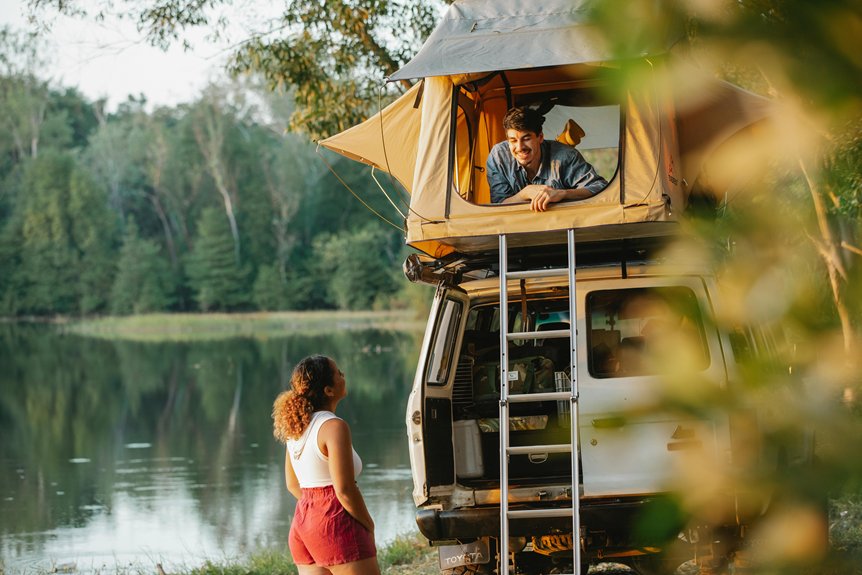
You’re not confined to crowded campgrounds; instead, you can park your RV or pitch your tent in scenic spots, often on public lands. Understanding dry camping means embracing minimalism and self-sufficiency.
You’ll rely on your resources, such as solar power and portable water tanks, to meet your needs. This experience can deepen your appreciation for the great outdoors, encouraging you to explore regions less traveled.
Benefits of Dry Camping for Outdoor Enthusiasts
Why should you consider dry camping on your next adventure? Embracing the simplicity of dry camping can enhance your outdoor experience in countless ways.
First, you’ll connect more deeply with nature, surrounded by stunning landscapes without the distractions of modern amenities. This immersion fosters a sense of peace and tranquility that rejuvenates your spirit.
Additionally, dry camping often leads to less crowded locations, allowing you to enjoy solitude and privacy. You’ll also save money, as many dry camping spots are free or low-cost.
Plus, it challenges you to be resourceful, honing your survival skills and deepening your appreciation for the great outdoors.
Step outside your comfort zone and experience the freedom and adventure that dry camping offers!
Essential Gear and Supplies for Dry Camping
When you embrace the freedom of dry camping, having the right gear and supplies can make all the difference in your experience.
Start with a reliable water filtration system to guarantee you stay hydrated. Pack non-perishable food items, a portable stove, and cooking utensils for delicious meals.
Don’t forget a quality sleeping bag and tent or RV essentials that provide comfort and protection from the elements. A powerful flashlight or headlamp is vital for maneuvering at night.
Bring along a first-aid kit for unexpected situations and a multi-tool for various tasks.
Finally, have a sturdy cooler to keep food fresh and a good map or GPS device to explore your surroundings.
With these essentials, you’re set for a memorable dry camping adventure!
Tips for a Successful Dry Camping Experience
To guarantee your dry camping adventure is both enjoyable and successful, planning ahead is key.
Start by choosing the right location; research sites that allow dry camping and check for any permit requirements.
Make a checklist of essential gear, ensuring you have enough water, food, and power sources.
Familiarize yourself with your RV or tent setup before you arrive, so you can settle in quickly.
Pack versatile clothing to adapt to changing weather, and don’t forget your favorite outdoor games and activities to keep spirits high.
Finally, connect with fellow campers; sharing stories and tips can elevate your experience.
Embrace the adventure, and remember, every moment spent in nature is a chance to recharge your spirit!
Environmental Considerations and Leave No Trace Principles
As you venture into the great outdoors for your dry camping experience, keeping environmental considerations in mind is essential for preserving the beauty of nature.
Embrace the Leave No Trace principles: plan ahead, stick to established trails, and camp at least 200 feet from water sources. Pack out everything you bring, including food scraps and waste, to minimize your impact.
Respect wildlife by observing from a distance and never feeding them. Use biodegradable soap for washing dishes and avoid disturbing natural habitats.
When building a campfire, use existing fire rings and keep it small.