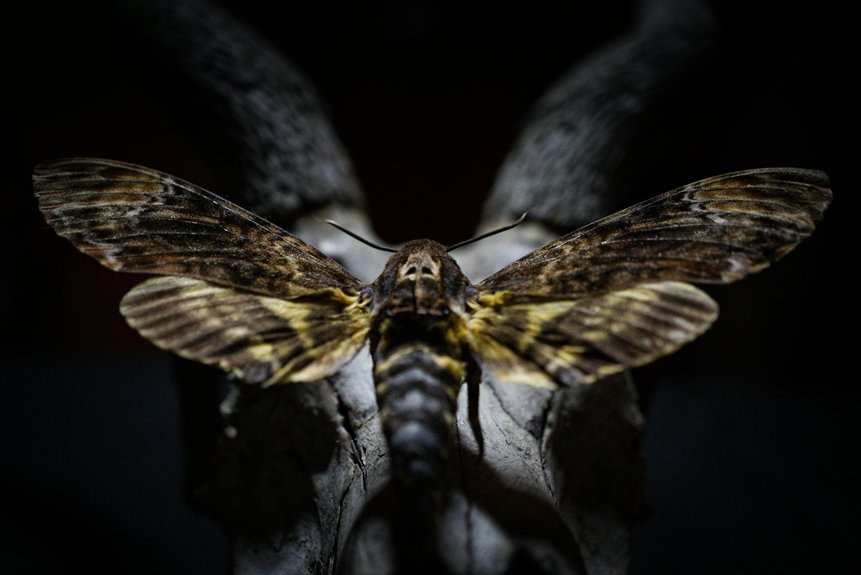
It’s interesting how you might spot a tent caterpillar right before it transforms into something entirely different. These creatures undergo a remarkable metamorphosis, turning from voracious leaf-eaters into delicate moths. As you observe their journey, you’ll discover the intricate stages they go through, each one filled with wonder. What happens inside that cocoon? The answer reveals more than just a change in appearance; it uncovers the role these moths play in our ecosystem.
The Life Cycle of Tent Caterpillars
As spring arrives and temperatures rise, you might notice the telltale signs of tent caterpillars making their presence known.
These fascinating creatures begin their life cycle as tiny eggs laid in clusters on tree branches during late summer. Once the eggs hatch in early spring, the caterpillars emerge, ready to munch on leaves.
You’ll see them forming silky tents in trees, where they gather for warmth and protection. As they grow, they shed their skin several times, a process called molting.
This feeding frenzy lasts for weeks, allowing them to store energy before entering the next phase of their life cycle. Keep an eye on them; their transformation is a remarkable part of nature’s rhythm.
The Cocoon Stage
Once the caterpillars have finished their feeding frenzy and grown to their full size, they begin to seek out a safe place to undergo the next vital phase of their transformation: the cocoon stage.
During this period, you’ll find them spinning silk, meticulously crafting a protective covering. This cocoon, often found nestled among leaves or hidden in crevices, serves as a sanctuary from predators and environmental threats.
Inside, the caterpillar undergoes remarkable changes, its body breaking down to form a moth. This stage, which can last several weeks, is a vulnerable yet vital time.
As the caterpillar rests within its silk fortress, it’s preparing for the grand emergence that will ultimately transform it into a beautiful moth.
Emergence of the Moth
After weeks of transformation inside their silk cocoons, the moment of emergence finally arrives for the tent caterpillars.
As you watch, the thin silk begins to tremble, signaling the struggle within. Suddenly, a delicate moth pushes through, its wings crumpled and damp.
You can almost feel the anticipation in the air as the moth unfurls its wings, slowly expanding them in a graceful display. The colors, often vivid and intricate, reveal themselves in the sunlight, a stark contrast to the muted tones of the cocoon.
This delicate creature, once a caterpillar, now flutters cautiously, testing its newfound abilities. With each movement, it prepares to take flight, ready to embrace its role in the world beyond the cocoon.
The Role of Moths in the Ecosystem
While you may admire the beauty of moths flitting around your garden at dusk, their role in the ecosystem is far more profound than mere aesthetics.
Moths serve as essential pollinators, helping plants reproduce by transferring pollen from flower to flower during their nighttime foraging. This activity supports biodiversity and contributes to the health of various ecosystems.
Additionally, moths are an important food source for many predators, including birds, bats, and small mammals, maintaining the balance of food webs. Their presence indicates a healthy environment, as they thrive in clean habitats.
Moths also contribute to nutrient cycling, as their decomposing bodies enrich the soil. Appreciating these unsung heroes can deepen your understanding of nature’s interconnectedness.
Fascinating Facts About Tent Caterpillars and Moths
Moths and their larvae, like tent caterpillars, are fascinating creatures that play essential roles in the ecosystem.
Did you know that tent caterpillars can consume up to 10 times their body weight in leaves? This voracious appetite helps shape local vegetation.
As you observe these caterpillars, notice their striking coloration—often adorned with bold patterns that serve as camouflage against predators.
Once they pupate, they undergo a remarkable transformation into moths, emerging typically in spring.
Moths, in turn, are important pollinators, supporting the growth of many plants. Their nocturnal habits attract fascinating nocturnal predators, adding to the circle of life.