Camping can be a revitalizing escape from daily life, but it’s vital to be prepared, especially if you’re a first-timer. With the right gear, you can guarantee a comfortable and enjoyable experience in the great outdoors. From choosing the perfect tent to packing cooking supplies, each item plays an important role in your adventure. So, what exactly should you include in your packing list to make your trip successful? Let’s explore the essentials.
Essential Camping Gear Checklist
When you set out for an adventure in the great outdoors, having the right gear can make all the difference.
First, pack a sturdy backpack to carry your essentials. You’ll need a reliable sleeping bag, suitable for the season, and a sleeping pad for comfort.
Don’t forget a portable stove or cooking gear to whip up meals, along with utensils and a mess kit. Hydration is key, so bring a durable water bottle or hydration system.
A first-aid kit is essential for handling minor injuries. Also, pack a flashlight or headlamp for nighttime visibility.
Finally, include appropriate clothing layers, a hat, and sturdy footwear to keep you comfortable on your journey.
With this checklist, you’re set for an unforgettable camping experience!
Choosing the Right Tent
A good camping trip hinges on having the right tent to protect you from the elements and provide a comfortable space to rest.
Start by considering the size; it should comfortably fit you and your gear. Look for a tent that’s easy to set up, especially if you’ll be doing it alone.
Material matters too; choose a waterproof fabric with good ventilation to keep you dry and comfortable.
Think about your camping environment—are you in a warm area or a cooler climate? That’ll help determine if you need a three-season or four-season tent.
Finally, don’t forget about weight if you’re hiking to your site; a lightweight tent can make your journey much easier.
Happy camping!
Sleeping Bags and Sleeping Pads
Choosing the right sleeping bag and sleeping pad can make all the difference in your camping experience. First, consider the temperature rating of your sleeping bag; it should match the conditions you’ll face. A three-season bag is versatile for spring, summer, and fall. Look for lightweight materials and good insulation to keep you warm without adding bulk.
Next, invest in a quality sleeping pad. It provides cushioning and insulation from the cold ground. Options range from air pads to foam pads, so choose one that suits your comfort preferences and space needs.
A self-inflating pad offers convenience, while a closed-cell foam pad is durable and lightweight. Together, a sleeping bag and pad will guarantee restful nights under the stars.
Cooking Supplies for Campfires
After settling in for the night with a cozy sleeping bag and pad, it’s time to think about what you’ll cook over the campfire.
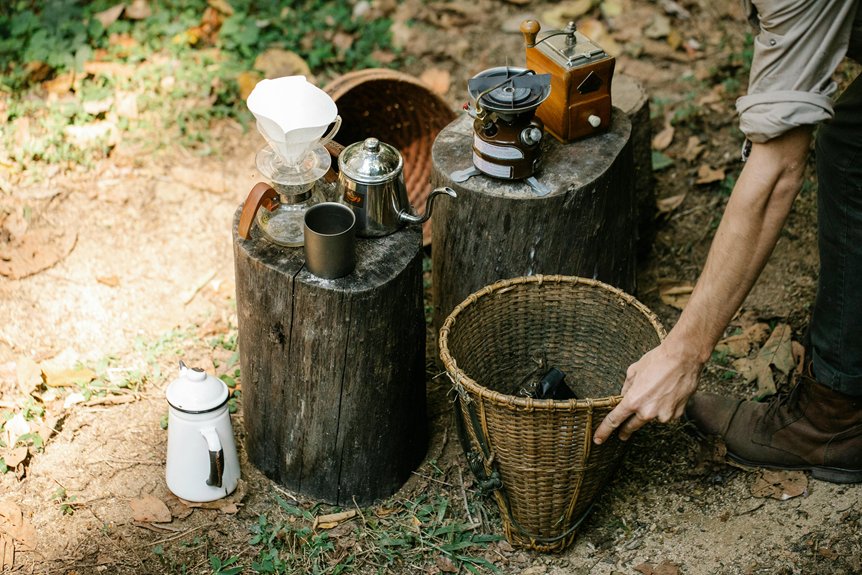
Start with a sturdy cooking grate to hold your pots and pans securely above the flames. A durable cast-iron skillet is perfect for frying and sautéing, while a pot can be handy for boiling water or making stews.
Don’t forget long-handled utensils to keep your hands safe from the heat. A heat-resistant spatula and tongs will make flipping and serving a breeze.
If you’re planning to grill, invest in a portable camp grill.
Finally, always pack a lighter or waterproof matches to get your fire going. With these supplies, you’ll be ready to whip up delicious meals under the stars!
Food and Water Storage
Since keeping your food and water safe is essential for a successful camping trip, investing in quality storage solutions is a must.
Start with a durable, insulated cooler for perishable items like meats and dairy; this helps maintain freshness and prevents spoilage. For dry goods, opt for airtight containers to keep out moisture and pests.
Don’t forget a reliable water jug or collapsible water container, ensuring you have enough hydration for the trip. It’s also wise to pack a portable filtration system or purification tablets in case you need to source water from natural bodies.
Finally, consider using resealable bags for snacks and leftovers, which are lightweight and easy to pack.
With the right storage, you’ll enjoy fresh meals and stay hydrated throughout your adventure.
Clothing and Footwear Recommendations
When planning your camping trip, selecting the right clothing and footwear can make all the difference in your comfort and enjoyment.
Opt for moisture-wicking, breathable fabrics like polyester or merino wool for your base layers. Layering is key; pack a warm fleece or insulated jacket for chilly evenings. Don’t forget a waterproof and windproof outer layer to protect against the elements.
For bottoms, quick-drying pants are ideal, especially if you plan on hiking. Choose sturdy, comfortable footwear; hiking boots or shoes with good traction are essential for maneuvering uneven terrain.
Don’t overlook accessories like a wide-brimmed hat and UV-protective sunglasses. Finally, pack enough socks and underwear to stay fresh throughout your adventure!
Safety and First Aid Essentials
Safety should be a top priority on any camping trip, and having the right first aid essentials can make all the difference. Start by packing a thorough first aid kit, including adhesive bandages, antiseptic wipes, gauze, and medical tape.
Don’t forget pain relievers, like ibuprofen or acetaminophen, and any personal medications you might need. A pair of tweezers can help remove splinters, while scissors are handy for cutting tape or gauze.
It’s also wise to include a cold pack for swelling and an emergency blanket for warmth. Finally, consider a whistle and a flashlight for signaling in case of emergencies.
Being prepared guarantees you can handle minor injuries and focus on enjoying your adventure!
Navigational Tools and Technology
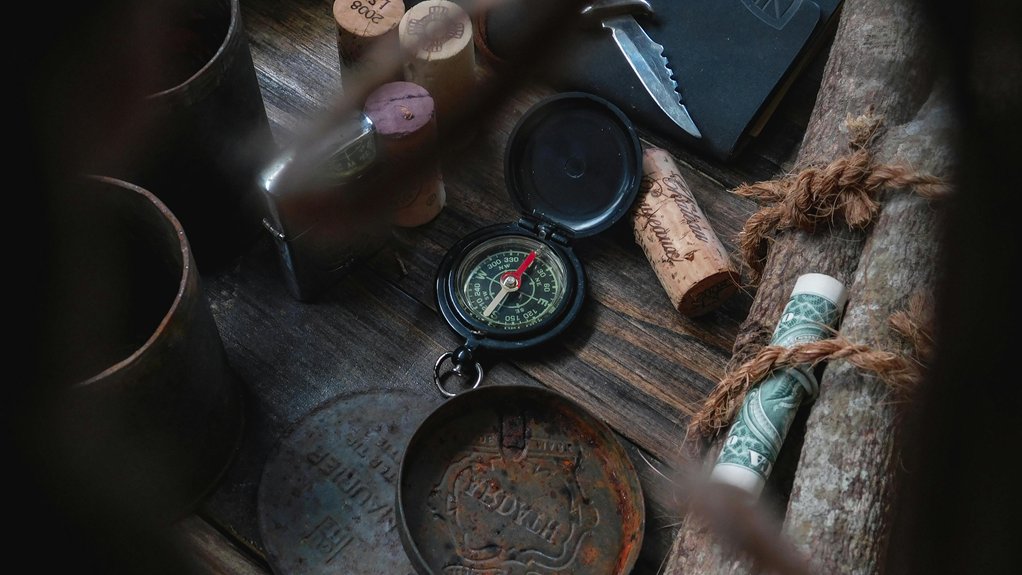
While you’re focused on safety and first aid, don’t overlook the importance of navigational tools and technology for a successful camping trip. A reliable map and compass are essential, even if you prefer modern gadgets. Familiarize yourself with their use; they can help you stay oriented when technology fails.
A GPS device or a smartphone app can provide precise locations, but always have a backup plan. Consider downloading offline maps in case you lose signal. A portable power bank can keep your devices charged, ensuring you stay connected.
Finally, a lightweight, foldable guidebook about local trails can enhance your exploration. With the right navigational tools, you can confidently venture into the wild and enjoy your camping experience to the fullest!