When you head out for a camping trip, prioritizing safety is key to ensuring a fun experience. You need to be aware of fire safety, understand the weather, and take precautions against wildlife. It’s also essential to have a first aid kit on hand and know some basic emergency procedures. But that’s just the beginning. Let’s explore each aspect of camping safety in detail to help you prepare for your next adventure.
Understanding Fire Safety
When you’re out in the wild, understanding fire safety is essential to enjoy your camping experience without mishaps.
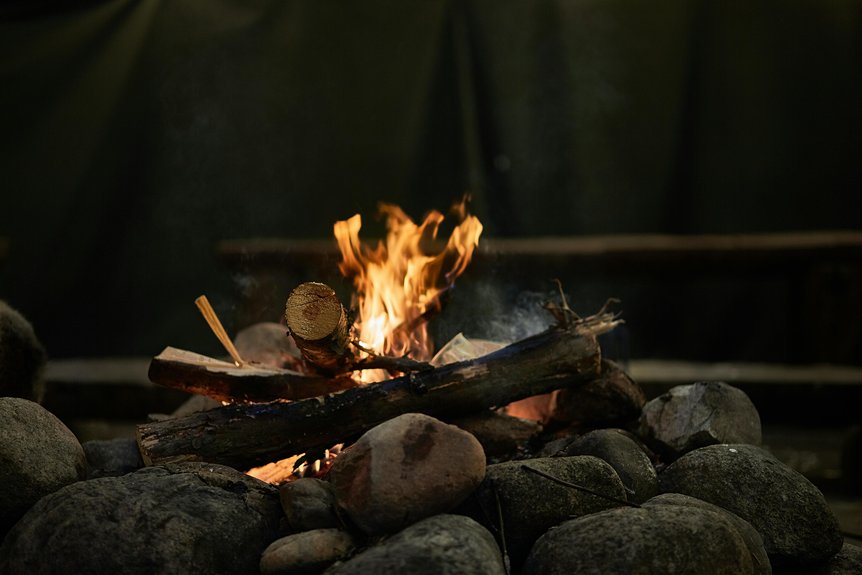
Always choose a designated fire pit and keep it away from overhanging branches. Before lighting a fire, check wind conditions to prevent sparks from spreading. Use dry, seasoned wood and never burn trash or plastics.
Keep a bucket of water or dirt nearby to extinguish the fire completely. When you’re done, douse the fire until it’s cold to the touch. Always monitor the fire closely—never leave it unattended.
If you notice dry conditions, consider skipping the fire altogether. By following these fire safety guidelines, you’ll protect yourself, fellow campers, and the beautiful environment around you.
Happy camping!
Preparing for Weather Conditions
After ensuring your fire safety practices are in place, it’s time to think about the weather conditions you might encounter while camping.
First, check the forecast before you head out. Knowing what to expect helps you pack appropriately. Bring layers, including moisture-wicking base layers and insulating outerwear, to adapt to changing temperatures.
Don’t forget a waterproof jacket and sturdy footwear to keep dry.
If you’re camping in a region prone to storms, set up your tent in a safe spot, away from trees that might fall. Always have a plan for seeking shelter if severe weather hits.
Finally, consider packing a weather radio or downloading a reliable weather app to stay updated while you’re out in nature.
Wildlife Precautions
While enjoying the great outdoors, it’s important to be aware of the wildlife around you. Keep food stored in bear-proof containers or hung high in trees to avoid attracting animals. Make certain to dispose of trash properly to prevent unwanted visitors.
When hiking, stay on marked trails and make noise to alert wildlife of your presence. If you encounter an animal, remain calm and back away slowly; don’t approach or feed them. Familiarize yourself with the local fauna, including which animals may be dangerous.
Also, consider carrying bear spray for added safety. Finally, keep your campsite tidy and free of food scraps to minimize risks. Respecting wildlife helps guarantee both your safety and the well-being of the creatures around you.
First Aid and Emergency Preparedness
Understanding wildlife precautions lays the groundwork for a safe camping experience, but being prepared for emergencies is just as essential.
Start by packing a first aid kit that includes band-aids, antiseptic wipes, tweezers, and pain relievers. Familiarize yourself with basic first aid procedures, like how to treat cuts or sprains.
Also, know how to contact emergency services or locate the nearest hospital, even in remote areas. Carry a whistle and a flashlight to signal for help, especially at night.
Keep a fully charged phone and a portable charger handy. Finally, consider taking a first aid and CPR class before your trip.
Being prepared can make a significant difference when unexpected situations arise, ensuring you and your companions stay safe.
Campsite Etiquette and Leave No Trace Principles
When you venture into the great outdoors, practicing good campsite etiquette and adhering to Leave No Trace principles is essential for preserving nature and ensuring everyone enjoys their experience.
Always set up your campsite at least 200 feet away from water sources to protect wildlife and keep the area clean. Respect other campers by keeping noise levels down and being mindful of their space.
Dispose of waste properly—pack out what you pack in, including food scraps. Use established trails to minimize your impact on vegetation.
If you build a fire, keep it small and only use dead and downed wood. Finally, leave nature as you found it, taking only memories and leaving no trace behind.
Happy camping!
Gear and Equipment Safety
Before you hit the trails, it’s essential to guarantee your gear and equipment are safe and in good working order. Start by checking your tent for tears or broken poles, ensuring it can withstand the elements.
Inspect your sleeping bag to confirm it’s clean and free of damage. Don’t forget your cooking equipment; verify that your stove functions properly and your fuel is adequate.
When packing, keep a first aid kit handy, and make certain it’s stocked with necessary supplies. Also, check your navigation tools—such as maps or GPS—are up to date.
Finally, securely store all equipment to prevent accidents. By guaranteeing your gear is safe, you’ll enjoy a worry-free camping experience.