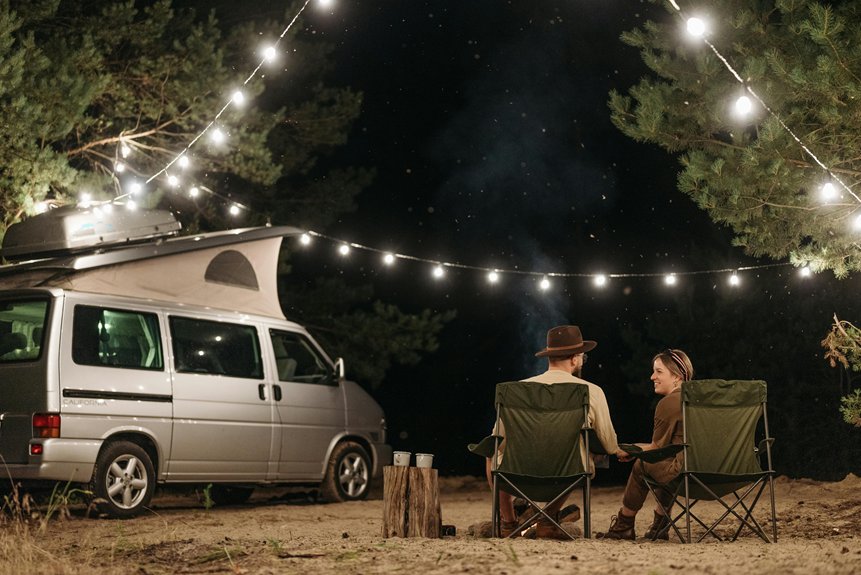
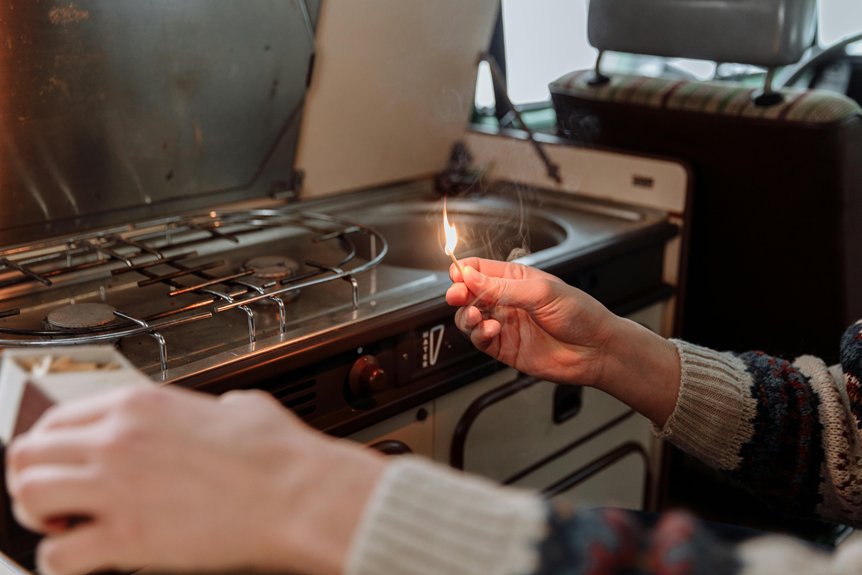
Camping in cold weather can feel like stepping into a frigid embrace, but with the right strategies, you can turn that chill into a cozy adventure. It all starts with choosing the right gear and making smart choices that keep your body warm. From selecting a four-season tent to dressing in layers, every decision impacts your comfort. So, what are the essential steps to guarantee you stay warm and enjoy the great outdoors? Let’s explore.
Choose the Right Tent for Cold Weather
When you’re gearing up for a cold-weather camping trip, selecting the right tent can make all the difference in staying warm and comfortable.
Look for a four-season tent designed to withstand harsh conditions; these tents feature stronger materials and better insulation. Make sure it has a low profile to resist wind and minimize heat loss.
A tent with a rainfly and vestibule also helps protect against moisture, keeping you drier and warmer. Pay attention to the size; a snug fit retains heat better than a spacious one.
Ventilation is key, too; choose a tent with adjustable vents to reduce condensation while maintaining warmth inside.
With the right tent, you’ll create a cozy haven amidst the chill of the great outdoors.
Insulate Your Sleeping Area
To guarantee a warm and cozy night’s sleep while camping in cold weather, insulating your sleeping area is essential.
Start by using an insulated sleeping pad; it acts as a barrier against the cold ground. If you have extra space, consider layering two pads for even more warmth.
A thick sleeping bag rated for low temperatures will keep you toasty, so choose one that suits your climate. Don’t forget to add a sleeping bag liner for added insulation.
You can also place blankets or a thick tarp underneath your sleeping pad for extra cushioning and warmth.
Finally, use your gear creatively—stuff extra clothes or gear into your sleeping bag for insulation.
These simple steps will greatly enhance your sleeping comfort in chilly conditions.
Dress in Layers for Maximum Warmth
Dressing in layers is essential for staying warm while camping in cold weather, as it allows you to adapt to changing temperatures throughout the day.
Start with a moisture-wicking base layer to keep sweat away from your skin; this helps prevent chills. Next, add an insulating layer, like fleece or down, to trap heat.
Finally, top it off with a waterproof and windproof outer layer to shield yourself from the elements. Don’t forget to wear a warm hat, gloves, and thick socks, as a lot of body heat escapes through your extremities.
If you start to feel too warm, you can easily remove a layer. This flexibility helps you stay comfortable, no matter what the weather throws at you.
Select the Best Sleeping Bag
Choosing the right sleeping bag is essential for a comfortable night’s sleep in the great outdoors, especially when temperatures drop. When selecting a bag, consider the temperature rating—ensure it’s suitable for the coldest conditions you expect.
Look for insulation type; down is lightweight and compressible but loses warmth when wet, while synthetic materials retain heat better in damp conditions.
Pay attention to the bag’s shape; mummy bags hug your body for increased warmth, while rectangular bags offer more space but can be drafty.
Don’t forget about features like draft collars, hoods, and zippers.
Finally, check the weight and packability if you’re backpacking. A well-chosen sleeping bag can make all the difference in your cold-weather camping experience.
Utilize Heat Sources Safely
While you enjoy the great outdoors, utilizing heat sources safely can make a significant difference in your comfort and safety during cold nights.
Always choose a well-ventilated area for any heat source, especially when using propane heaters or camp stoves. Carbon monoxide is a serious risk, so keep a battery-operated detector handy.
If you’re using a campfire, build it in a designated fire pit and maintain a safe distance from your tent and gear.
Use heat packs or warm rocks to cozy up your sleeping bag, but avoid direct contact to prevent burns.
Finally, always extinguish your heat sources completely before sleeping or leaving the area.
Safety first guarantees you can enjoy your adventure without worry!
Stay Hydrated and Nourished
Staying hydrated and nourished is essential for maintaining your energy levels and overall well-being while camping, especially in cold weather when your body can lose heat more rapidly.
Make it a priority to drink plenty of fluids, even if you don’t feel thirsty. Warm drinks, like herbal tea or hot chocolate, can be particularly comforting and hydrating.
Carry lightweight, nutrient-dense snacks such as nuts, dried fruits, and energy bars to keep your energy up. Eating regular meals helps regulate your body temperature, so opt for hearty, warm foods like soups and stews, which are easy to prepare and satisfying.
Create a Windbreak Around Your Campsite
To keep warm during chilly nights, creating a windbreak around your campsite can make a significant difference.
Start by evaluating the natural landscape—look for trees, bushes, or rocks that can help block the wind. If you’re in an open area, consider stacking logs or using your gear, like backpacks or tents, to form a barrier.
Position your cooking area and sleeping spot in the sheltered zone to maximize warmth. Additionally, you can use a tarp to create a more effective windbreak; just make sure it’s anchored securely.
Remember, the goal is to minimize exposure to cold winds, allowing you to retain body heat and enjoy a more comfortable camping experience.
Stay cozy and enjoy the great outdoors!
Plan Activities to Keep Moving and Warm
Engaging in activities that keep you moving is essential for staying warm during your camping trip. Plan fun, active outings like hiking, snowshoeing, or even a friendly game of tag with your camping buddies.
These activities not only get your blood pumping but also create lasting memories. If you’re stuck at camp, consider setting up a scavenger hunt or challenge each other to build the best snowman.
Cooking meals can also be a great way to stay active; try prepping your ingredients, chopping veggies, or gathering firewood.