When it comes to packing food for camping, it’s crucial to prioritize safe storage and thoughtful meal planning. You’ll want to reflect on how to keep your food fresh and easily accessible during your trip. From choosing the right foods to effective packing techniques, every detail matters. With the right approach, you can enjoy delicious meals without the hassle. Ready to explore the best strategies for a successful camping menu?
Choosing the Right Foods for Camping
When you’re planning a camping trip, choosing the right foods can make all the difference in your experience.
Opt for non-perishable items like nuts, dried fruits, and granola bars for easy snacks. Canned goods and vacuum-sealed meals can provide hearty options without the risk of spoiling.
Don’t forget to include fresh fruits and veggies that can withstand a few days without refrigeration, such as apples and carrots. If you’re bringing perishables, pack them in a sturdy cooler with ice packs to keep them fresh.
Also, consider your cooking equipment and skills; choose foods that align with what you can easily prepare.
Meal Planning Strategies for Campers
While planning meals for your camping trip, it’s essential to contemplate both nutrition and convenience. Start by creating a meal schedule, outlining breakfast, lunch, and dinner for each day.
Choose recipes that require minimal ingredients and prep time. Think about one-pot meals or foil packet dinners that cut down on cleanup. Consider dietary preferences and pack a variety of proteins, grains, and vegetables to keep meals balanced.
Pre-assemble ingredients when possible, like marinating meats or chopping veggies, to save time at the campsite. Don’t forget to include snacks for energy during hikes.
Finally, account for food storage needs and make sure to pack everything securely to avoid spoilage. This way, you’ll enjoy delicious, hassle-free meals under the stars!
Essential Camping Cooking Gear
Packing the right cooking gear can make a world of difference on your camping trip. Start with a reliable portable stove or campfire grill to cook meals efficiently.
Don’t forget lightweight cookware, like pots and pans, which are easy to pack and heat evenly. Bring utensils, including spatulas and tongs, as well as a sturdy cutting board for meal prep. A multi-tool or knife is essential for various tasks, from slicing veggies to opening cans.
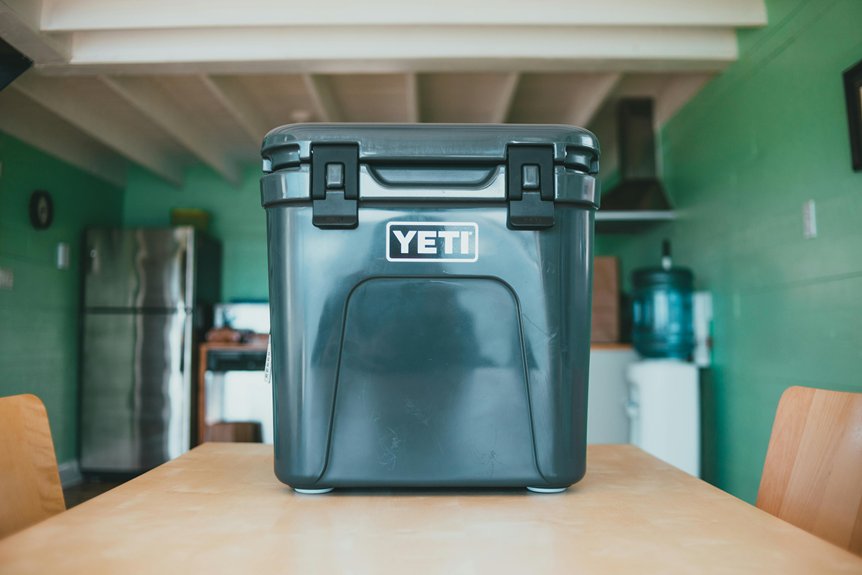
For serving, pack reusable plates and utensils to minimize waste. Finally, consider a compact cooler or insulated container for perishables.
With the right gear, you’ll whip up delicious meals and enjoy your outdoor adventure to the fullest!
Safe Food Storage Techniques
To guarantee your food stays fresh and safe during your camping trip, it’s essential to use proper storage techniques.
Start by choosing airtight containers to keep moisture and pests out. For perishable items, invest in a quality cooler with ice packs to maintain a consistent temperature.
Always store food away from your sleeping area to prevent unwanted critters. Label your containers with contents and dates to keep track of freshness.
If you’re cooking, use separate containers for raw meat and other foods to avoid cross-contamination.
Finally, consider using insulated bags for snacks and easy access during your adventures.
Packing Perishable and Non-Perishable Items
When you’re getting ready for a camping trip, knowing how to pack both perishable and non-perishable items can make all the difference in your meal planning.
Start with non-perishables like canned goods, pasta, and rice. These are sturdy, lightweight, and won’t spoil. Pack them in a dedicated container to keep things organized.
For perishables, focus on items like fresh fruits, vegetables, dairy, and meats. Use coolers with ice packs to maintain their temperature. Guarantee you keep raw meats separate from other foods to avoid cross-contamination.
Don’t forget to check the expiration dates and choose items that’ll last throughout your trip. By balancing your selections, you can enjoy fresh meals while minimizing potential waste.
Happy camping!
Tips for Keeping Food Fresh
Keeping your food fresh during a camping trip is key to enjoying delicious meals and staying safe. Start by packing perishable items in a high-quality cooler with ice packs. Layer ice packs between your food to maintain a consistent temperature.
Use airtight containers to keep moisture out and prevent spoilage. When you’re not cooking, keep the cooler closed as much as possible to retain the cold air.
Store dry goods in a cool, dark place away from direct sunlight. Opt for vacuum-sealed items when possible, as they last longer.
Always check expiration dates before your trip and prioritize consuming foods that spoil quickly. By following these tips, you’ll guarantee your meals stay fresh and tasty throughout your adventure.
Preparing Food Ahead of Time
Preparing food ahead of time can make your camping experience much more enjoyable and stress-free. Start by planning your meals and creating a detailed shopping list. This helps guarantee you bring only what you need.
Pre-cook and portion out meals, like chili or pasta, and store them in freezer bags. Freeze them before your trip; they’ll keep your cooler cold and thaw by meal time. Chop vegetables and marinate proteins, then pack them in labeled containers for easy access.
Consider making breakfast items like overnight oats or granola bars in advance. Don’t forget to pack snacks like trail mix or energy bars for quick bites. This preparation not only saves time at the campsite but also enhances your overall outdoor experience.
Eco-Friendly Food Packing Solutions
Packing food for camping can be both convenient and eco-friendly. To minimize waste, consider using reusable containers made from glass or stainless steel instead of single-use plastics.
Beeswax wraps are a fantastic alternative to plastic wrap, keeping your food fresh while reducing environmental impact. For dry goods, opt for cloth bags or biodegradable options instead of plastic bags.
When it comes to utensils, bring your own reusable cutlery and plates to cut down on disposables. Don’t forget to pack a compostable trash bag for any waste you generate.
Easy and Delicious Camping Recipes
When you’re out in the great outdoors, nothing beats the joy of sharing a delicious meal around the campfire. For an easy dinner, try foil packet meals: just toss chopped veggies, your choice of protein, and seasonings into aluminum foil, seal it up, and cook over the fire.
Breakfast can be simple too—bring along pre-made pancake batter in a squeeze bottle; just pour it on a hot griddle.
For a sweet treat, don’t forget s’mores! Pack graham crackers, chocolate, and marshmallows for a classic campfire dessert.
Finally, consider a hearty trail mix with nuts, dried fruit, and dark chocolate for quick snacks on hikes. With these recipes, you’ll savor every moment of your camping adventure!
Managing Food Waste While Camping
While enjoying the great outdoors, it’s essential to manage food waste to minimize your impact on the environment. Start by planning meals carefully, ensuring you only pack what you’ll eat.
Use reusable containers to store leftovers, and try to consume perishable items first. Composting is a great option for vegetable scraps, while packaging waste should be packed out—never left behind.
Bring a small trash bag to collect any waste, and encourage your camping buddies to do the same. If you have excess food, consider sharing with fellow campers.
Finally, educate yourself on local wildlife; feeding them can harm their natural instincts. By being mindful, you’ll help preserve nature while enjoying your camping adventure.