When planning your camping trip, figuring out how much water to bring is essential for staying hydrated. You’ll need to take into account your activity level, the climate, and the length of your trip. A day hike typically requires about 2 liters, but that number changes for multi-day outings. Understanding your specific hydration needs can make all the difference in your outdoor experience. So, how do you determine the right amount for your adventure?
Understanding Your Hydration Needs
When you’re planning a camping trip, understanding your hydration needs is essential for both safety and enjoyment. Water is vital for regulating body temperature, maintaining energy levels, and preventing dehydration.
Generally, you should aim for about half a gallon (2 liters) of water per day, but this can vary based on your activity level and the climate. If you’re hiking or engaging in strenuous activities, you might need more.
Always consider the availability of water sources nearby and how you’ll treat or purify it. Don’t forget to pack extra water for cooking and cleaning.
Staying hydrated keeps you alert and energized, allowing you to fully enjoy your outdoor adventure without the risk of fatigue or heat-related issues.
Factors Influencing Water Consumption
Several factors can greatly influence how much water you need while camping. First, consider the climate; hot and dry conditions can increase your hydration requirements.
Next, think about your activity level. If you’re hiking or engaging in strenuous activities, you’ll sweat more and need additional water.
Your body size also matters; larger individuals typically require more fluids.
Additionally, the type of food you eat affects hydration. High-protein or salty meals can lead to increased water consumption.
Finally, your overall health, including any medical conditions, plays a role. If you’re feeling unwell or dehydrated before your trip, be sure to account for additional water needs.
General Guidelines for Water Intake
To guarantee you stay properly hydrated while camping, it’s essential to follow some general guidelines for water intake. Aim to drink at least two liters of water daily, but remember that your needs may vary based on activity level, weather, and personal health.
Start your day with a glass of water, and keep sipping throughout your hikes or activities. If you’re sweating excessively, increase your intake to replenish lost fluids.
It’s also smart to carry an extra liter for cooking and cleaning. Pay attention to your body; signs of dehydration include thirst, dizziness, and dark urine.
Estimating Water Requirements for Different Trip Lengths
Understanding how much water to bring on your camping trip requires considering the length of your stay and your specific activities.
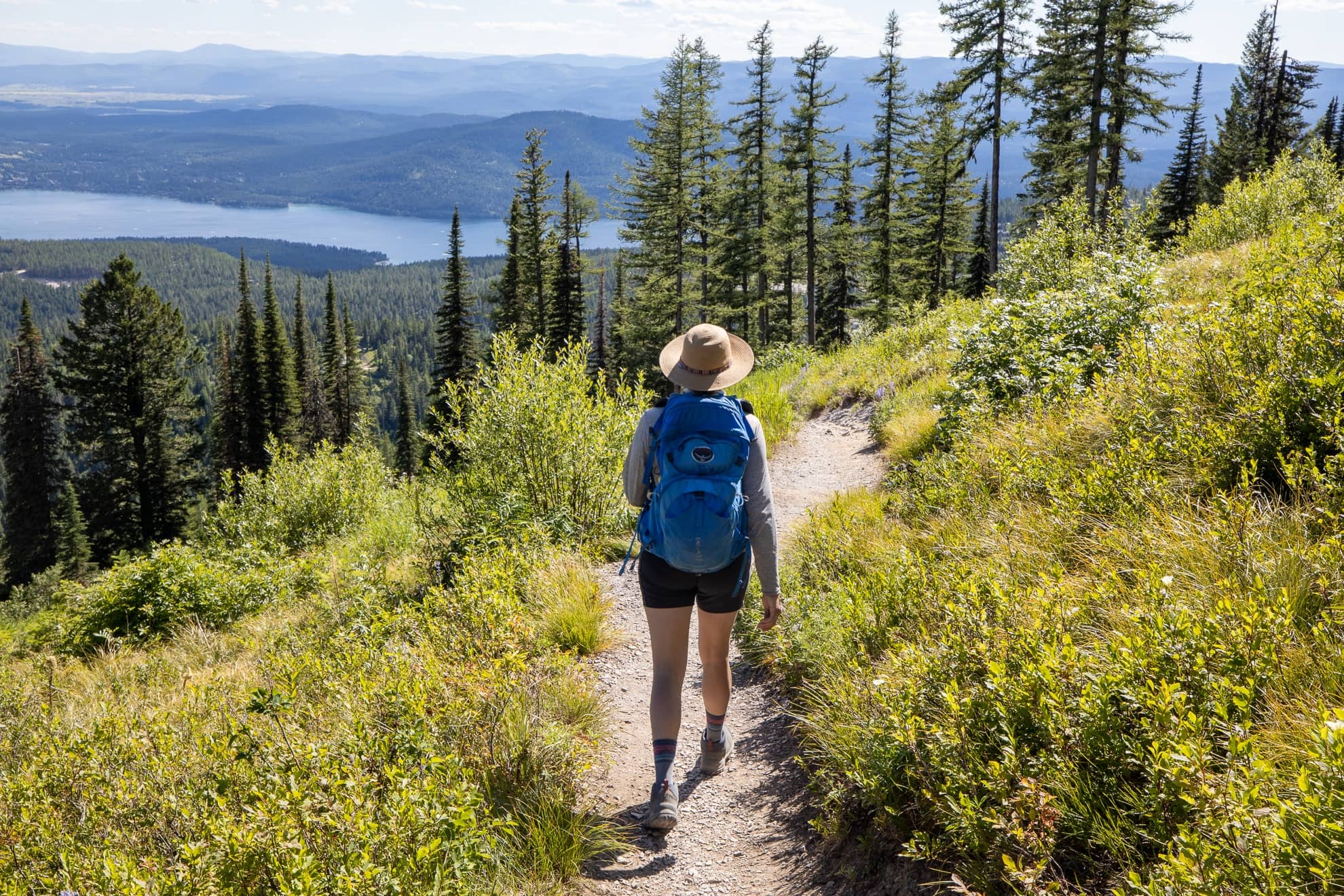
For a day hike, aim for about 2 liters per person, especially if it’s hot or strenuous. If you’re camping for two to three days, plan for at least 3 liters per day. This guarantees you stay hydrated during hiking or cooking.
For longer trips, like a week, you should increase your intake to about 4 liters daily, factoring in activities like fishing or swimming, which can increase your water needs.
Always remember to adjust based on your personal hydration needs, local climate, and any activities that might require extra fluid intake.
Stay hydrated, and enjoy your adventure!
Tips for Efficiently Packing Water
Packing water efficiently is essential for a successful camping trip. Start by using collapsible water containers, which save space when empty. Aim for lightweight, durable bottles that fit snugly in your gear.
When possible, group your water containers together to maintain balance in your pack. Consider packing a hydration bladder; it allows for easy access and hands-free drinking.
If you’re hiking, always fill up before long stretches without water sources. To maximize space, pack your water alongside other gear, but keep it separate from food to avoid contamination.
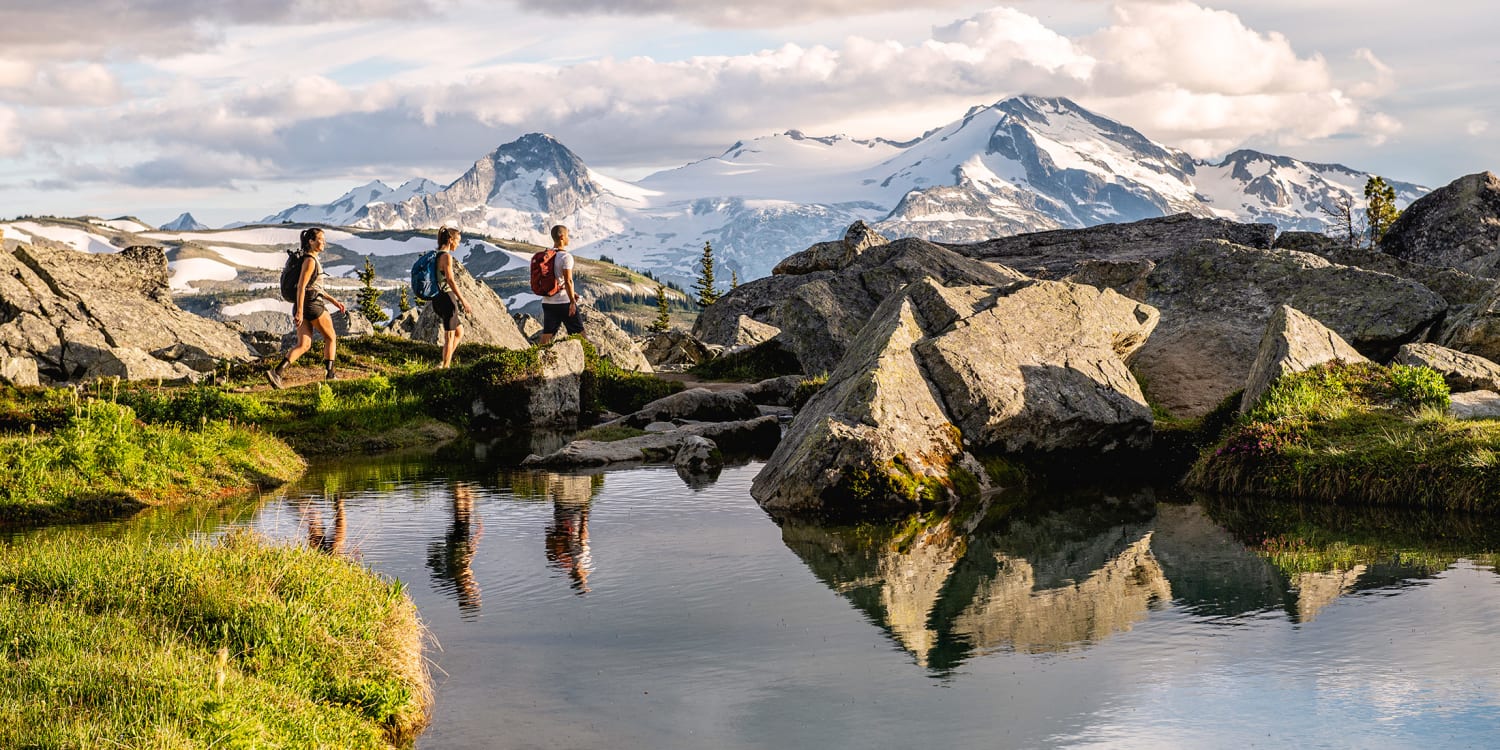
Finally, think about your route—if you’ll pass by streams or lakes, you might carry less, knowing you can refill along the way. Every drop counts, so pack wisely!
Water Purification Methods for Camping
When you’re out camping, confirming your water is safe to drink is essential for your health and enjoyment.
There are several effective methods to purify water in the wild. Boiling is one of the simplest; just bring water to a rolling boil for at least one minute to kill harmful pathogens.
If you prefer chemical treatment, water purification tablets containing chlorine or iodine are convenient and effective.
Another option is using a portable water filter, which can remove bacteria and protozoa.
UV light sterilizers are also an excellent choice, as they use ultraviolet rays to eliminate contaminants.
Whichever method you choose, always confirm your water is treated before drinking to avoid potential illness during your camping trip.
Alternative Sources of Water in the Wild
While you’re out in the wilderness, you might be surprised by the variety of alternative water sources available to keep you hydrated. Streams and rivers are your best bets for fresh water, but always remember to purify it before drinking.
Collecting rainwater can also be a smart move; just use a clean container to catch it as it falls. If you find yourself near vegetation, look for plant sap or extract moisture from certain fruits, like coconuts.
Dew on leaves in the early morning can also provide a small amount of water—simply use a cloth to soak it up.
Finally, some survival techniques allow you to dig for water in sandy areas. Stay resourceful, and you’ll keep hydrated!