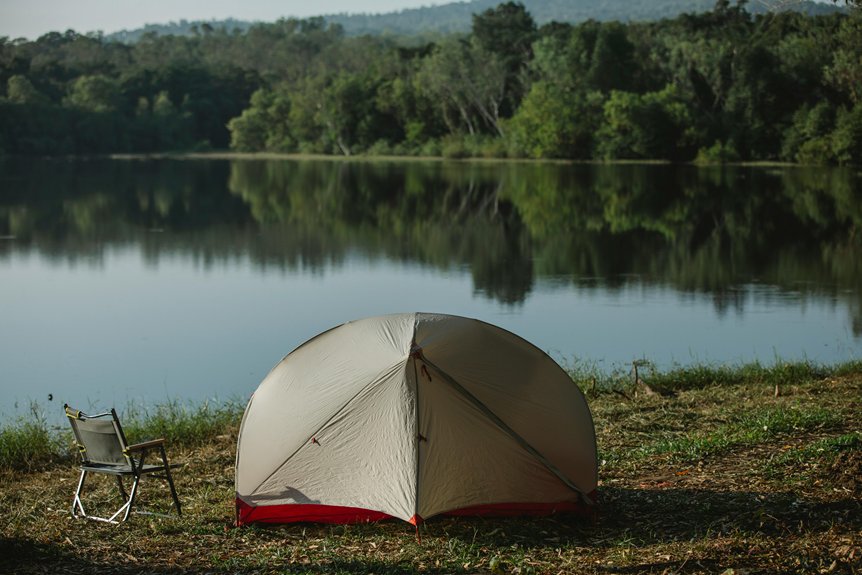
Many campers overlook a simple yet vital accessory: the tent footprint. This protective layer not only shields your tent from rough terrain but also enhances your camping experience in various ways. By using a footprint, you can extend the life of your tent and keep your sleeping area clean and dry. Curious about how to choose the right one and maximize its benefits? Let’s explore the essential details that every smart camper should know.
Understanding the Purpose of a Tent Footprint
A tent footprint is your tent’s best friend on the camping trail. It serves as a protective layer between your tent and the ground, absorbing impacts and safeguarding against abrasions.
By placing a footprint beneath your tent, you shield it from sharp rocks, sticks, and moisture that can seep up from the ground. This simple addition helps extend the life of your tent, ensuring it stays in top condition for many trips to come.
You’ll also find that a footprint can create a cleaner sleeping area, keeping dirt and debris at bay. Plus, it adds a touch of insulation, making your camping experience more comfortable.
Key Benefits of Using a Tent Footprint
Using a tent footprint can greatly enhance your camping experience, as it offers multiple benefits that go beyond simple protection.
First, it acts as a barrier against moisture, keeping your tent floor dry and comfortable. This is especially vital when camping on wet or sandy terrain.
Second, a footprint can prevent wear and tear on your tent, extending its lifespan and saving you money in the long run.
It also adds an extra layer of insulation, helping to regulate temperature inside your tent.
Finally, many footprints are lightweight and compact, making them easy to carry without adding bulk to your gear.
How to Choose the Right Tent Footprint
When you’re ready to choose the right tent footprint, consider your camping habits and the specific conditions you might encounter.
First, think about the size and shape of your tent; the footprint should match it precisely. If you often camp in rocky or uneven terrain, opt for a footprint that offers extra durability.
Don’t forget to factor in weight—if you’re backpacking, a lightweight footprint is essential.
Additionally, consider how often you camp; if you’re a frequent adventurer, investing in a high-quality, weather-resistant footprint can pay off.
Finally, check for compatibility with your tent brand, as some manufacturers offer tailored options.
With these factors in mind, you’ll find the perfect footprint to elevate your camping experience.
Different Materials Used for Tent Footprints
Choosing the right footprint also involves understanding the various materials available. Most footprints are made from durable nylon or polyester, which offer excellent resistance to wear and tear.
If you’re looking for extra protection against moisture, consider a footprint with a waterproof coating, usually made from polyurethane or silicone. Some campers opt for Tyvek, a lightweight and tear-resistant option that’s also breathable, allowing moisture to escape.
Another popular choice is a PE (polyethylene) footprint, known for its affordability and decent protection. Each material has its pros and cons, so think about your camping environment and needs.
Setting up Your Tent With a Footprint
Setting up your tent with a footprint can make a significant difference in both comfort and durability.
Begin by laying the footprint flat on the ground, guaranteeing it’s positioned correctly under your tent. This base layer protects against moisture and sharp objects, extending your tent’s lifespan.
Next, align your tent over the footprint, making sure the corners match up. If your tent has a vestibule, verify it overlaps the footprint to keep everything dry.
Once everything’s in place, stake down the tent securely. This method not only provides extra insulation but also helps keep the floor clean and free from debris.
Common Mistakes to Avoid With Tent Footprints
Although using a tent footprint can enhance your camping experience, many campers make common mistakes that can undermine its benefits.
One common error is choosing the wrong size; your footprint should be slightly smaller than your tent to prevent water pooling.
Another mistake is neglecting to secure it properly. If it shifts during windy conditions, it won’t protect your tent effectively.
Some campers also forget to clean the area before laying down the footprint; debris can wear down the material.
Finally, don’t skip using a footprint altogether just because your tent has a built-in groundsheet. A footprint adds extra protection, extending your tent’s life.
Alternatives to Purchasing a Tent Footprint
If you’re looking for ways to protect your tent without investing in a commercial footprint, several alternatives can work just as effectively.
One option is using a simple tarp. Cut it to size, and it’ll provide excellent ground protection.
Old sleeping pads can also serve as a durable, cushioned barrier against rough terrain. You might even repurpose an old shower curtain or a thick plastic sheet; both are lightweight and waterproof.
Additionally, consider using a space blanket for added insulation and moisture protection.
If you’re camping in a specific spot multiple times, you could also lay down some cardboard to shield the tent floor.
These alternatives not only save money but also guarantee your tent stays in top condition for those memorable adventures.
Real Camper Experiences: Why They Love Their Tent Footprints
When campers share their experiences with tent footprints, they often highlight the peace of mind these accessories provide. Many of you have faced the frustration of muddy or rocky ground; a tent footprint acts as a protective barrier, keeping your tent floor safe from abrasions and moisture.
You’ll appreciate how easy it’s to pack and set up, ensuring you stay dry and comfortable. Campers rave about the added insulation it offers, making chilly nights more bearable. Plus, it helps keep your tent clean, saving you the hassle of extensive cleaning later.