When you’re gearing up for a camping trip, preparation is key to ensuring a smooth and enjoyable experience. From selecting the right campsite to understanding necessary permits, every detail counts. You’ll want to create a thorough gear checklist and plan out your meals, keeping in mind dietary needs. Plus, safety is paramount, so knowing emergency protocols can make all the difference. Let’s explore how to make your camping adventure a success.
Choosing the Right Campsite
Choosing the right campsite is vital for a successful camping experience. Start by reflecting on your group’s needs—think about how many people are joining and what amenities you’ll require.
Look for locations near water sources and trails for easy access to activities. Check the terrain; flat, level ground is best for setting up tents and cooking. Avoid areas with dead trees, as they pose a danger during storms.
If you’re camping in a popular area, scout for designated sites to guarantee you’re following local guidelines. Finally, remember to evaluate privacy and noise levels; a little distance from others can enhance your experience.
Understanding Camping Permits and Regulations
Once you’ve settled on the perfect campsite, it’s time to understand camping permits and regulations that may affect your trip.
Different parks and campgrounds have specific rules, so check their websites or contact them directly. Some areas require permits for camping, and these can often be obtained online or at ranger stations.
Pay attention to group size limits, campfire regulations, and any seasonal restrictions. Familiarize yourself with Leave No Trace principles to minimize your impact on the environment.
Ignoring regulations can lead to fines or even being asked to leave, so it’s essential to stay informed. By understanding and following these guidelines, you’ll guarantee a safer, more enjoyable camping experience while respecting nature and fellow campers.
Essential Camping Gear Checklist
When planning your camping trip, having the right gear is essential to guarantee comfort and safety in the great outdoors.
Start with a durable tent and sleeping bag suitable for the season. A sleeping pad can add extra comfort. Don’t forget a reliable backpack to carry your essentials.
Bring a multi-tool or knife for various tasks, along with a first aid kit for emergencies. Pack a portable stove or grill with fuel, plus cooking utensils.
Hydration is key, so include a water filter or purification tablets, and carry a refillable water bottle.
Finally, bring a flashlight or headlamp, extra batteries, and outdoor clothing appropriate for the weather.
With this gear checklist, you’ll be ready for a successful camping adventure!
Meal Planning for Your Camping Trip
Packing the right gear sets you up for success, but meal planning can make or break your camping experience. Start by considering easy-to-cook, nutritious meals that don’t require a lot of prep.
Plan your menu around non-perishable items like pasta, rice, and canned goods, while including fresh fruits and veggies that you can consume early in the trip. Create a shopping list based on your menu to guarantee you’ve got everything covered.
Remember to pack snacks for energy, like trail mix or granola bars. Don’t forget to think about cooking equipment—having the right tools can make meal prep a breeze.
Finally, always account for your group’s dietary restrictions and preferences to keep everyone satisfied and happy!
Packing Tips for Efficient Travel
To guarantee a smooth camping experience, it’s crucial to pack efficiently. Start by making a list of all the gear you need, from tents to cooking utensils.
Group items by category—like cooking, sleeping, and clothing—to streamline your packing process. Use packing cubes or compression bags to maximize space and keep your gear organized.
Roll your clothes instead of folding them; this saves space and minimizes wrinkles. Don’t forget to pack a lightweight backpack for day hikes, and be sure to keep essential items, like your first-aid kit and snacks, easily accessible.
Finally, remember to leave some room for souvenirs or extra gear you might pick up along the way. Happy camping!
Safety Protocols and Emergency Preparedness
While you’re getting your gear organized for the trip, it’s important to think about safety protocols and emergency preparedness.
Start by creating a first aid kit stocked with essentials like band-aids, antiseptic wipes, and pain relievers. Familiarize yourself with basic first aid techniques—knowing how to treat cuts or sprains can make a big difference.
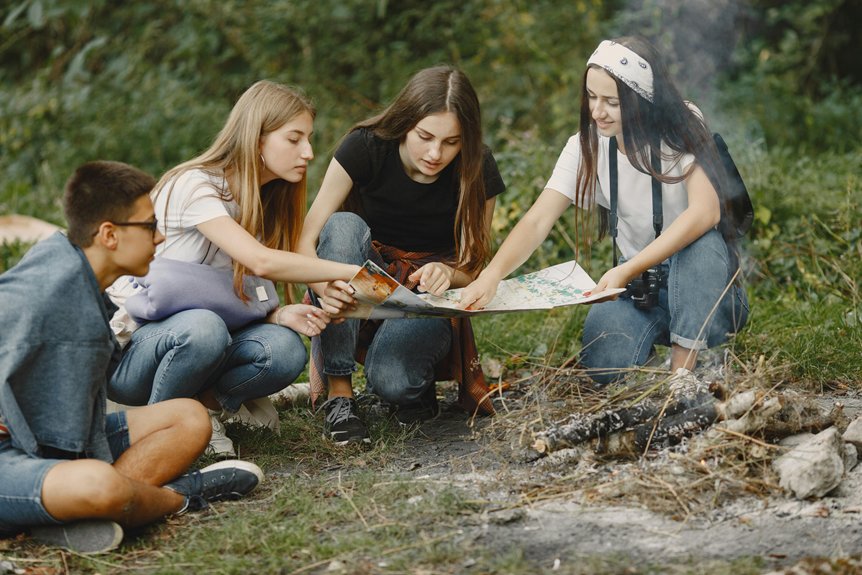
Always share your itinerary with someone who isn’t going, and check in with them when you’re back. Additionally, carry a map and compass, or download offline maps in case you lose cell service.
Pack a whistle and a flashlight to signal for help if needed. Finally, establish a meeting point with your group in case anyone gets separated.
Stay safe and enjoy your adventure!
Preparing for Weather Conditions
As you plan your camping trip, understanding the weather conditions can make all the difference in your experience. Start by checking the forecast for your destination, paying attention to temperature, precipitation, and wind.
If you expect rain, pack waterproof gear and a sturdy tent. For hot weather, lightweight, breathable clothing and plenty of water are essential. Cold conditions require insulated layers and a reliable sleeping bag.
Don’t forget to prepare for sudden weather changes; pack a mix of clothing options to stay comfortable. Consider the terrain and elevation, as weather can vary considerably.
Finally, familiarize yourself with local weather patterns to anticipate conditions. Being well-prepared guarantees you can enjoy the great outdoors without unexpected surprises.
Setting Up Camp Upon Arrival
After you’ve navigated the weather conditions and packed accordingly, it’s time to set up your camp.
First, scout a flat, dry area away from water sources and hazards like dead trees. Clear the ground of debris, then lay out your tent. Assemble it according to the instructions, ensuring it’s anchored securely with stakes.
Next, set up your sleeping area inside the tent, placing your sleeping bag and gear for easy access. If you’re using a campfire, create a safe fire pit away from flammable materials.
Organize your cooking area nearby, keeping food stored securely to avoid attracting wildlife.
Finally, take a moment to enjoy the surroundings—this is the beginning of your outdoor adventure!
Enjoying Your Outdoor Experience
How can you make the most of your outdoor experience? Start by immersing yourself in nature. Take scenic hikes, observe wildlife, and enjoy the fresh air.
Don’t forget to disconnect from technology; it’ll help you truly appreciate your surroundings. Engage in activities like fishing, kayaking, or stargazing to enhance your adventure.
Plan group games or storytelling nights around the campfire to bond with fellow campers. Bring a journal to document your thoughts and experiences, creating lasting memories.
Always prioritize safety—carry a first aid kit and know your limits.
Finally, embrace spontaneity; some of the best moments happen when you least expect them. With these tips, you’re set to enjoy a fulfilling outdoor experience that leaves you refreshed and inspired.