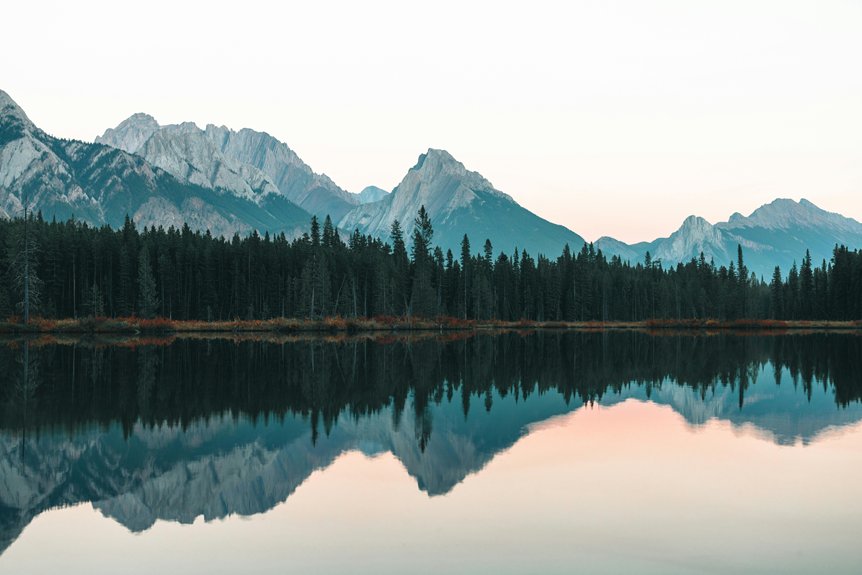
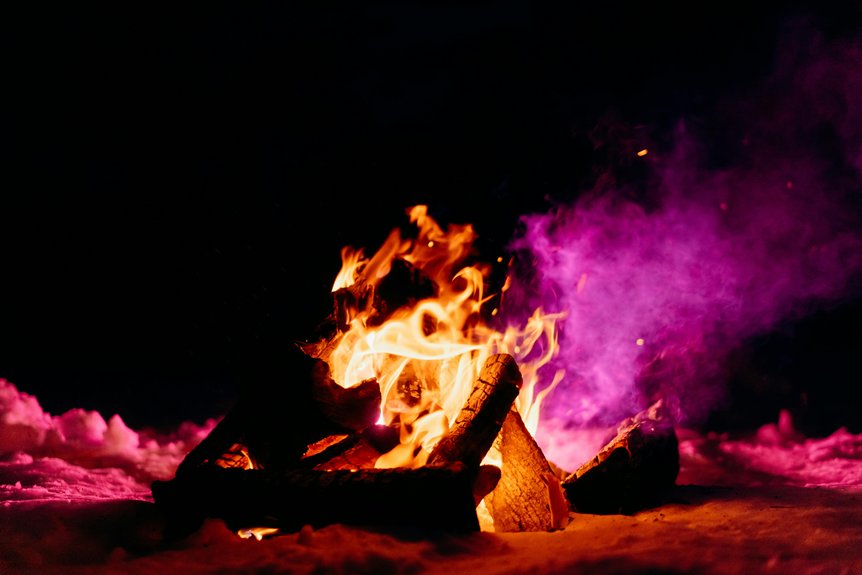
Dispersed camping offers a unique way to escape the crowds and immerse yourself in nature, often without spending a dime. It’s an adventure that allows for solitude and exploration in stunning landscapes. However, finding the perfect spot can be a challenge. Knowing where to look and how to prepare can make all the difference in your experience. Let’s explore the best strategies to uncover those hidden gems for your next outdoor getaway.
Understanding Dispersed Camping
Dispersed camping offers a unique chance to immerse yourself in nature, away from crowded campgrounds. Unlike traditional camping sites, dispersed camping lets you set up your tent wherever you choose, often on public lands such as national forests or BLM areas. You’ll find solitude and the freedom to explore less-traveled paths.
However, it’s essential to understand the rules surrounding dispersed camping. Familiarize yourself with the area’s regulations, including camping duration limits and fire restrictions. Bring your own water, food, and waste disposal solutions, as amenities are scarce.
Always practice Leave No Trace principles to minimize your impact. By knowing these basics, you’ll enhance your experience and help preserve the beauty of these natural spaces for others to enjoy.
Benefits of Dispersed Camping
When you choose to camp away from traditional campgrounds, you reveal a world of benefits that enhance your outdoor experience.
First, you’ll enjoy greater solitude and peace, allowing you to connect deeply with nature without the noise of nearby campers. You’ll also have the freedom to explore unique locations, often away from crowded tourist spots.
Plus, dispersed camping typically means no fees, letting you save money while enjoying the great outdoors. This flexibility in choosing your campsite means you can tailor your experience to your preferences, whether that’s a secluded forest or a picturesque lakeside.
Ultimately, you’ll gain a sense of adventure and self-sufficiency, honing your skills in navigation, setup, and wilderness survival. Embrace the freedom!
Researching Potential Locations
Before you pack your gear and hit the road, it’s essential to research potential dispersed camping locations thoroughly.
Start by identifying national forests, Bureau of Land Management (BLM) areas, or other public lands where dispersed camping is permitted. Make note of any regulations or restrictions, such as fire rules or stay limits.
Check for access roads and verify your vehicle can navigate them, especially if you’re heading into remote areas. Look into the terrain and weather conditions, as these can impact your camping experience.
Finally, consider safety factors like wildlife and proximity to water sources. By gathering this information, you’ll set yourself up for an enjoyable and stress-free camping adventure.
Utilizing Online Resources and Apps
The digital age has transformed the way you can find dispersed camping spots, making it easier than ever to discover hidden gems.
Start by exploring popular apps like Campendium or iOverlander, which provide user-generated reviews and photos of various locations. Websites like FreeCampsites.net and AllTrails can also guide you to lesser-known spots.
Don’t forget to check social media platforms, where camping groups share tips and local secrets. You can even use Google Maps to identify areas that are off the beaten path.
Make sure to read recent comments to find out about road conditions and accessibility.
With these resources at your fingertips, you’re just a few clicks away from your next great outdoor adventure!
Navigating Regulations and Permits
Understanding the regulations and permits for dispersed camping can save you from unexpected surprises during your trip. Before you head out, check the specific rules for the area you plan to visit.
National forests and Bureau of Land Management lands often have different guidelines regarding camping locations, stay limits, and campfire restrictions. Some areas may require permits, especially during peak seasons or in popular spots. Always respect posted signs and guidelines to avoid fines.
Additionally, familiarize yourself with Leave No Trace principles to minimize your impact on the environment. Knowing the regulations helps guarantee a smooth and enjoyable experience while protecting the natural beauty you came to enjoy.
Happy camping!
Essential Gear for Dispersed Camping
Now that you’re familiar with the regulations and permits for dispersed camping, it’s time to think about what you’ll need to make your experience enjoyable and safe.
First, pack a reliable tent or hammock to shelter you from the elements. You’ll also want a sleeping bag rated for the temperatures you expect, along with a sleeping pad for comfort.
Bring a portable stove or camping cookware for meal prep, and don’t forget a cooler for perishables. A first-aid kit is essential, as is a multi-tool for various tasks.
Water purification methods, like filters or tablets, are vital. Finally, a sturdy backpack will help carry all your gear as you explore the great outdoors.
Happy camping!
Tips for a Safe and Enjoyable Experience
While you’re out enjoying the beauty of nature, keeping safety in mind guarantees a memorable experience.
Always inform someone about your plans, including your expected return time. Choose a well-reviewed camping location and familiarize yourself with the area’s wildlife and weather conditions.
Pack a first aid kit, a reliable map, and a compass or GPS device. When setting up camp, select a flat area away from potential hazards like dead trees or water sources.
Always practice Leave No Trace principles to preserve the environment. Keep food stored securely to avoid attracting wildlife.
Finally, trust your instincts; if something feels off, don’t hesitate to relocate. Enjoy the adventure while ensuring your safety!