Your backpack is like a well-constructed bridge, supporting you as you traverse the wild. Packing it efficiently is essential for a comfortable hike. The way you distribute your gear can make all the difference in your experience. By understanding how to balance weight and access your essentials, you can turn a burdensome load into a manageable adventure. Let’s explore the best strategies for organizing your pack and ensuring a seamless journey into the great outdoors.
Understanding Your Backpack’s Structure
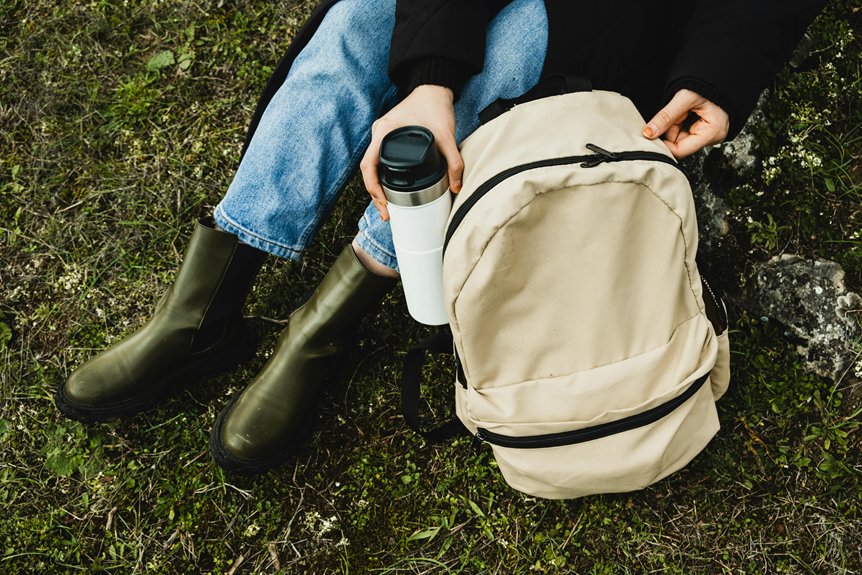
When you look at a backpack, it might just seem like a bag, but understanding its structure is key to maximizing your camping experience. A well-designed backpack features compartments and pockets that help you organize your gear efficiently. The main compartment typically holds bulkier items, while smaller pockets can store essentials like snacks, maps, and first-aid kits for easy access.
Pay attention to the frame, as it supports weight distribution. A solid frame helps transfer the load to your hips, reducing strain on your shoulders.
Additionally, consider the padding on the back and straps; comfort is vital during long hikes. Knowing how each part functions will allow you to pack smarter, ensuring you stay organized and ready for any adventure.
Choosing the Right Gear for Your Trip
Choosing the right gear for your camping trip is essential to guarantee both comfort and safety in the great outdoors.
Start by evaluating your destination and the climate. A lightweight tent and a reliable sleeping bag are vital for shelter and rest. Don’t forget a cooking system, like a portable stove, for meal preparation.
Pack versatile clothing that can be layered, keeping you warm and dry. Sturdy footwear is a must; make sure it’s broken in to avoid blisters.
Bring a first aid kit, headlamp, and sufficient water purification options. Finally, consider the weight and bulk of each item, ensuring you’re not overloaded.
With the right gear, you’ll enjoy your adventure without unnecessary hassles.
Organizing Your Pack by Weight
To maximize comfort on your camping trip, it’s crucial to organize your pack by weight. Start by placing the heaviest items close to your back, ideally at the center. This positioning helps maintain your balance and prevents strain during hikes.
Next, distribute lighter gear around the heavier items, ensuring that everything is well-balanced on both sides. Use smaller compartments or stuff sacks to keep similar items together, making it easier to find what you need.
Remember to pack frequently accessed items, like snacks or a water bottle, in external pockets or at the top of your pack. By organizing your gear this way, you’ll enhance your mobility and overall experience on the trail.
Happy camping!
Placing Heavier Items for Stability
Placing heavier items strategically in your backpack is essential for maintaining stability on the trail. Start by positioning the heaviest gear, like your tent or cooking equipment, close to your back and in the middle of your pack. This keeps your center of gravity aligned, making it easier to balance and maneuver.
If you have any bulky items, place them at the bottom to create a solid base. Avoid stacking heavy items on top, which can throw you off-balance. Distributing weight evenly on both sides will also help prevent strain on your shoulders.
Utilizing External Pockets and Straps
While you focus on packing your backpack, don’t overlook the benefits of utilizing external pockets and straps. These features can greatly enhance your organization and accessibility.
Place frequently used items like snacks, maps, or a water bottle in the external pockets. This way, you won’t need to dig through your entire pack every time you need something.
Straps are perfect for securing extra gear like sleeping bags, trekking poles, or a jacket. When you attach these items on the outside, you free up valuable internal space.
Just make sure everything is securely fastened to avoid losing gear along the trail. By effectively using external pockets and straps, you’ll maintain a balanced load and access essentials with ease during your camping adventure.
Securing Fragile and Essential Items
When you’re packing for a camping trip, safeguarding fragile and essential items should be a top priority to prevent damage and guarantee you have what you need.
Start by using padded cases for items like cameras or electronics. Place these in the middle of your backpack, surrounded by softer items like clothing or sleeping bags for extra cushioning.
For essential gear like maps, first-aid kits, or cooking tools, keep them near the top for easy access. Consider using resealable bags for smaller items to keep them organized and protected from moisture.
Finally, secure everything with compression straps to minimize movement during your hike. This approach will help make certain your fragile and essential items stay intact and ready for use when you need them most.
Keeping Daily Essentials Accessible
How can you guarantee that your daily essentials are always within reach while camping? Start by designating specific pockets in your backpack for different essentials.
Use the outer pockets for items you need frequently, like snacks, a map, or a water bottle. Keep your first-aid kit and multi-tool easily accessible in a side pocket. For items like your phone or headlamp, consider a hip belt pocket if your pack has one.
Packing a small, lightweight daypack can also be handy for short excursions. Finally, maintain a consistent organization system throughout your trip; this way, you’ll know exactly where everything is when you need it.
With these strategies, grabbing what you need while enjoying the great outdoors becomes a breeze.
Balancing Your Load for Comfort
To guarantee a comfortable hiking experience, balancing the load in your backpack is essential.
Start by placing heavier items, like your tent and food, close to your back and in the middle of the pack. This positioning keeps the weight centered and helps maintain your balance.
Next, distribute lighter items, such as clothing and sleeping gear, towards the top and outside of the pack. Make sure to fill any gaps with smaller items to prevent shifting while you move.
Additionally, keep frequently used items easily accessible in external pockets.
Adjusting Straps for Optimal Fit
After balancing your load for comfort, the next step is adjusting the straps for an ideal fit.
Start by putting on your backpack and tightening the shoulder straps. They should hug your shoulders without digging in.
Next, adjust the load lifters, which connect the top of the shoulder straps to the pack. These should create a slight upward angle, pulling the weight closer to your back.
Now, focus on the hip belt—tighten it so it rests snugly on your hips, transferring weight away from your shoulders.
Finally, check the sternum strap; it should sit comfortably across your chest, helping stabilize the pack.
Take a moment to walk around and make any final tweaks to guarantee you’re comfortable and balanced.
Tips for Maintaining Your Backpack During the Trip
While you’re out on the trail, keeping your backpack in good condition is essential for a smooth camping experience.
Start by regularly checking for wear and tear. Inspect straps, zippers, and seams for damage; a small tear can become a big problem if ignored. If you notice any issues, use repair tape or a sewing kit to fix them on the spot.
Keep your backpack clean by wiping off dirt and debris after each hike. When you take breaks, set your backpack down gently to avoid unnecessary stress on its structure.
Finally, remember to pack and unpack your gear carefully to prevent overloading. With a little attention, your backpack will serve you well throughout your adventure!