Camping can be a revitalizing escape, but keeping food cold without refrigeration can feel like an intimidating challenge. Knowing how to properly store perishables can make all the difference between enjoying a meal and dealing with spoiled food. By employing a few strategic techniques, you can guarantee your provisions stay fresh and safe. Let’s explore some effective methods so you can focus on the adventure ahead, rather than worrying about your food.
Choosing the Right Cooler
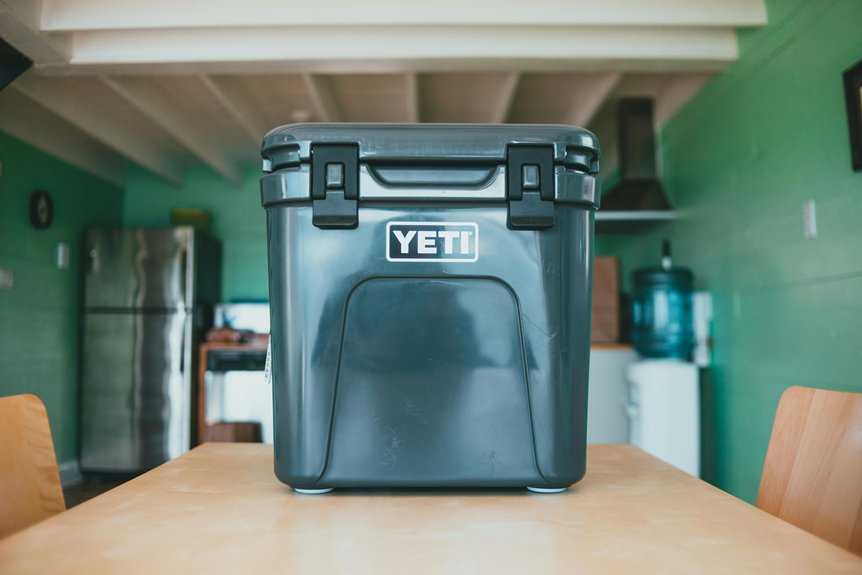
When you’re planning a camping trip, choosing the right cooler can make all the difference in keeping your food fresh and your drinks cold.
First, think about size—pick one that fits your needs without being overly bulky. A cooler that holds about one to two days’ worth of food is often ideal for short trips.
Next, consider insulation; thicker walls provide better temperature retention. You’ll also want to look for features like a sturdy lid, locking mechanisms, and portability options like wheels or handles.
Don’t forget to check the cooler’s weight when loaded.
Finally, evaluate the price versus performance; sometimes, spending a bit more on a high-quality cooler pays off in the long run.
Choose wisely, and enjoy your camping adventure!
Ice Alternatives for Extended Cooling
While ice is the traditional choice for keeping food cold, there are several effective alternatives that can enhance your camping experience.
Consider using frozen gel packs, which stay cold longer than regular ice and minimize water mess. If you’re looking for a DIY option, fill water bottles or jugs and freeze them beforehand; they’ll serve as both ice and drinking water as they thaw.
Another great alternative is dry ice, which can keep items frozen for days but requires careful handling.
Finally, you can use frozen fruit or veggies to chill your cooler; they’ll stay cold while adding flavor to your meals.
These alternatives can help you maintain safe food temperatures without relying solely on ice.
Pre-chilling Your Food
To guarantee your food stays cold longer during your camping trip, pre-chilling your items before packing them is essential.
Start by placing perishable items in the fridge or freezer the night before you leave. This simple step can make a significant difference in maintaining their temperature.
For added efficiency, consider freezing items like water bottles or juice boxes; they’ll serve as ice packs while keeping your food cold.
Also, pack your cooler with a mix of pre-chilled and frozen items, assuring ideal cooling.
Avoid opening the cooler frequently, as this lets warm air in.
Packing Techniques for Maximum Efficiency
Packing your cooler efficiently can make all the difference in keeping your food cold and accessible during your camping trip. Start by layering ice or ice packs at the bottom, creating a cold base.
Next, place perishable items in waterproof bags to prevent leaks. Group similar foods together; this way, you won’t have to dig around, letting cold air escape.
Use a vertical stacking method, keeping heavier items like drinks at the bottom and lighter foods on top. Fill any gaps with extra ice or towels to minimize air pockets.
Finally, keep your cooler closed as much as possible. By organizing and maximizing space, you’ll not only keep your food colder but also make meal prep a breeze!
Utilizing Shade and Insulation
Finding ways to keep your food cold while camping goes beyond just using a cooler; it also involves smart use of shade and insulation.
Position your cooler in a shaded area, away from direct sunlight, to maintain its internal temperature. You can use natural shade from trees or set up a tarp for extra protection.
Additionally, wrapping your cooler in blankets or towels acts as insulation, helping to keep the cold air in and the heat out. If you’ve got reflective materials, use them to shield your cooler from the sun.
Ultimately, consider digging a shallow hole to partially bury your cooler, which can greatly reduce heat exposure.
These simple strategies can make a big difference in preserving your food’s freshness.
Keeping Your Cooler Organized
Keeping your cooler organized is just as important as using shade and insulation to maintain its temperature. When you pack, place heavier items at the bottom, distributing weight evenly, so it’s easier to access what you need.
Use separate bags or containers for different food groups—meats, fruits, and dairy—to minimize cross-contamination and make retrieval easier. Label each container if you have a mixed selection, saving you time digging through everything.
Also, put items you’ll use first on top. This way, you won’t have to open the cooler frequently, which helps retain cold air.
Finally, consider using ice packs or frozen water bottles to fill any empty space, enhancing insulation and keeping your cooler organized and efficient.
Tips for Safe Food Handling
While you’re enjoying the great outdoors, it’s crucial to practice safe food handling to prevent illness. Start by washing your hands before handling any food. Use biodegradable soap and clean water if possible.
Keep raw meats separate from other foods to avoid cross-contamination—use different cutting boards and utensils. If you’re using a cooler, pack it with ice or ice packs and check the temperature regularly; it should stay below 40°F.
Always cook foods to their recommended temperatures to kill harmful bacteria. When serving, don’t leave perishable foods out for more than two hours (or one hour in hot weather).
Finally, store leftovers properly in airtight containers and consume them within a day to guarantee safety.
What Foods to Bring Camping
Choosing the right foods for your camping trip can make all the difference in your outdoor experience. Focus on non-perishable items like canned beans, pasta, and dried fruits. These foods are easy to pack and won’t spoil.
Opt for high-energy snacks, such as nuts, granola bars, and jerky, to keep you fueled during hikes. For fresh options, consider hard fruits like apples and oranges, which hold up well. If you want to include some dairy, choose shelf-stable cheese or powdered milk.
Don’t forget easy-to-cook meals like instant oatmeal or rice, which require minimal preparation. Finally, pack plenty of water and electrolyte drinks to stay hydrated.
With the right foods, you’ll enjoy delicious meals and stay energized throughout your adventure.
Creative Ways to Use Leftovers
After a day of cooking and enjoying hearty meals on your camping trip, you might find yourself with some leftovers. Don’t let them go to waste!
Transform those uneaten veggies into a delicious stir-fry the next day. Toss leftover meat into a wrap with some fresh greens for a quick lunch.
You can also make a hearty soup by combining various leftovers with broth—just heat it over the campfire. If you’ve got extra rice or pasta, turn it into a salad with a splash of dressing.
Finally, consider packing leftover snacks like cheese or hummus with fresh veggies for a satisfying trail treat.
With a little creativity, you can enjoy every bite of your camping leftovers!