Backcountry camping invites you to escape the ordinary and immerse yourself in the wild. It’s more than just a getaway; it’s about connecting with nature while traversing remote trails and setting up camp in serene locations. But before you begin this adventure, you’ll need to prepare thoroughly. From essential gear to safety tips, understanding what lies ahead can make all the difference. Are you ready to discover how to make your backcountry experience unforgettable?
Understanding Backcountry Camping
Backcountry camping offers a unique opportunity to immerse yourself in nature, where the beauty of untouched landscapes can inspire awe.
Unlike traditional camping, backcountry camping takes you off the beaten path, away from crowded campsites and into remote wilderness areas. You’ll navigate trails, often requiring map and compass skills, and enjoy the thrill of setting up camp in serene locations.
This experience fosters a deeper connection to the environment, as you learn to adapt and respect nature’s rhythms. You’ll encounter diverse wildlife, breathtaking views, and the chance to unwind from daily stress.
Embracing backcountry camping not only challenges your physical limits but also enriches your spirit, leaving you with unforgettable memories and a newfound appreciation for the great outdoors.
Essential Gear for Backcountry Adventures
Heading into the wilderness requires careful preparation, and having the right gear makes all the difference in your backcountry experience.
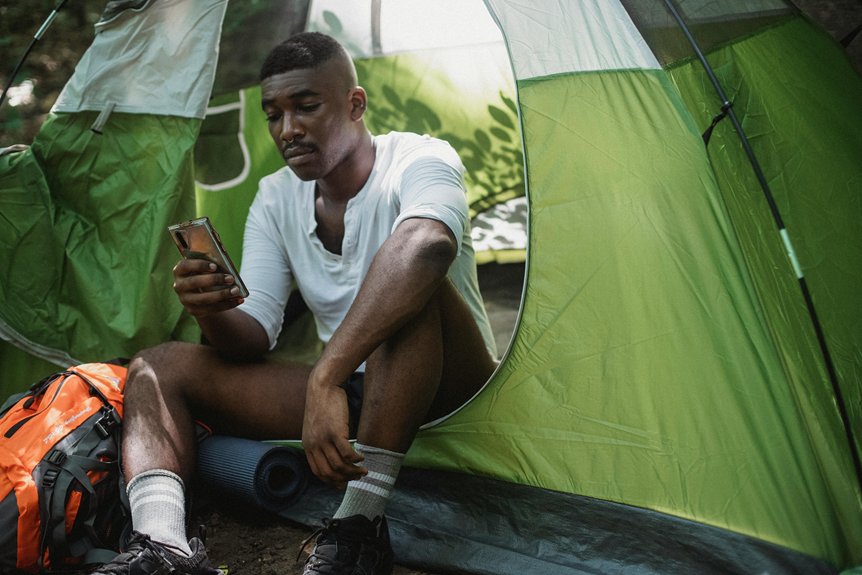
Start with a sturdy backpack that comfortably carries your essentials. A reliable tent and sleeping bag suited for the season guarantee you stay warm and dry.
Don’t forget a portable stove for cooking and lightweight cookware for your meals. A first aid kit is vital for unexpected injuries, while a multi-tool can handle various tasks.
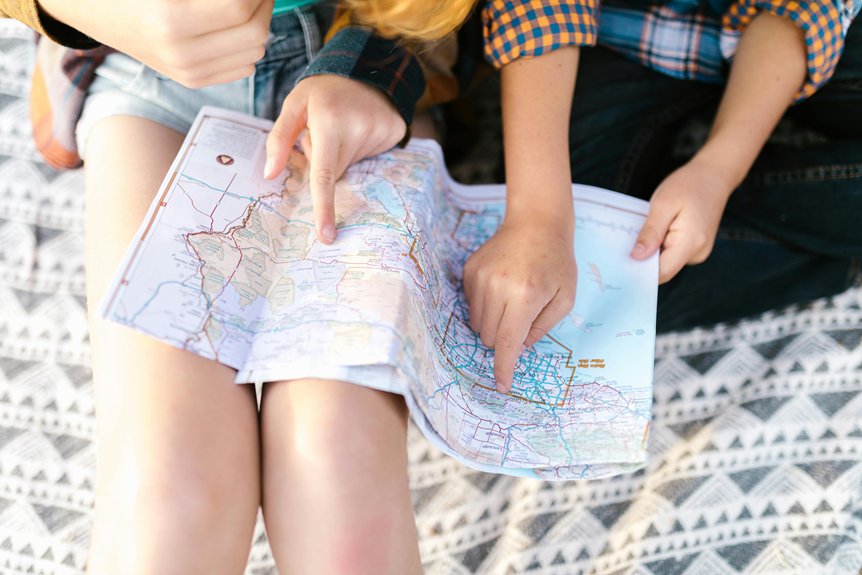
Navigation tools like a map and compass—or a GPS device—help you stay oriented.
Finally, pack clothing layers, moisture-wicking socks, and durable hiking boots to keep you comfortable.
Equip yourself wisely, and you’ll embrace the thrill of adventure with confidence!
Navigating the Wilderness
As you venture into the wilderness, mastering navigation skills can transform your outdoor experience from intimidating to exhilarating. Familiarize yourself with maps and compasses; these tools are essential for charting your course.
Practice reading topographical maps to understand elevation changes and terrain features. Don’t rely solely on your smartphone—batteries can die, and signals can fade.
Learn to use natural landmarks, like rivers or mountain peaks, to guide your way. Consider taking a navigation course to boost your confidence and skills.
Trust your instincts, but always have a plan. Embrace the adventure of getting lost occasionally; it can lead to unexpected discoveries.
With good navigation skills, you’ll feel empowered and ready to explore the backcountry with enthusiasm and curiosity.
Safety Tips for Backcountry Camping
Maneuvering the wilderness is just the beginning of your adventure; staying safe is equally important.
Always check the weather before heading out, and prepare for changes. Carry a reliable map and compass, even if you plan to use a GPS—technology can fail. Make sure someone knows your itinerary and expected return time.
Pack a well-stocked first aid kit and familiarize yourself with its contents. Stay vigilant for wildlife; watch for signs and store food securely. Know how to build a fire safely and keep it contained.
Finally, trust your instincts—if something doesn’t feel right, don’t hesitate to turn back. By prioritizing safety, you can fully immerse yourself in the beauty of the backcountry without worry.
Enjoy your adventure!
Leave No Trace Principles
When exploring the backcountry, embracing the Leave No Trace principles guarantees that the beauty of nature remains unspoiled for future generations.
These seven principles guide you in minimizing your impact: plan ahead, travel on durable surfaces, dispose of waste properly, leave what you find, minimize campfire impact, respect wildlife, and be considerate of other visitors.
By following these guidelines, you help preserve the pristine environment you cherish. You’ll not only enhance your experience but also inspire others to do the same.
Remember, every small action counts. Whether it’s packing out trash or sticking to trails, your efforts contribute to the harmony of nature.
Let’s protect these wild places, ensuring they remain vibrant and inviting for all who seek adventure.
Planning Your Route and Itinerary
How do you choose the best route for your backcountry adventure? Start by researching trails that fit your skill level and desired experience.
Use topographic maps and apps to identify elevation changes, terrain types, and potential hazards. Consider the season, as conditions can vary dramatically.
Create a flexible itinerary that allows for exploration while ensuring you stay on schedule. Don’t forget to factor in your daily hiking distance; aim for 8-12 miles, depending on your fitness.
Make a note of potential campsites and scenic spots for breaks. Finally, share your plans with someone you trust. This way, you’re not just prepared; you’re set for an unforgettable journey into the wild!
Food and Water Considerations
After planning your route and itinerary, it’s time to tackle food and water considerations for your backcountry adventure.
Start by calculating how much food you’ll need based on your trip’s length and your activity level. Opt for lightweight, high-calorie options like dehydrated meals, nuts, and energy bars. Don’t forget to pack a reliable cooking system and utensils for easy meal preparation.
Water is essential, so plan your sources wisely. Always carry a portable water filter or purification tablets to make sure you can safely drink from natural sources.
Aim to drink at least two liters a day, adjusting for heat and exertion. With careful planning, you’ll nourish your body, keeping your energy high for those wild adventures ahead!
Setting Up Camp in the Backcountry
As you approach your chosen campsite, the key to a successful setup lies in carefully selecting the right location.
Look for flat, dry ground, ideally at least 200 feet away from water sources to protect wildlife and guarantee a peaceful setting. Consider shelter from wind and the sun, choosing spots near natural barriers like trees or rocks.
Once you’ve found the perfect spot, lay out your gear and set up your tent, making sure it’s taut and secure.
Organize your cooking area away from your sleeping space to minimize wildlife encounters.
Finally, don’t forget to leave no trace—pack out what you pack in.
Embrace this moment in nature, and let your backcountry adventure truly begin!