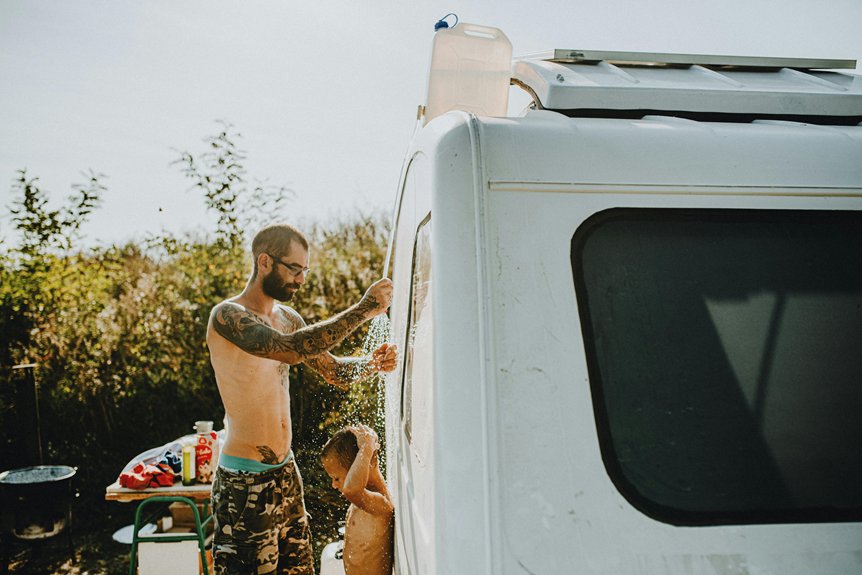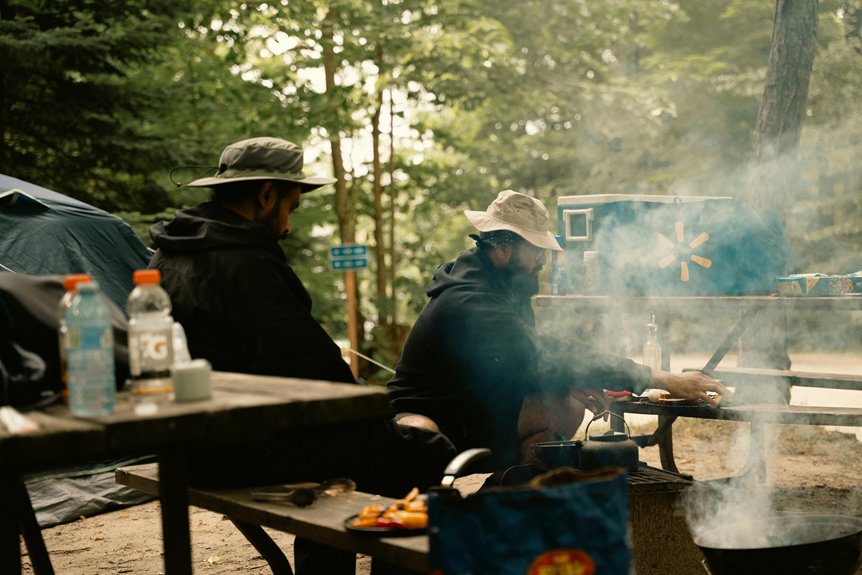
Dispersed camping invites you to escape the confines of crowded campgrounds and immerse yourself in the wild. It’s about finding that perfect spot where nature unfolds in all its glory, offering solitude and a unique connection to the land. But with this freedom comes responsibility, as you’ll need to be self-sufficient and respectful of the environment. Are you ready to discover what it truly means to embrace the great outdoors on your own terms?
Understanding Dispersed Camping: The Basics
Dispersed camping offers an exhilarating sense of freedom for those enthusiastic to escape the confines of traditional campgrounds. It allows you to immerse yourself in nature, away from the hustle and bustle.
Instead of designated sites, you’ll set up camp in remote areas, often on public lands like forests or BLM lands. You’ll need to be self-sufficient, packing in everything you need for your adventure—food, water, and gear.
Familiarize yourself with local regulations, as some areas may require permits or have specific guidelines. Always practice Leave No Trace principles to protect these beautiful locations.
Whether you’re hiking, fishing, or simply relaxing under the stars, dispersed camping invites you to experience the wild on your terms, creating unforgettable memories along the way.
Benefits of Dispersed Camping for Nature Lovers
When you venture into the world of dispersed camping, you’ll discover a unique connection to nature that traditional campgrounds simply can’t offer.
You’ll find yourself surrounded by untouched landscapes, where the sounds of rustling leaves and chirping birds become your evening soundtrack. This solitude allows for deeper reflection and a true escape from everyday distractions.
You can set up camp near a sparkling stream or beneath towering trees, immersing yourself in the beauty of your surroundings.
Unlike crowded campgrounds, you have the freedom to choose your own slice of paradise, fostering a sense of adventure and exploration.
Plus, the opportunity to observe wildlife in its natural habitat enriches your experience, making each trip unforgettable and deeply rewarding for nature lovers like you.
Finding the Right Location for Your Adventure
Choosing the right location for your dispersed camping adventure can make all the difference in your experience. Start by researching national forests or Bureau of Land Management areas, where dispersed camping is often allowed.
Look for spots that offer stunning views, proximity to water sources, and diverse wildlife. Utilize online maps and local guides to find hidden gems away from crowded sites.
Don’t forget to take into account accessibility; a remote location may sound enticing, but make sure you can reach it safely. Pay attention to seasonal conditions, as weather can greatly impact your plans.
Finally, respect the land by choosing previously used sites, ensuring your adventure minimizes your impact on the environment. Happy camping!
Essential Gear for Dispersed Camping
Packing the right gear is essential for a successful dispersed camping trip. Start with a sturdy tent, ensuring it’s weather-resistant to handle the elements.
A quality sleeping bag rated for the season keeps you cozy at night. Don’t forget a sleeping pad for comfort and insulation from the ground.
A portable stove or campfire setup lets you cook meals, while a compact cooler keeps your food fresh. Bring a reliable water filtration system to stay hydrated.
A multi-tool or knife is invaluable for various tasks. Lighting, like headlamps or lanterns, illuminates your campsite after dark.
Finally, a well-stocked first aid kit prepares you for minor injuries. With the right gear, you’ll embrace the wild with confidence and comfort.
Safety Tips for a Successful Experience
While exploring the great outdoors can be exhilarating, prioritizing safety guarantees your adventure remains enjoyable.
First, always inform someone about your plans and expected return time. Carry a detailed map and a compass, even if you have a GPS. Familiarize yourself with the area’s wildlife and weather conditions—being prepared can make all the difference.
Pack a well-stocked first-aid kit, and know basic first-aid skills. When setting up camp, choose a safe spot away from hazards like falling branches or flooding zones.
Always maintain a safe distance from fire sources and make sure it’s fully extinguished before leaving. Finally, trust your instincts; if something feels off, don’t hesitate to change your plans.
Enjoy your journey, but always stay safe!
Leave No Trace: Preserving Nature While Camping
After ensuring your safety on the trail, it’s time to think about how your adventure impacts the environment. Practicing Leave No Trace principles is essential for preserving the beauty of nature.
Start by camping at least 200 feet away from water sources to protect fragile ecosystems. Use established fire rings or cook stoves to minimize your impact, and always pack out what you pack in.
Stay on designated trails to prevent soil erosion and protect native plants. If you encounter wildlife, observe from a distance—never feed them.
Finally, leave natural and cultural features undisturbed, allowing others to enjoy them too. By following these guidelines, you help maintain the wild spaces you love, ensuring they remain pristine for generations of adventure seekers.