When you think of camping, you might picture a site with all the comforts of home, but dry camping flips that idea on its head. This style, often called boondocking, immerses you in nature’s raw beauty, far from the hustle and bustle. You’ll need to rely on your instincts and resourcefulness, managing your supplies carefully. Curious about the benefits and challenges that come with this minimalist adventure? Let’s explore what makes dry camping a unique experience.
Understanding Dry Camping
Dry camping, often referred to as boondocking, offers a unique escape into nature without the amenities of traditional campgrounds. You’ll find yourself immersed in stunning landscapes, far from bustling crowds and noisy RV parks.
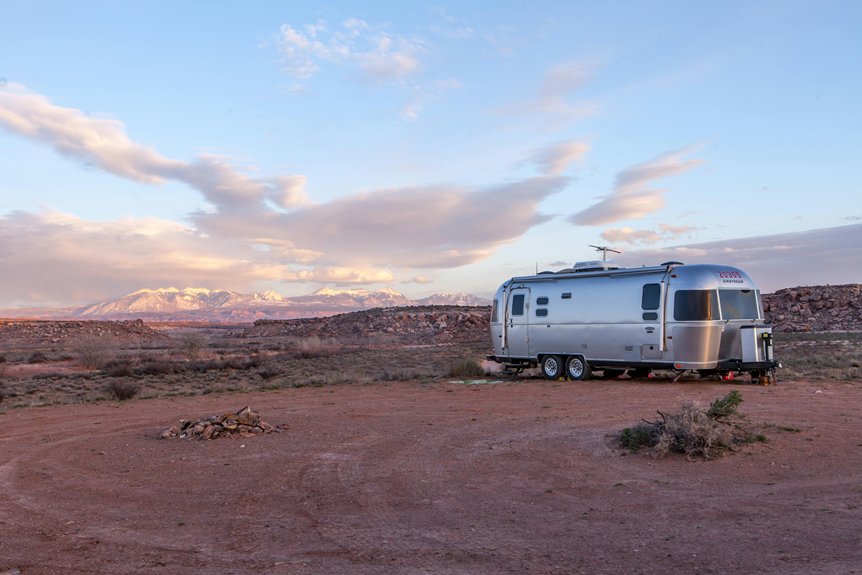
This form of camping lets you set up camp wherever it’s legal, whether that’s remote forests, desert vistas, or serene lakesides. You’ll rely on your skills and resources, as there’s no running water, electric hookups, or restroom facilities.
Instead, you’ll learn to embrace minimalism, packing essentials like water, food, and waste disposal systems. Planning is key, so you’ll need to scout locations ahead of time and verify your vehicle can handle the rugged terrain.
Dry camping invites you to connect deeply with nature and escape modern distractions.
Benefits of Dry Camping
While you may initially miss the comforts of traditional campgrounds, embracing dry camping opens up a world of benefits that enhance your outdoor experience.
First, you’ll enjoy greater freedom and flexibility, allowing you to set up camp in remote, pristine locations away from crowds. This solitude fosters a deeper connection with nature, as you’ll wake up to stunning sunrises and the sounds of wildlife.
Additionally, dry camping often requires fewer permits and reservations, simplifying your planning process. You’ll also learn valuable skills in self-sufficiency, as you’ll become adept at managing your resources.
Plus, the minimalist lifestyle encourages mindfulness, helping you appreciate the simple joys of outdoor living.
Ultimately, dry camping can transform your adventures into unforgettable experiences.
Essential Gear for Dry Camping
When gearing up for dry camping, having the right equipment is vital to guarantee a safe and enjoyable experience.
Start with a reliable water supply—collapsible containers or a portable water filter can keep you hydrated. Next, pack a high-quality cooler to preserve your food, and don’t forget a portable stove or campfire gear for cooking.
A sturdy tent with a durable ground tarp will protect you from the elements. Bring along a sleeping bag rated for the temperatures you might encounter.
Flashlights or headlamps with extra batteries are important for nighttime visibility. Finally, a thorough first aid kit guarantees you’re prepared for minor mishaps.
With these essentials, you’re set for an unforgettable dry camping adventure!
Choosing the Right Location
Choosing the right location for your dry camping adventure can greatly enhance your experience and guarantee your safety.
Start by looking for areas that allow dry camping, such as national forests, state parks, or Bureau of Land Management sites.
Consider proximity to water sources, as it’s essential for cooking and personal hygiene.
Evaluate the terrain; flat, dry ground is ideal for pitching your tent or parking your RV.
Pay attention to the weather and seasonal conditions, which can impact your comfort.
Finally, think about your desired activities—whether it’s hiking, fishing, or stargazing, finding a spot that aligns with your interests will make your trip more enjoyable.
Tips for a Successful Dry Camping Experience
To guarantee a successful dry camping experience, preparation is key. Start by packing all essentials, including water, food, and a reliable power source.
Bring along a portable solar charger to keep your devices powered without relying on campgrounds. Use a high-quality water filtration system to ascertain safe drinking water, especially if you’re near natural sources.
Keep your gear organized in waterproof bags to protect against unexpected weather. Set up your camp in a well-drained area to avoid moisture issues.
When cooking, opt for easy meals that require minimal cleanup—think one-pot dishes.
Finally, always have a backup plan in case of unexpected circumstances. With these tips, you’ll embrace the adventure of dry camping confidently and enjoy your time in nature.
Environmental Considerations
While you’re out enjoying the simplicity of dry camping, it’s crucial to be mindful of your environmental impact. Remember, you’re a guest in nature.
Stick to established sites to minimize soil erosion and protect native vegetation. Always pack out what you bring in, including trash and food scraps, to keep wildlife safe and habitats intact.
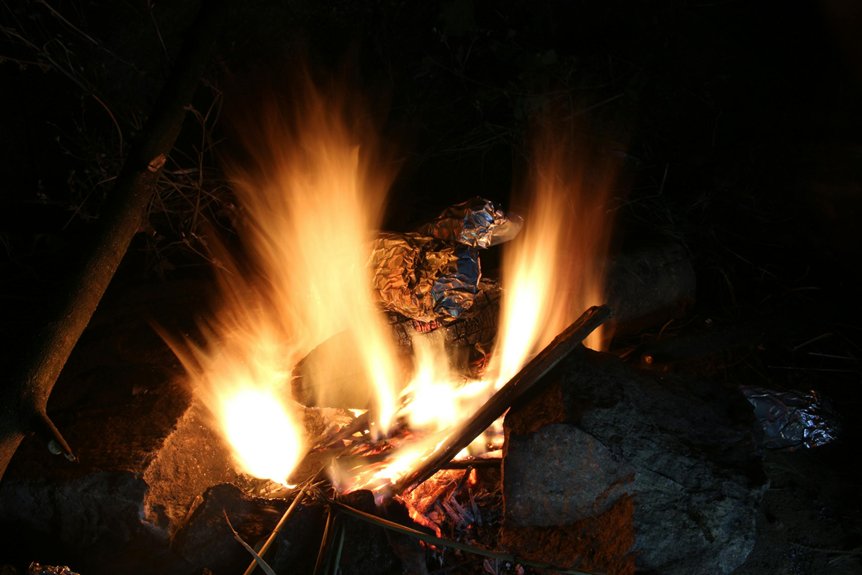
When using a campfire, choose dead and downed wood, and verify you’re following local regulations to prevent wildfires. Consider using biodegradable soaps and toiletries to lessen your footprint.
You can also conserve water by using it sparingly. By making these conscious choices, you’ll help preserve the beauty of the outdoors for future generations to enjoy while fully embracing the spirit of dry camping.
Safety Practices While Dry Camping
As you immerse yourself in the tranquility of dry camping, staying safe in the wilderness becomes a key part of your adventure.
First, always inform someone of your plans and expected return time; this simple step can make a world of difference. Keep a first aid kit handy and familiarize yourself with its contents. Invest in a reliable map or GPS, as cell service can be spotty.
When setting up camp, choose a flat area away from potential hazards like falling branches or flooding. Stay aware of wildlife; store food securely to avoid attracting animals.
Finally, practice fire safety by keeping a safe distance from flammable materials and ensuring your fire is completely extinguished before bed.
Enjoy the peace, but prioritize your safety!