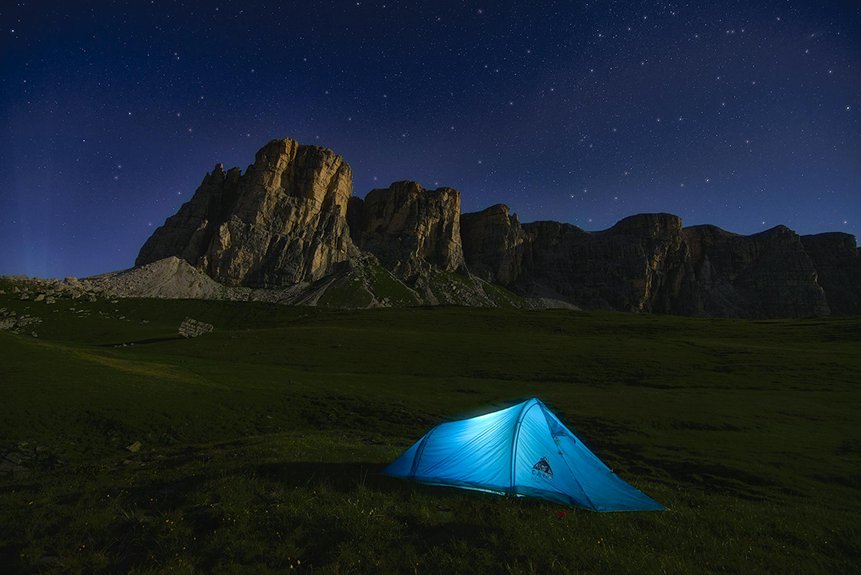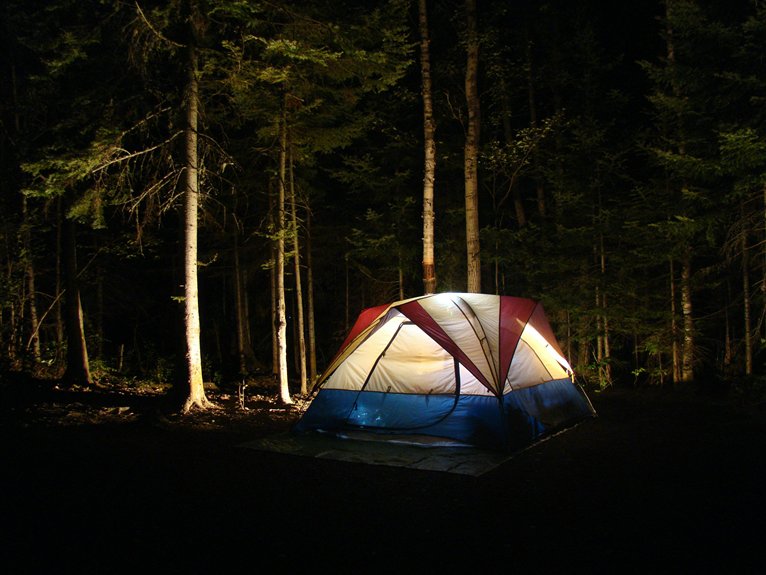
Backcountry camping offers a unique escape into the wild, away from the comforts of developed campgrounds. You’ll navigate unmarked trails, discover hidden lakes, and immerse yourself in nature’s beauty. It’s not just about camping; it’s about self-sufficiency and adventure. But before you pack your gear and head out, there are essential considerations to guarantee a safe and enjoyable experience. What do you need to know to make the most of your backcountry journey?
Understanding Backcountry Camping
When you venture into the world of backcountry camping, you’re stepping away from the comforts of established campgrounds and immersing yourself in nature’s raw beauty.
This kind of camping invites you to explore unmarked trails, pristine lakes, and secluded meadows, offering an adventure that’s uniquely yours.
Unlike traditional camping, backcountry camping often requires self-sufficiency; you’ll need to navigate, find water, and set up camp without the assistance of facilities.
It’s essential to respect the environment, practicing Leave No Trace principles to minimize your impact.
Be prepared for changing weather conditions and challenges that arise from isolation.
Embrace the thrill of solitude and the opportunity to connect deeply with the wilderness, making each moment a memorable part of your journey.
Essential Gear for Backcountry Adventures
To secure a successful backcountry camping experience, you’ll want to pack gear that not only meets your needs but also enhances your adventure.
Start with a durable backpack, ideally with adjustable straps for comfort. A lightweight tent will keep you dry while minimizing bulk. Don’t forget a sleeping bag rated for the season to guarantee warmth during chilly nights.
A reliable stove and compact cookware will make meal prep a breeze, while a water filtration system ensures access to safe drinking water.
Essential tools like a multi-tool and a first aid kit are vital for handling unexpected situations.
Finally, pack a map and compass or a GPS device to navigate those uncharted trails.
Stay prepared, and you’ll embrace the wild like never before!
Planning Your Backcountry Trip
Before venturing into the backcountry, it’s essential to carefully plan your trip to secure a safe and enjoyable experience. Start by choosing your destination and researching the terrain, weather, and local wildlife. Knowing the area helps you pack the right gear and avoid unexpected surprises.
Create a detailed itinerary, including your route and campsite locations, and share it with someone you trust.
Next, consider your food and water needs. Planning meals ahead of time saves weight and guarantees you have enough sustenance. Don’t forget to check for any permits required for camping.
Finally, familiarize yourself with the Leave No Trace principles to minimize your impact on the environment. With thoughtful planning, you’re set for an unforgettable backcountry adventure!
Safety Tips for Backcountry Campers
Even with meticulous planning, safety should always be top of mind for any backcountry camper.
First, familiarize yourself with the area’s terrain and weather conditions; unexpected changes can lead to dangerous situations. Always carry a detailed map and a compass, even if you have a GPS device.
Make sure someone knows your itinerary and expected return time. Pack a well-stocked first aid kit and know basic first aid skills; they could save a life.
Stay hydrated and bring enough food to keep your energy up. When traversing trails, watch your step to avoid slips or falls.
Finally, trust your instincts—if something feels off, don’t hesitate to change your plans. Adventure awaits, but safety is your first priority!
The Environmental Impact of Backcountry Camping
While exploring the great outdoors, it’s essential to recognize that your backcountry camping adventures can greatly impact the environment.
Every step you take can disturb delicate ecosystems, trample vegetation, and contribute to soil erosion. You mightn’t realize it, but even your choice of campsite can affect wildlife habitats.
To minimize your impact, always camp at least 200 feet away from lakes and streams, and stick to established trails.
Leave no trace—pack out everything you bring in, including food scraps. Be mindful of your fire; it can scar the landscape and harm local critters.
By practicing sustainable camping, you preserve the beauty of these wild places for future adventurers.